
SaveBricks
SaveBricks
Start with the project in front of you. Each guide explains the planning range, the scope behind it, and the questions that make contractor quotes easier to compare.
53 guides across 5 project areas.

Water at the sill, the head, or the lower corners points to different failures. Here's how to tell clogged weeps from failed caulk from missing flashing before you buy a tube of anything.

A double-hung sash that slides down on its own almost always means a failed balance, a part Andersen lists from about $21. Here's how to tell which balance system you have, what the fix costs, and when the window itself is the problem.
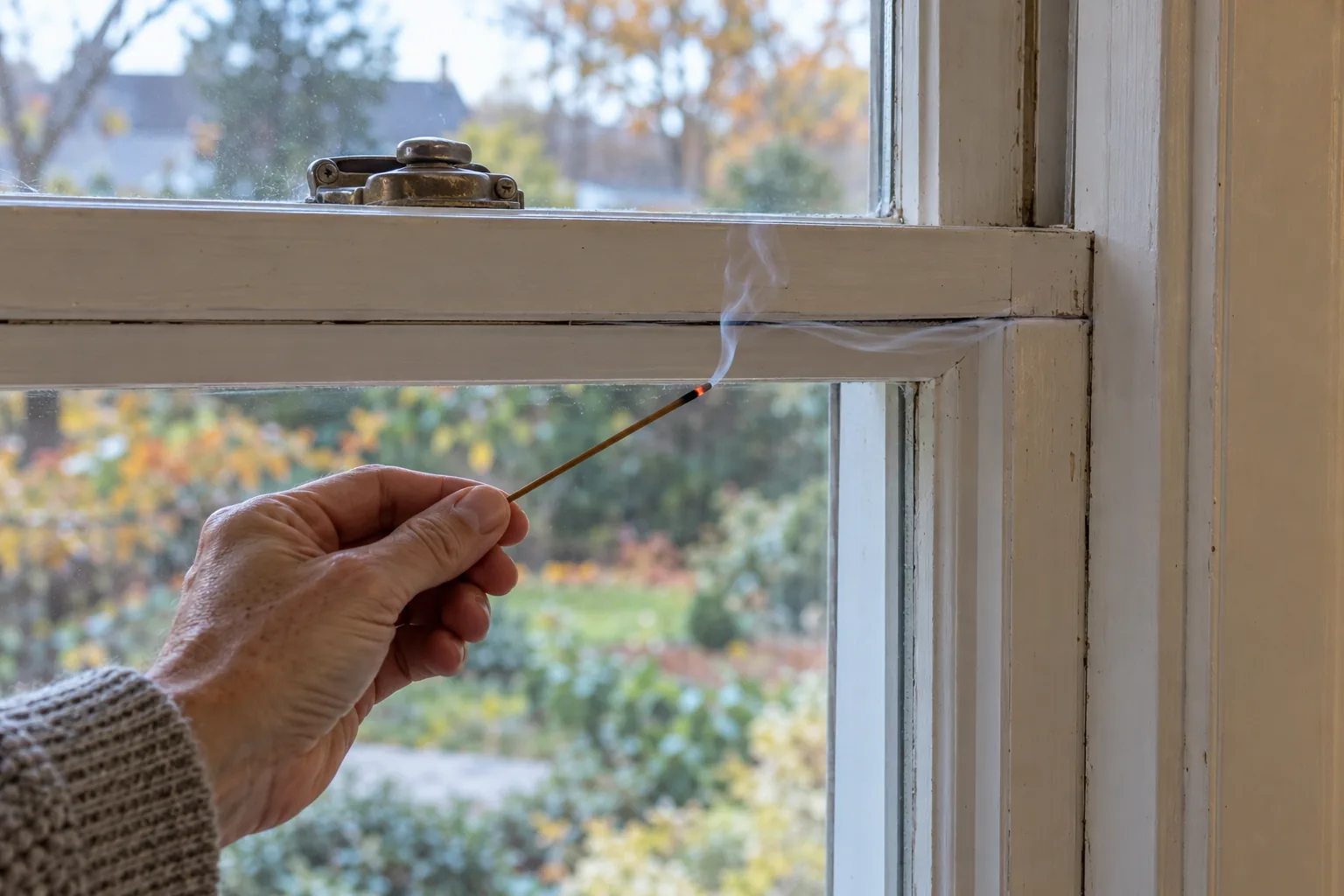
A drafty window usually leaks through one of three paths, and the fix for each runs from a $5 strip to a new unit. Here's how to tell them apart with a sheet of paper and an incense stick, and when replacement actually pays.
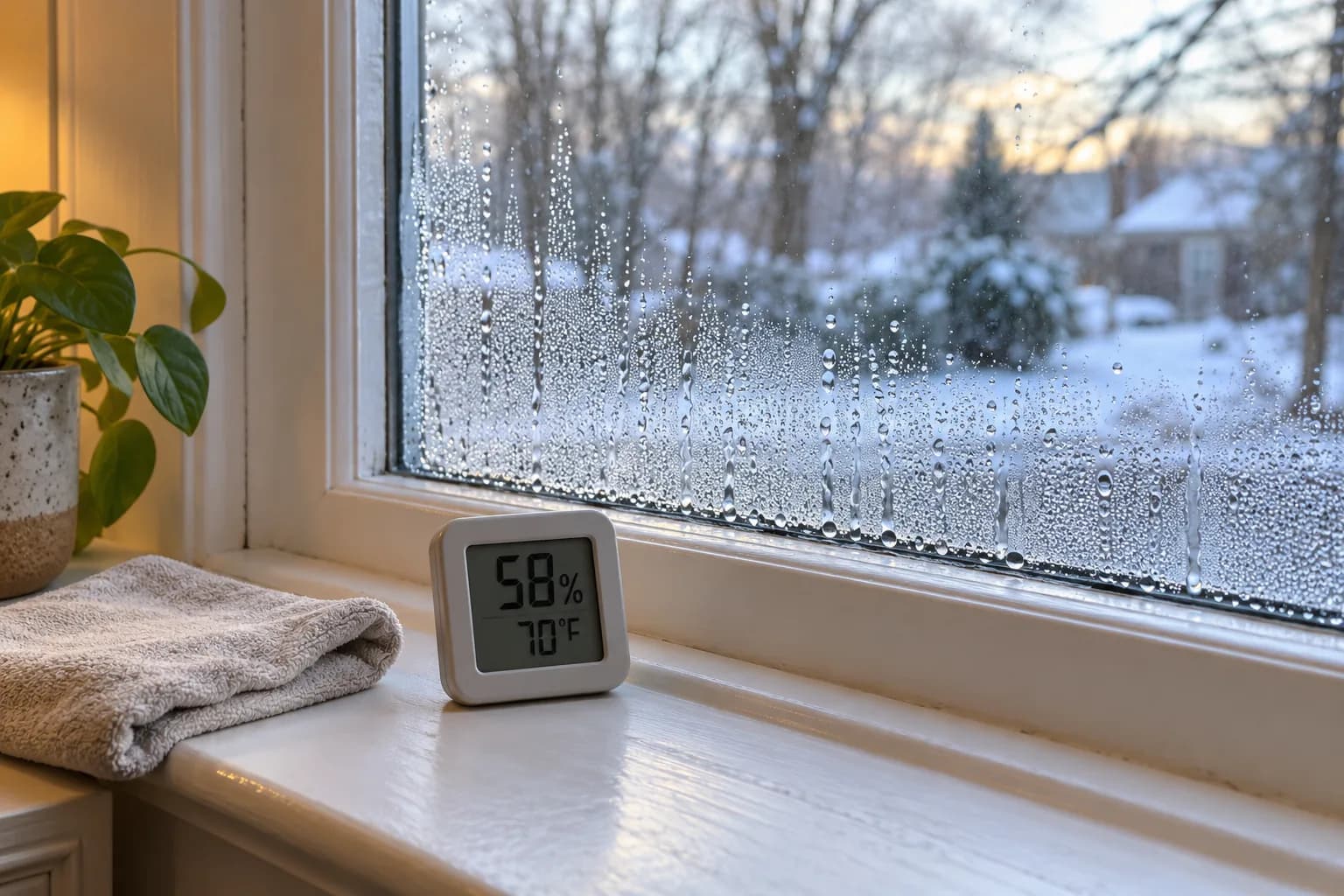
Water on the room side of the glass is usually a humidity number, not a window defect. Here's the ceiling for each outdoor temperature, where the moisture comes from, and when the window really is the problem.
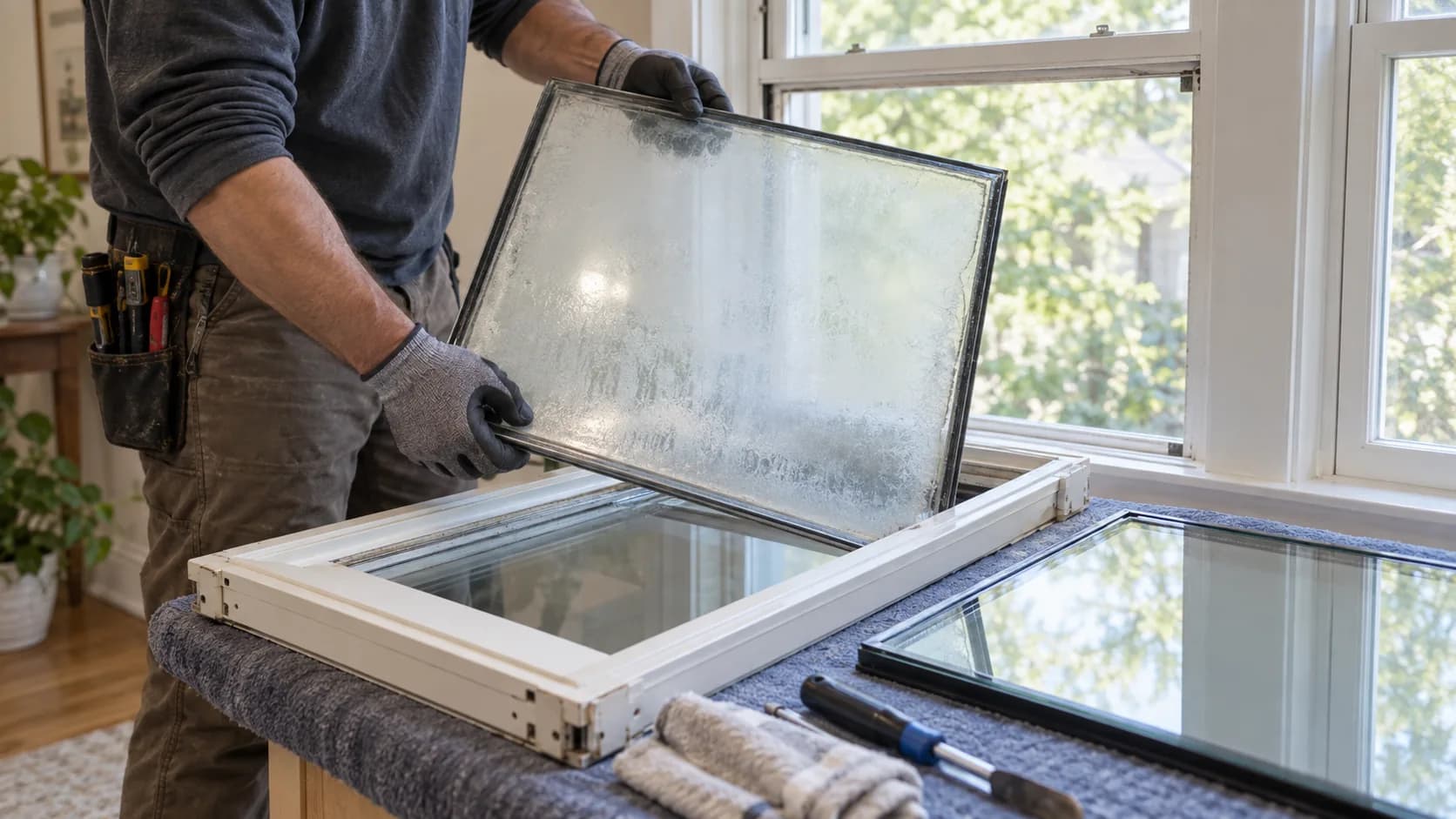
Haze between two panes of glass means the sealed unit is breathing outdoor air. Here's how to tell it apart from ordinary condensation, what the warranty probably owes you, and when glass-only beats a new window.

A complete window quote itemizes eight things; most homeowners get three. Here's what belongs on the page and where a bare per-window price hides code work.
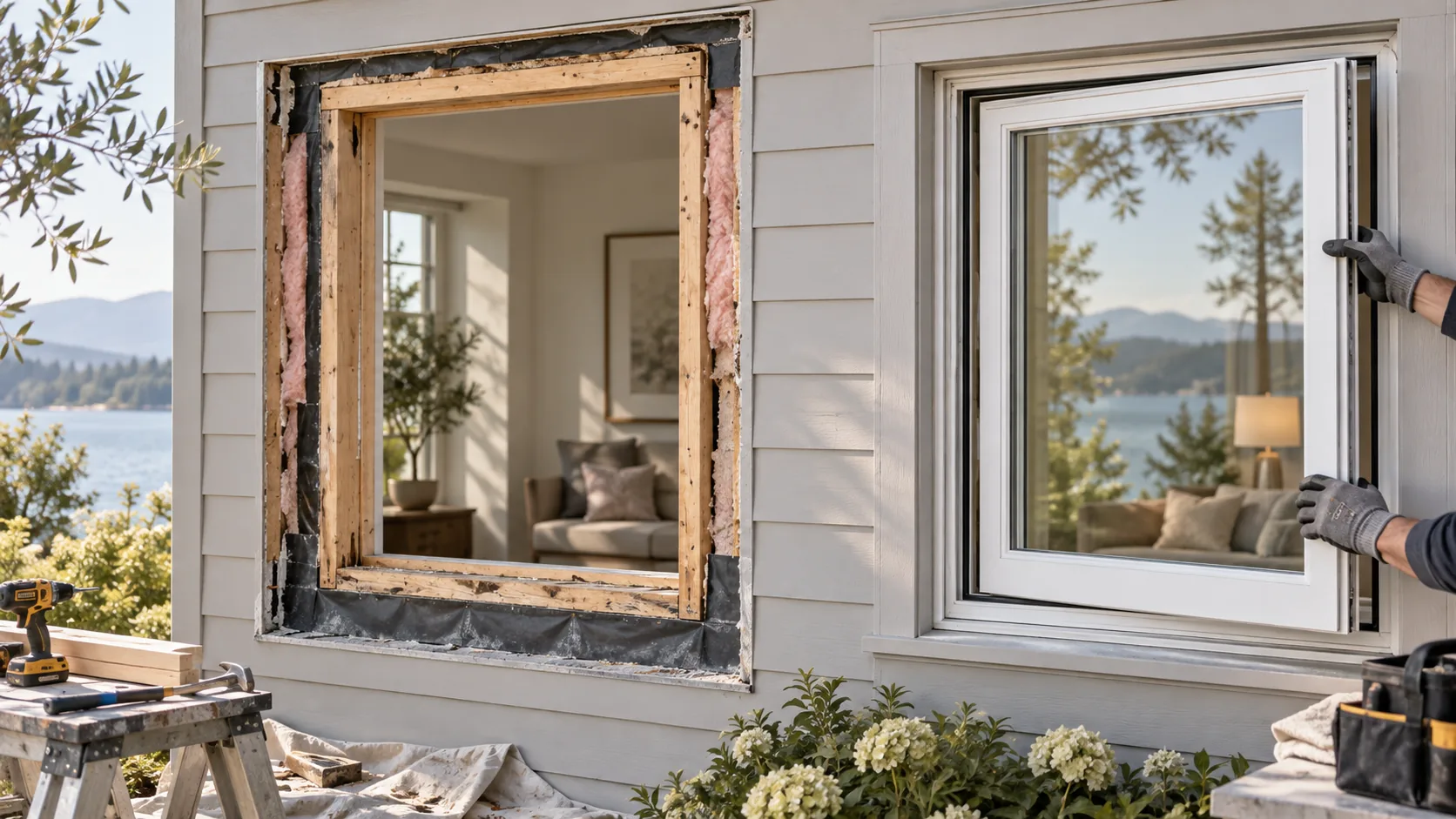
Compare full-frame and pocket window replacement costs, hidden labor differences, energy performance factors, and questions to ask before hiring an installer.
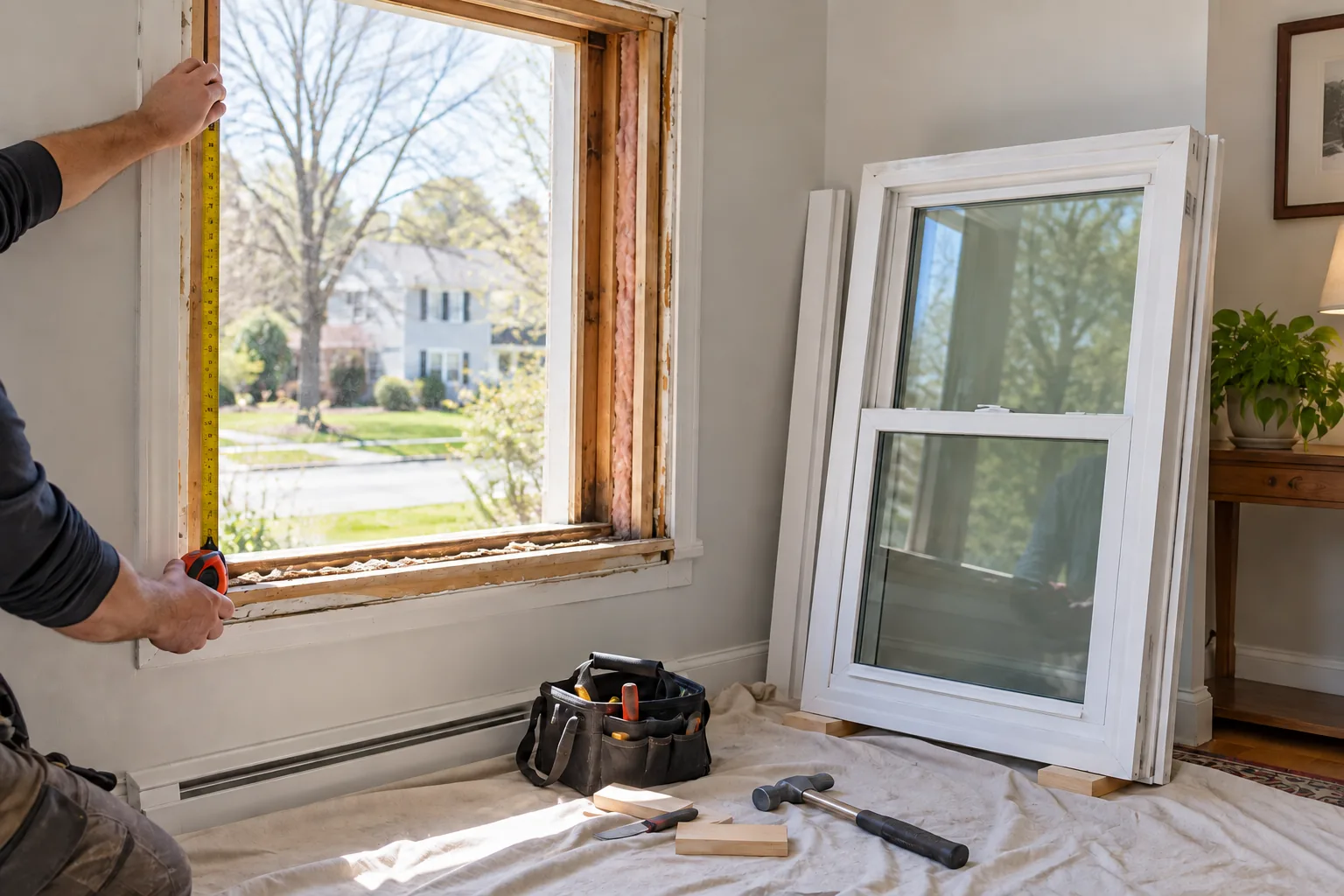
How much does window replacement really cost in 2026? We break down average prices by material, size, and installation type so you can build a realistic budget.
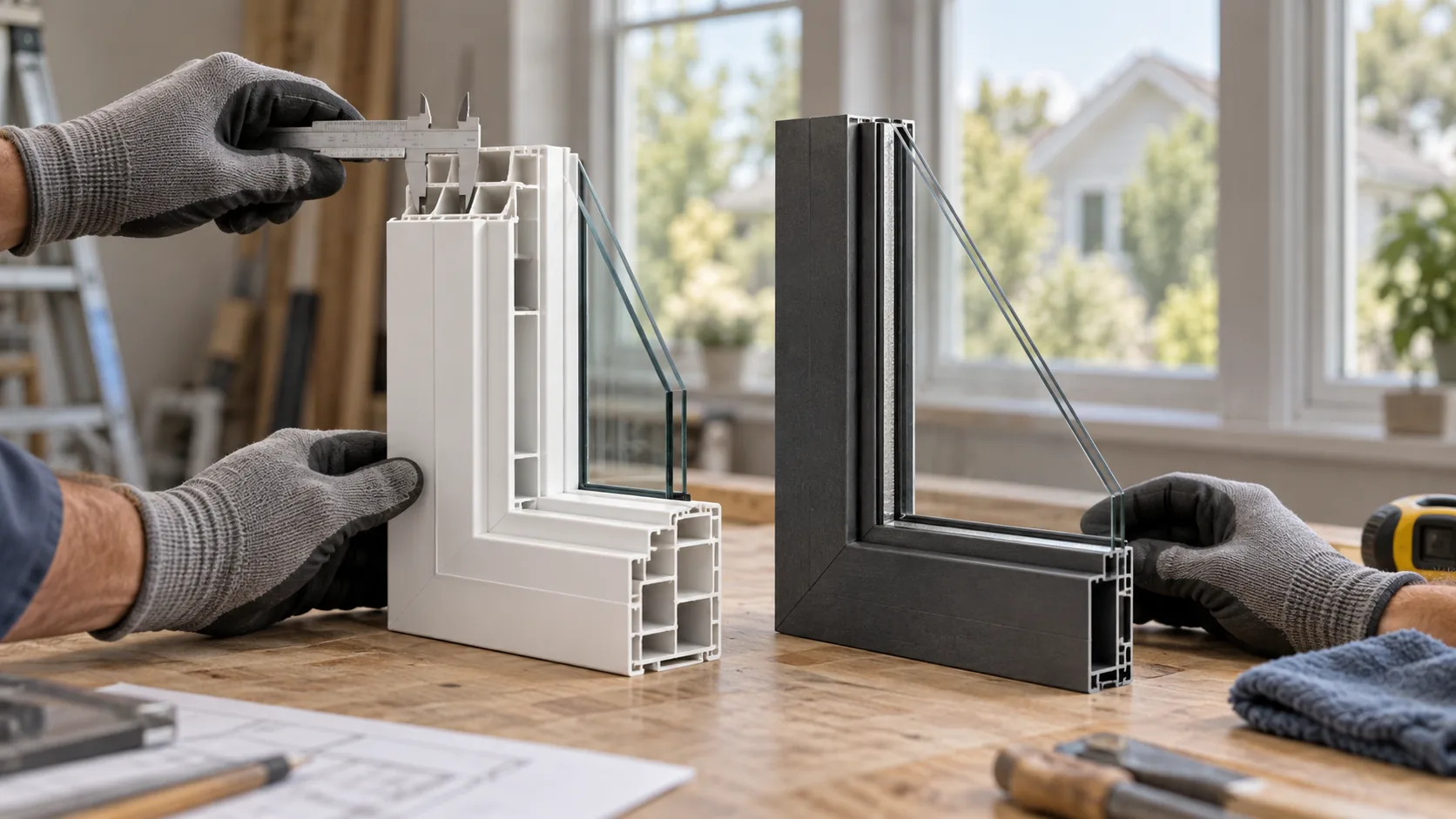
Compare vinyl and fiberglass window quotes by frame construction, NFRC ratings, installation scope, finish options, warranty, and installed price.

A 90%-plus furnace makes water on purpose; an 80% furnace shouldn't make any. Here's how to read the leak by furnace type, and which fixes cost $0 versus $3,000.
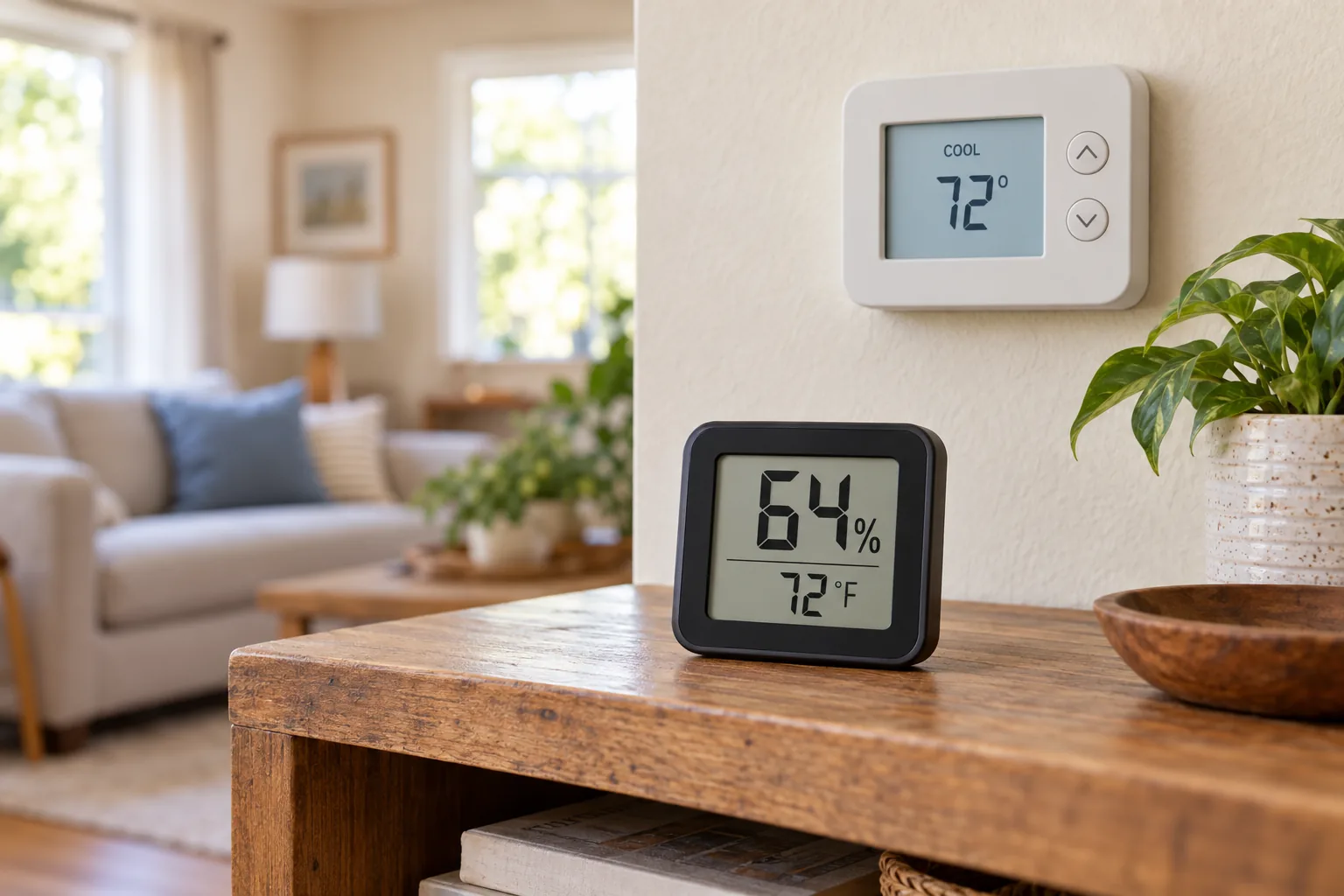
A cool, clammy house usually points to the fan setting, an oversized AC, or air leaking in. Here's how to tell which one you have and what each fix really costs.
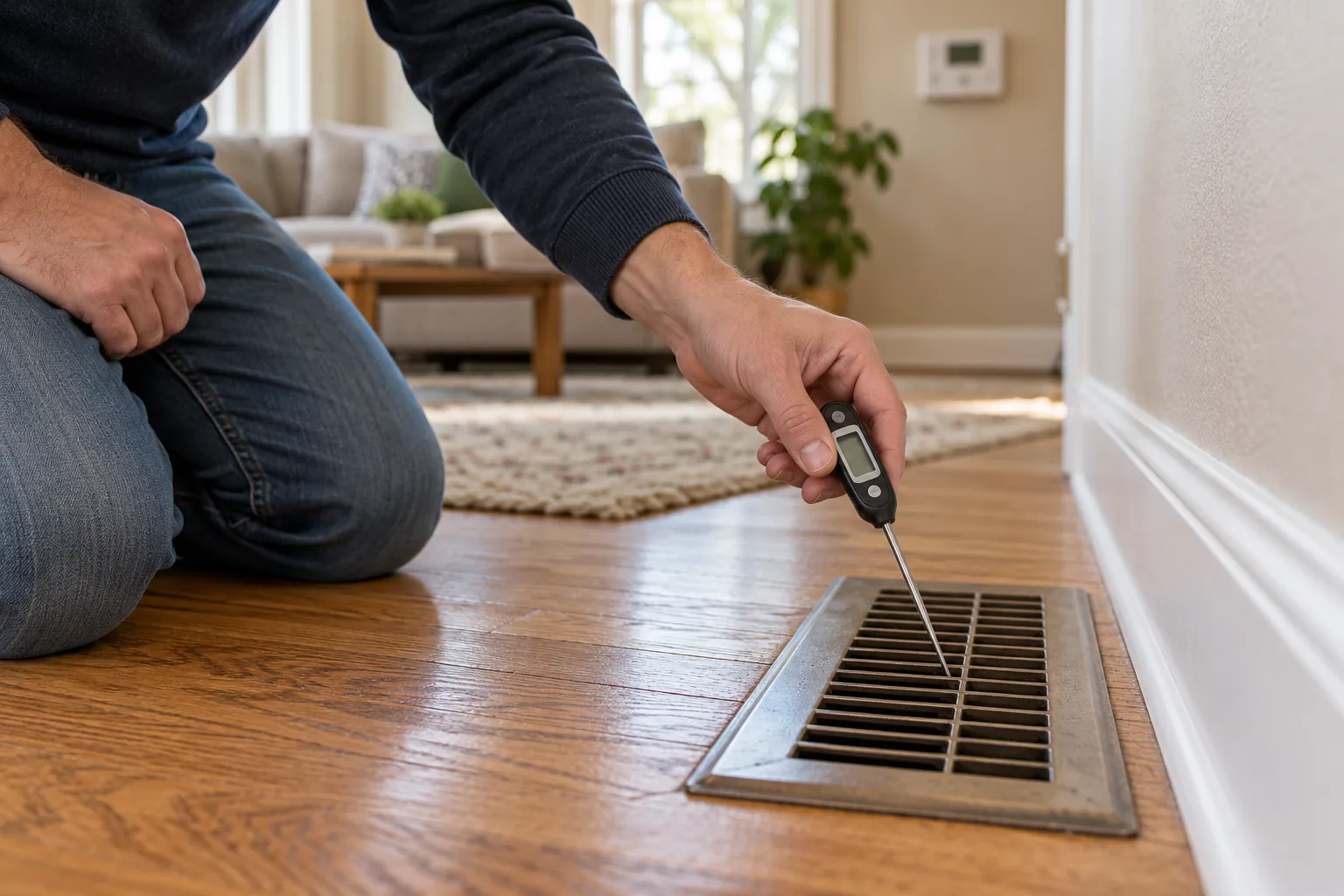
A working gas furnace heats the air 40 to 70 degrees on many models. A kitchen thermometer tells you whether yours is heating at all, heating then quitting, or losing heat in the ducts.
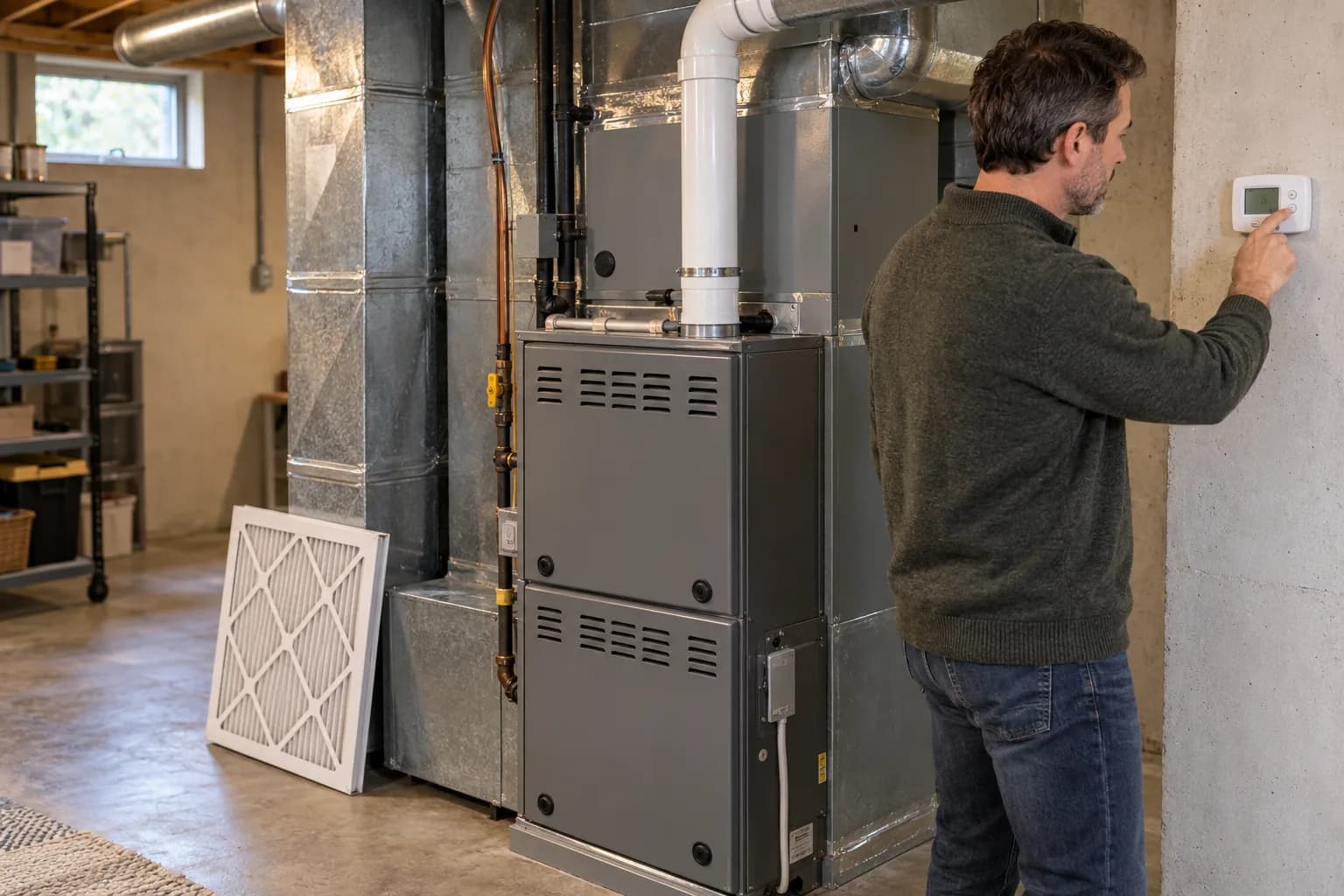
Burning dust on the first cold night is normal and fades within a few hours. Hot plastic, hot wiring, or rotten eggs isn't. Here's how to tell them apart and what each repair costs.
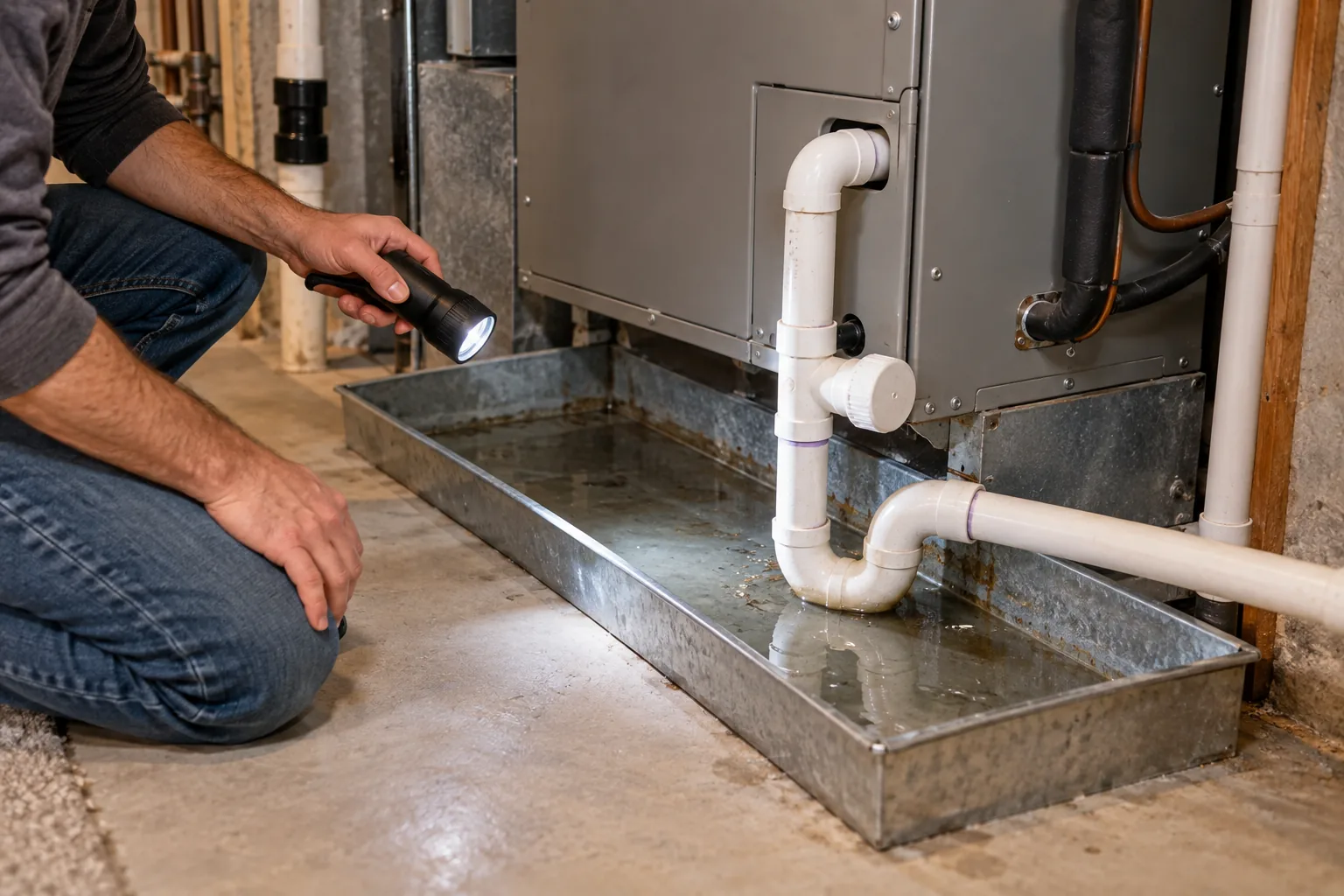
Most indoor AC leaks come from a clogged condensate drain, not a broken system. Here's how to tell a drain clog from a cracked pan or an iced coil, and what each costs.
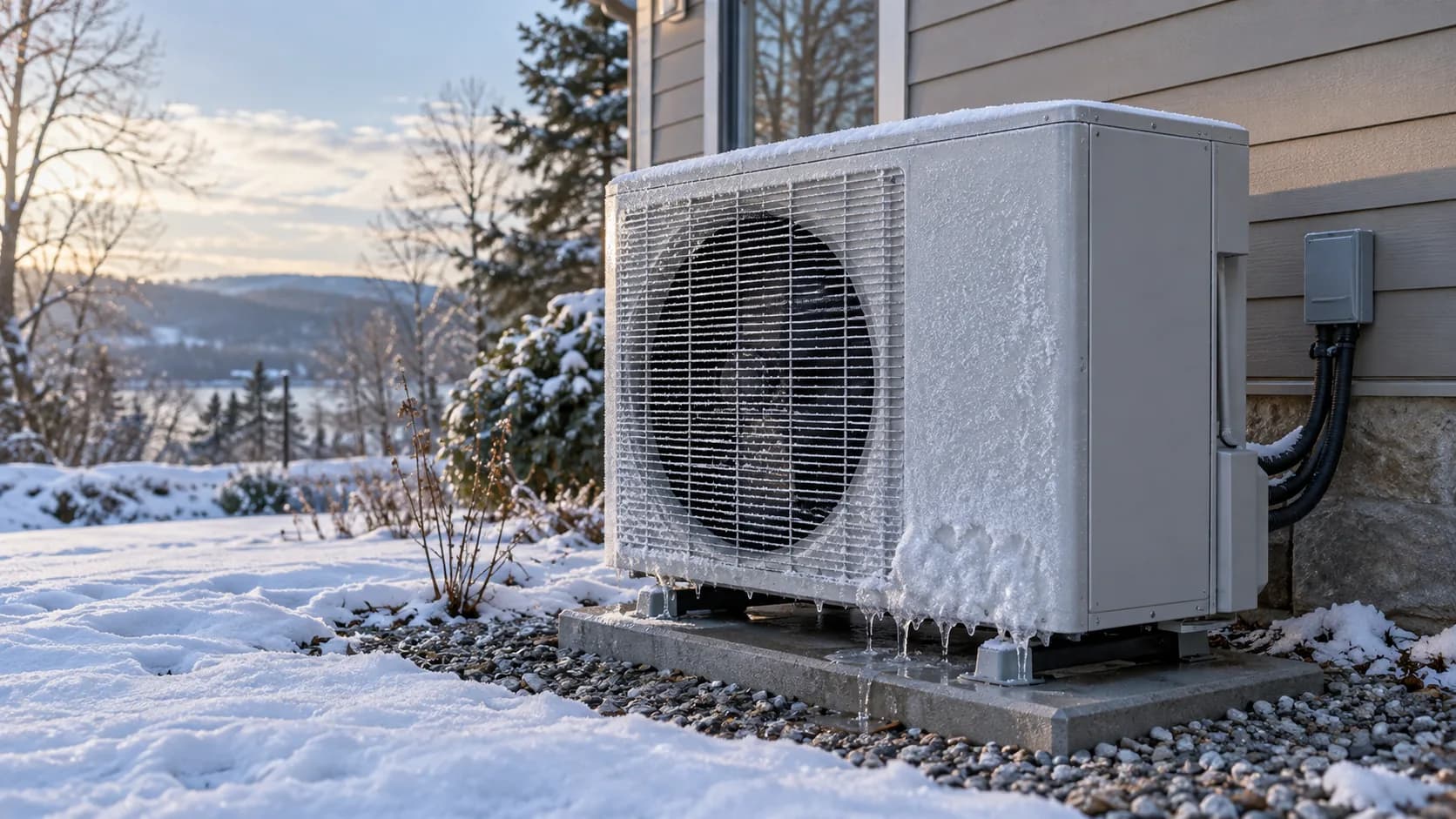
A thin layer of frost on a heat pump in winter is the defrost cycle waiting to run. Ice that survives a defrost is a failed part. Here's how to tell the two apart.
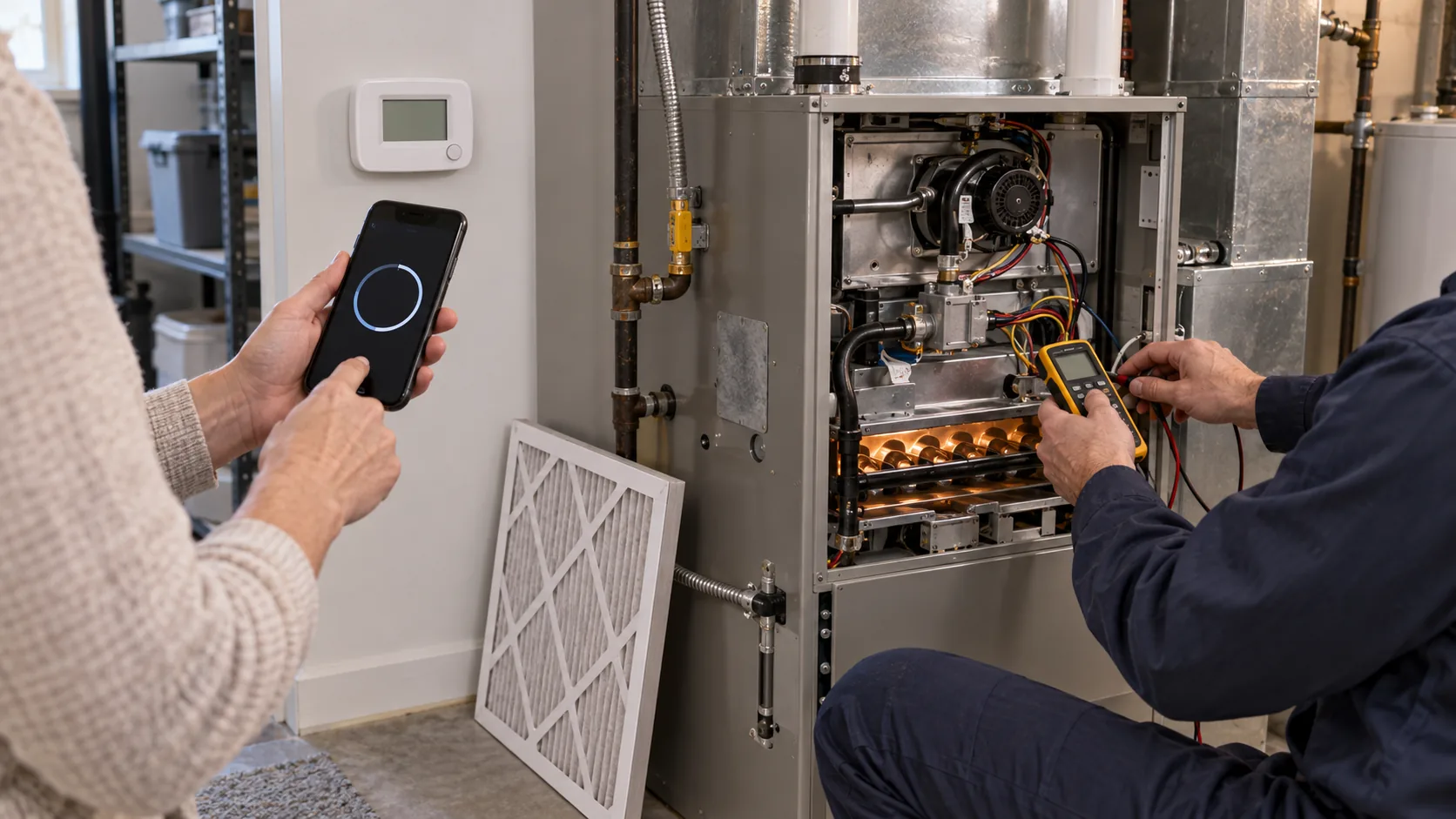
How long your furnace runs before it quits points to the failed part. Here's how to read the timing, what each fix costs, and when the answer is the furnace itself.
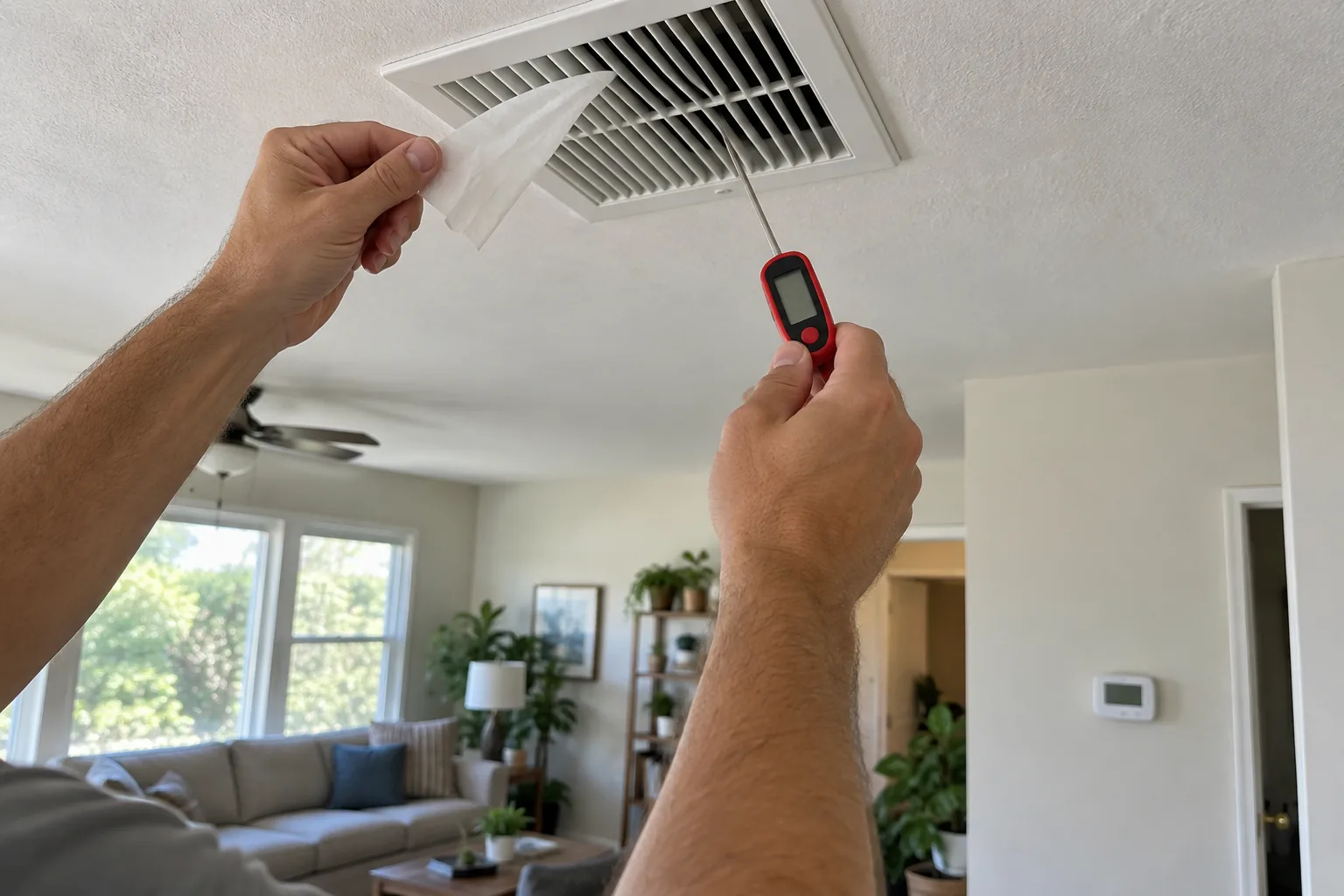
Warm air from the vents has one of seven causes, and the most common ones are also the cheapest to fix. Here's how to tell which one you have before a technician tells you.
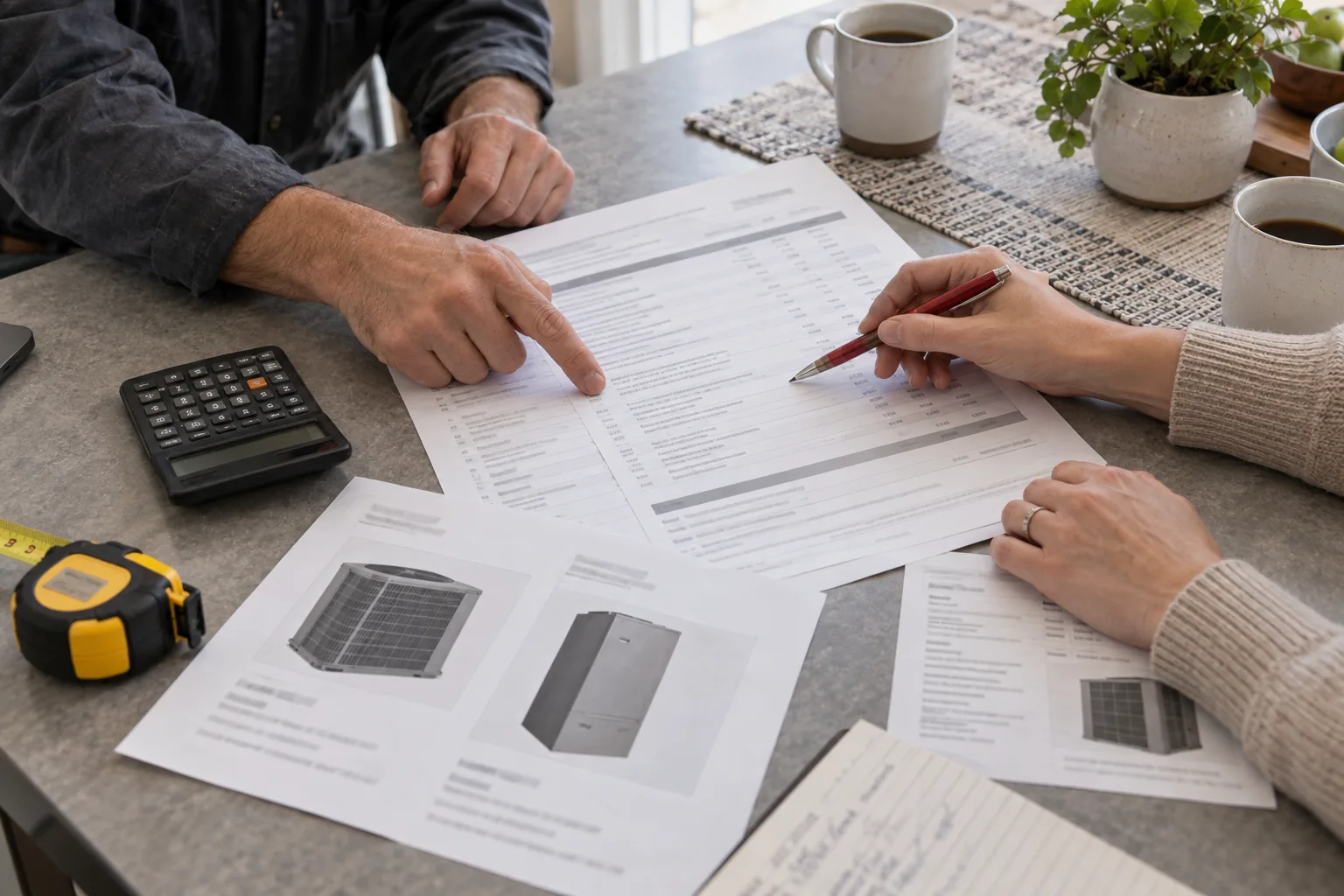
A real HVAC bid itemizes nine things; most homeowners get four. Here's what belongs on the page, what's negotiable, and where a bare number hides a mismatched system.
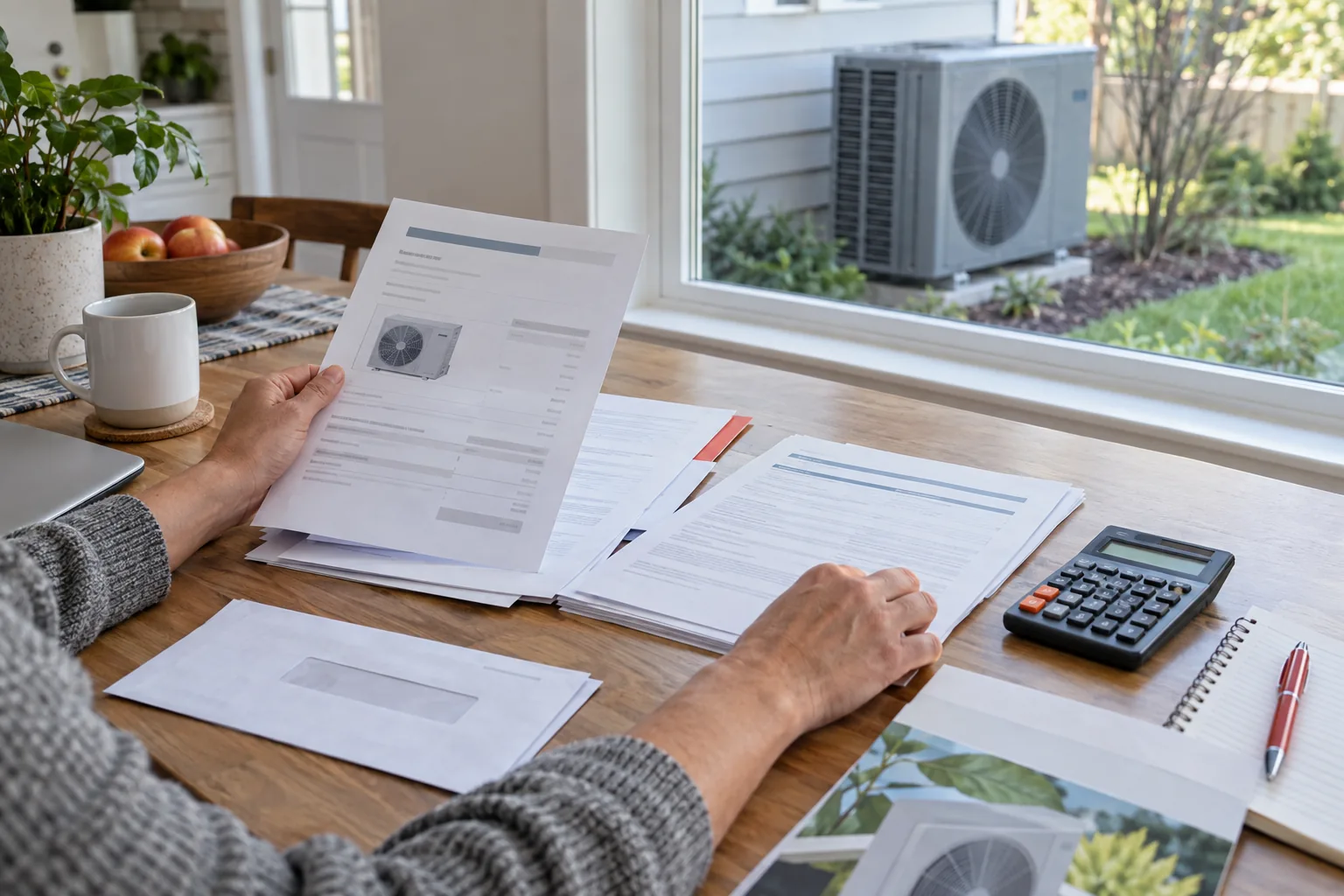
The federal 25C heat-pump credit ended for 2026 installations. Use this workflow to verify current state and utility rebates before putting them into a project budget.
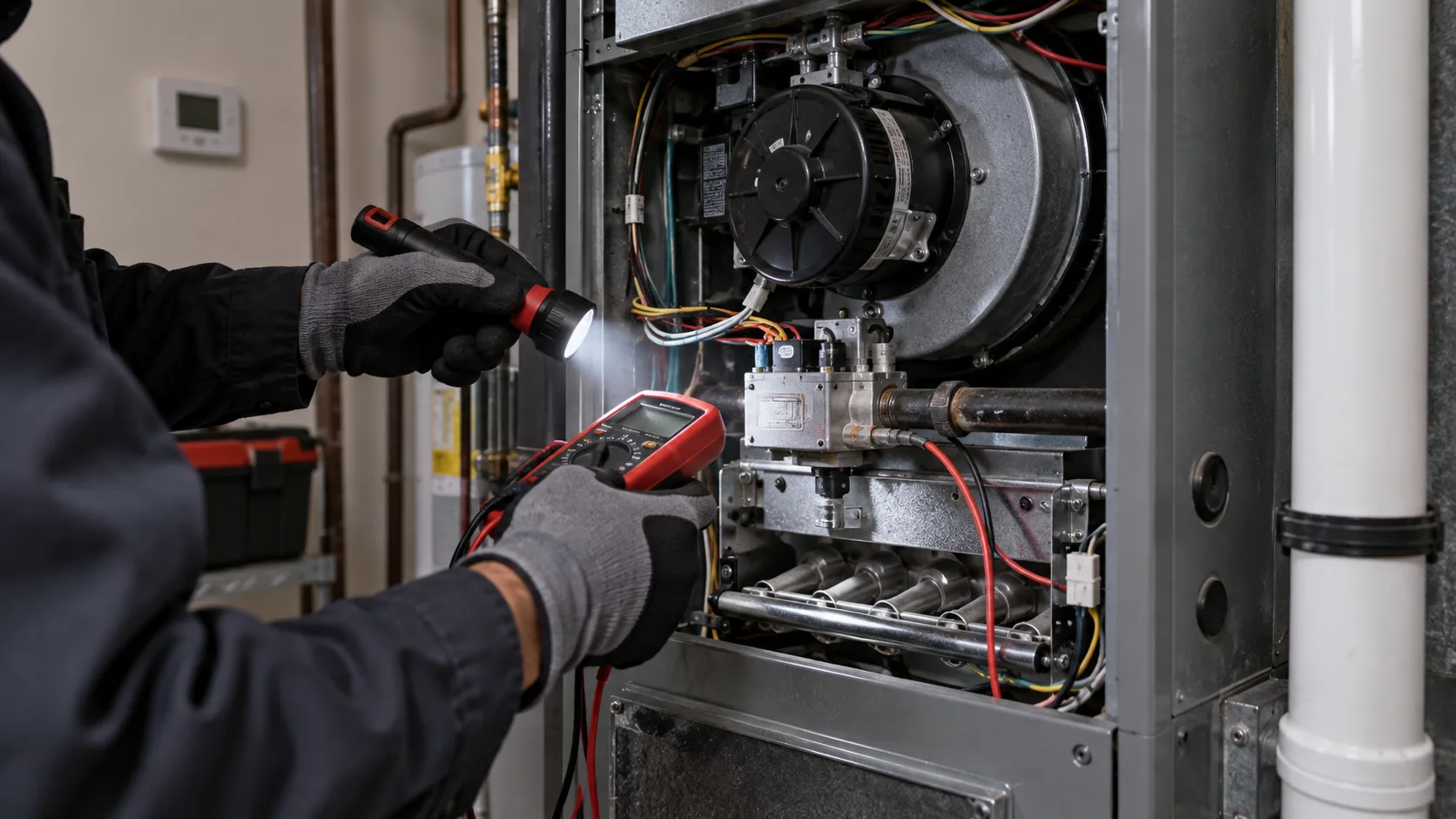
A safety-first HVAC triage guide for smoke, gas odors, electrical faults, grinding equipment, frozen coils, water leaks, and ordinary comfort problems.
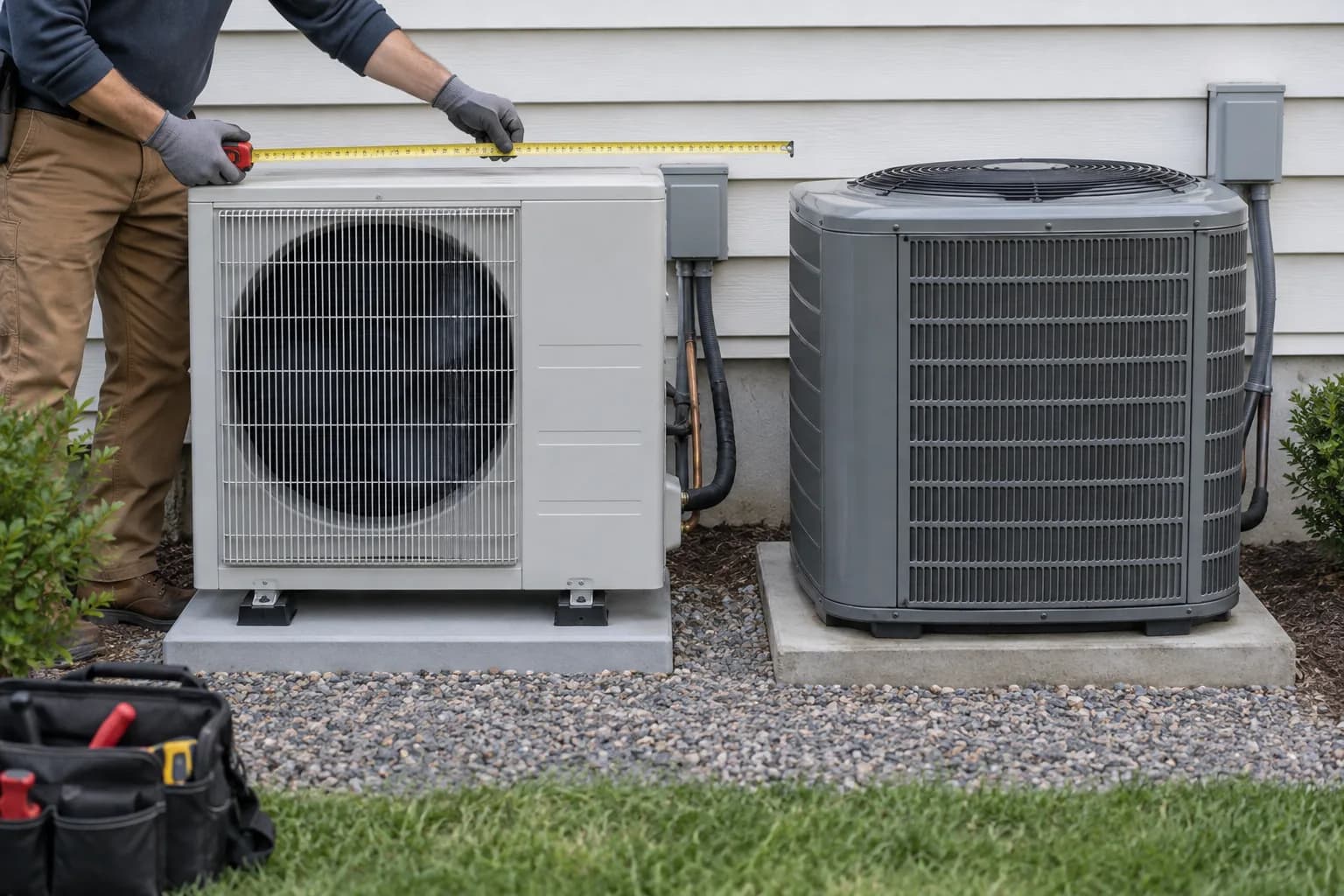
Heat pumps are becoming the standard for modern climate control. Compare the upfront costs and long-term savings of a Heat Pump versus traditional Central Air.
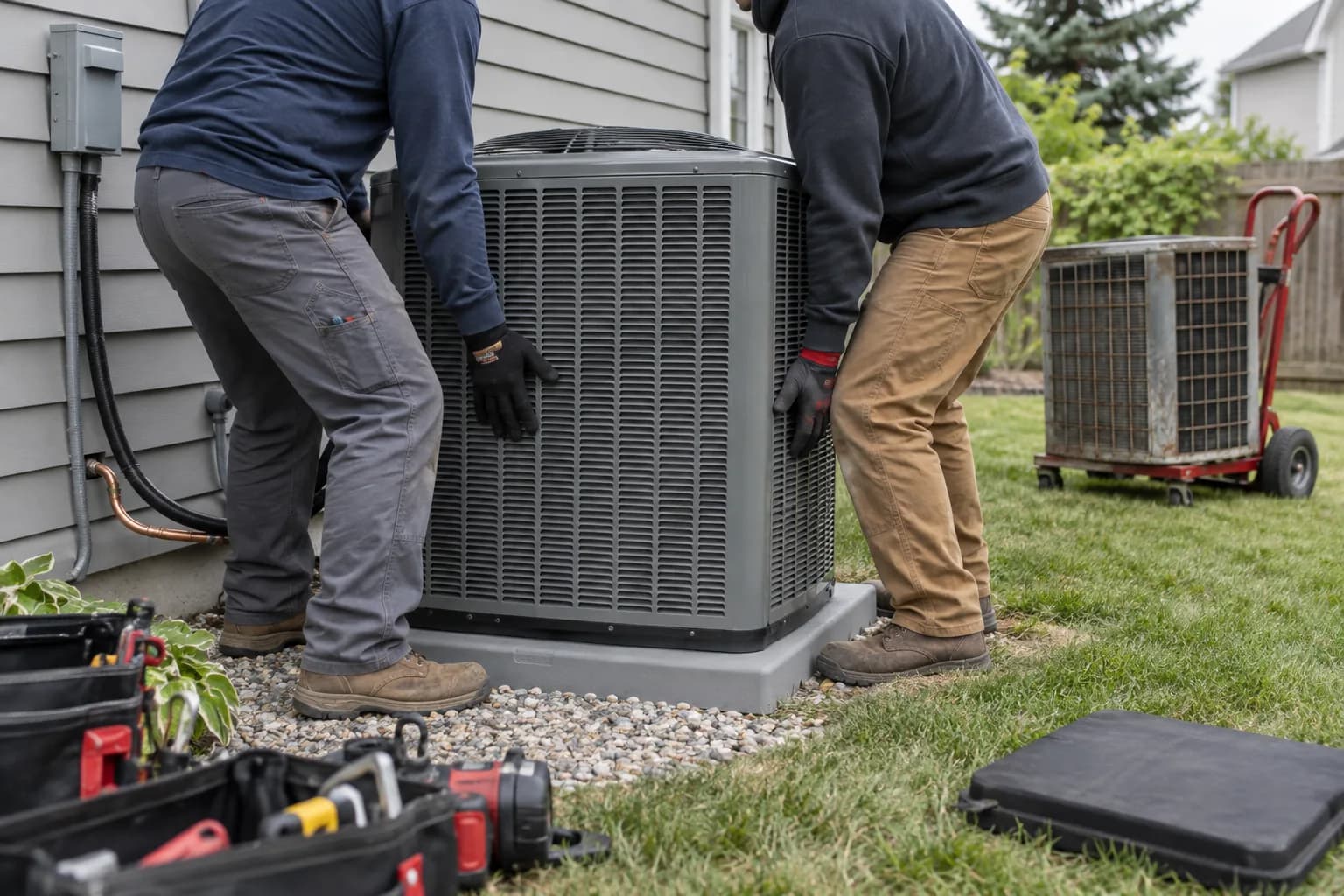
Rising equipment costs and new refrigerants are reshaping the HVAC market. Here is a practical budget range for a new AC system this year.
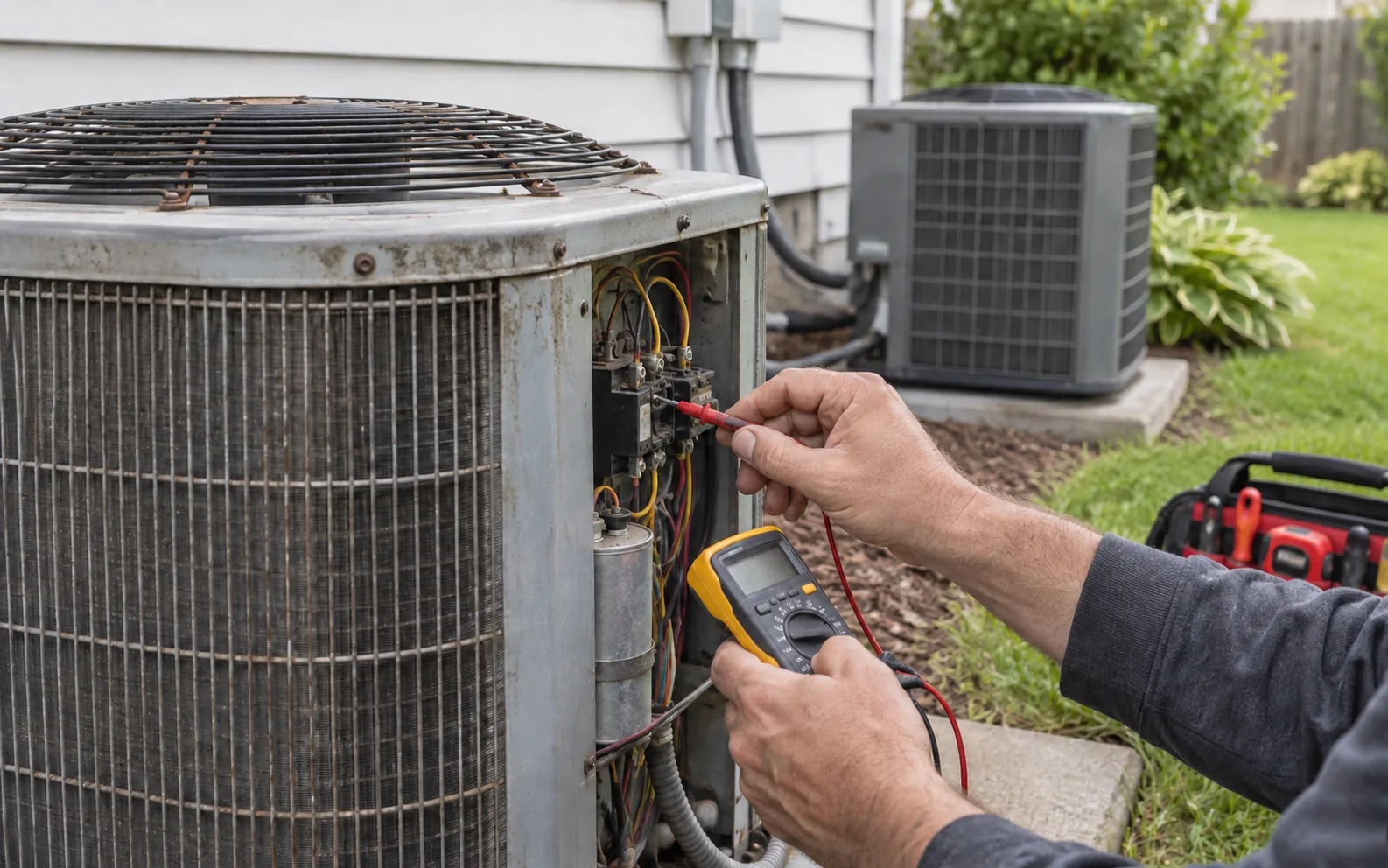
Use equipment age, diagnosis, warranty, repair scope, and replacement bids to decide whether an air-conditioner repair is still worth making.
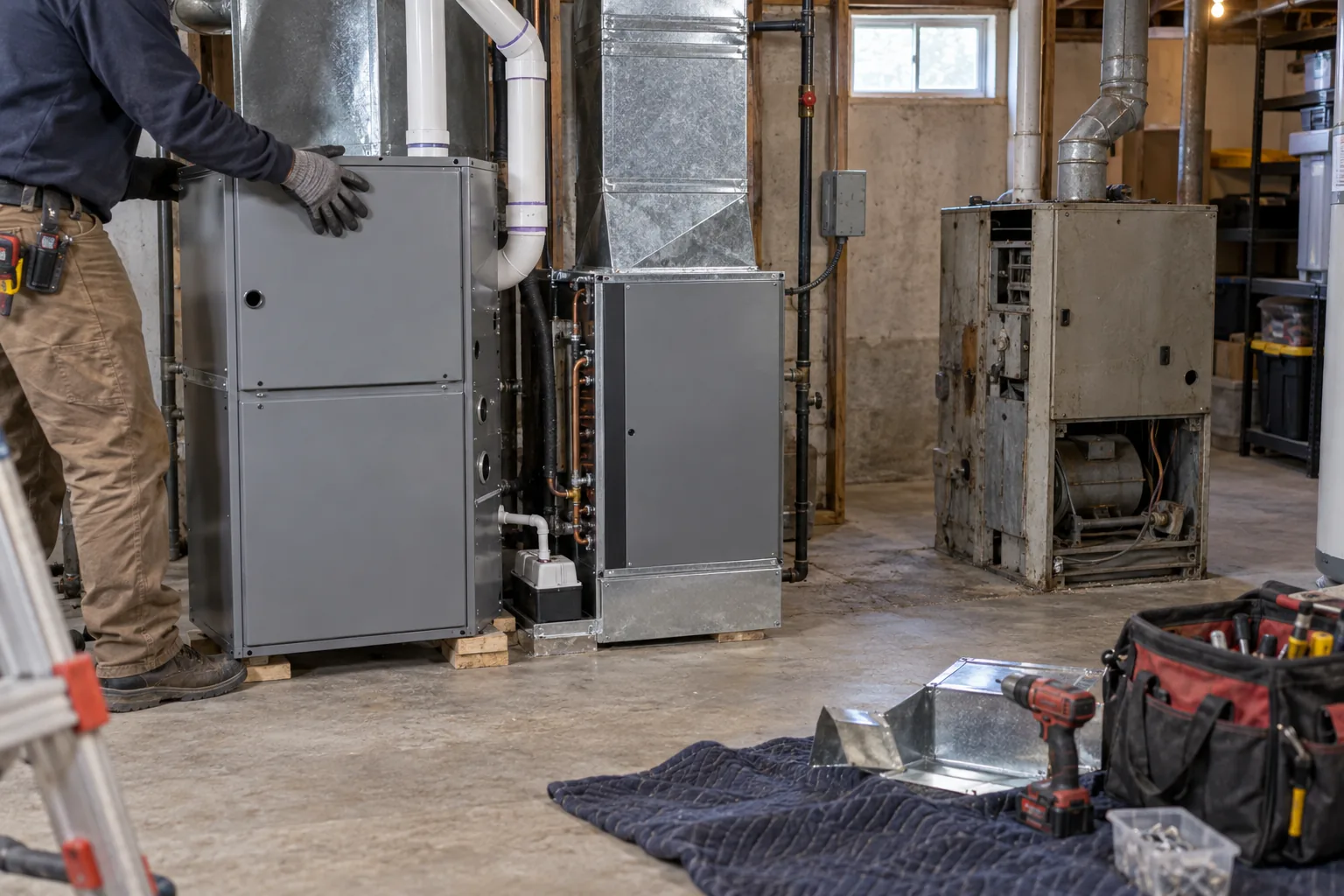
What a combined heating and cooling replacement costs, which line items belong in the bid, and how sizing, ductwork, and efficiency move the total.

Dark streaks running down asphalt shingles are almost always algae, not damage. Here's how to tell it from moss, who may pay to clean it, and why it's never a reason to re-roof.
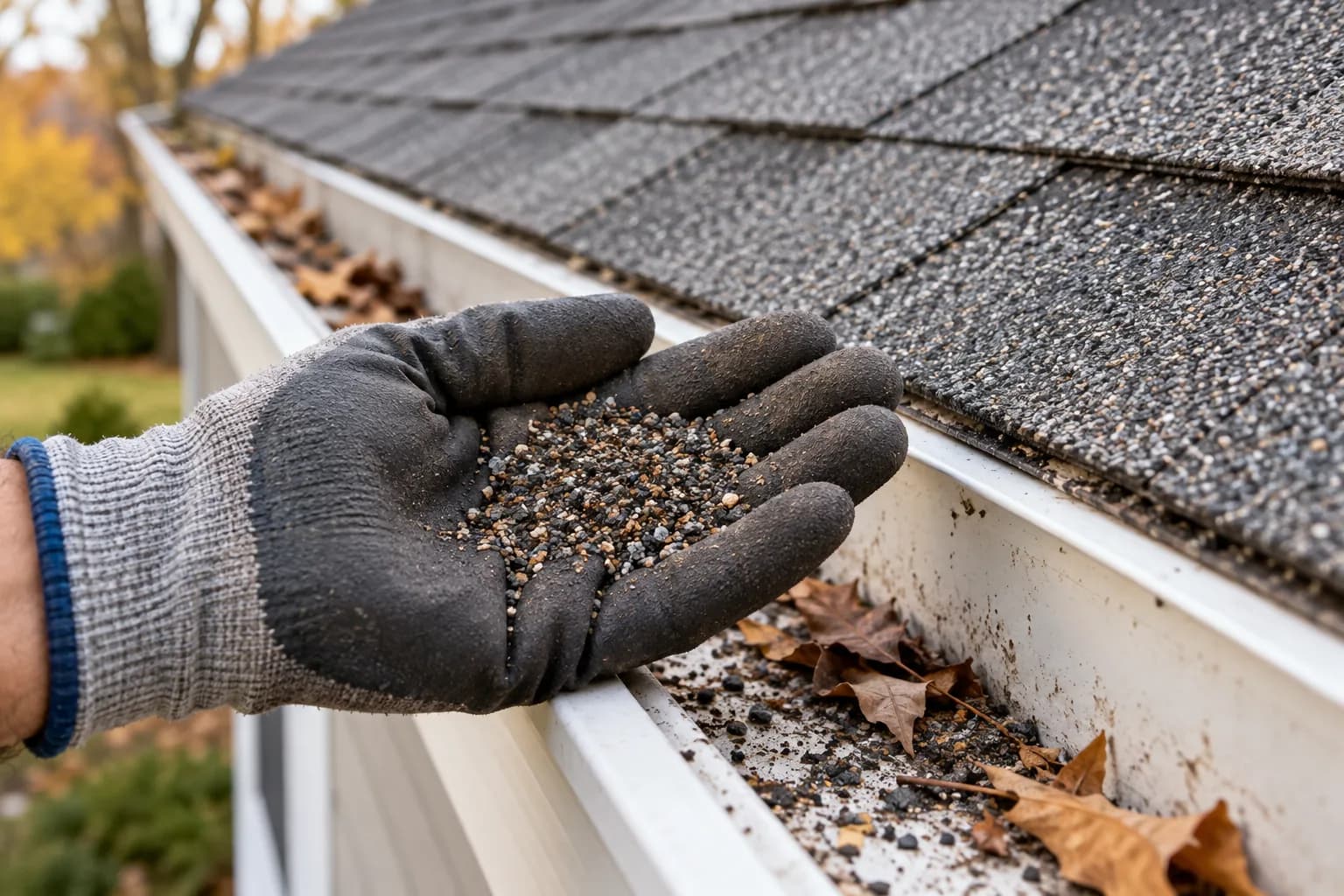
Grit at the downspout is normal on a new roof and a warning on a storm-hit one. Here's how to tell which, what an inspection costs, and who pays for the fix.
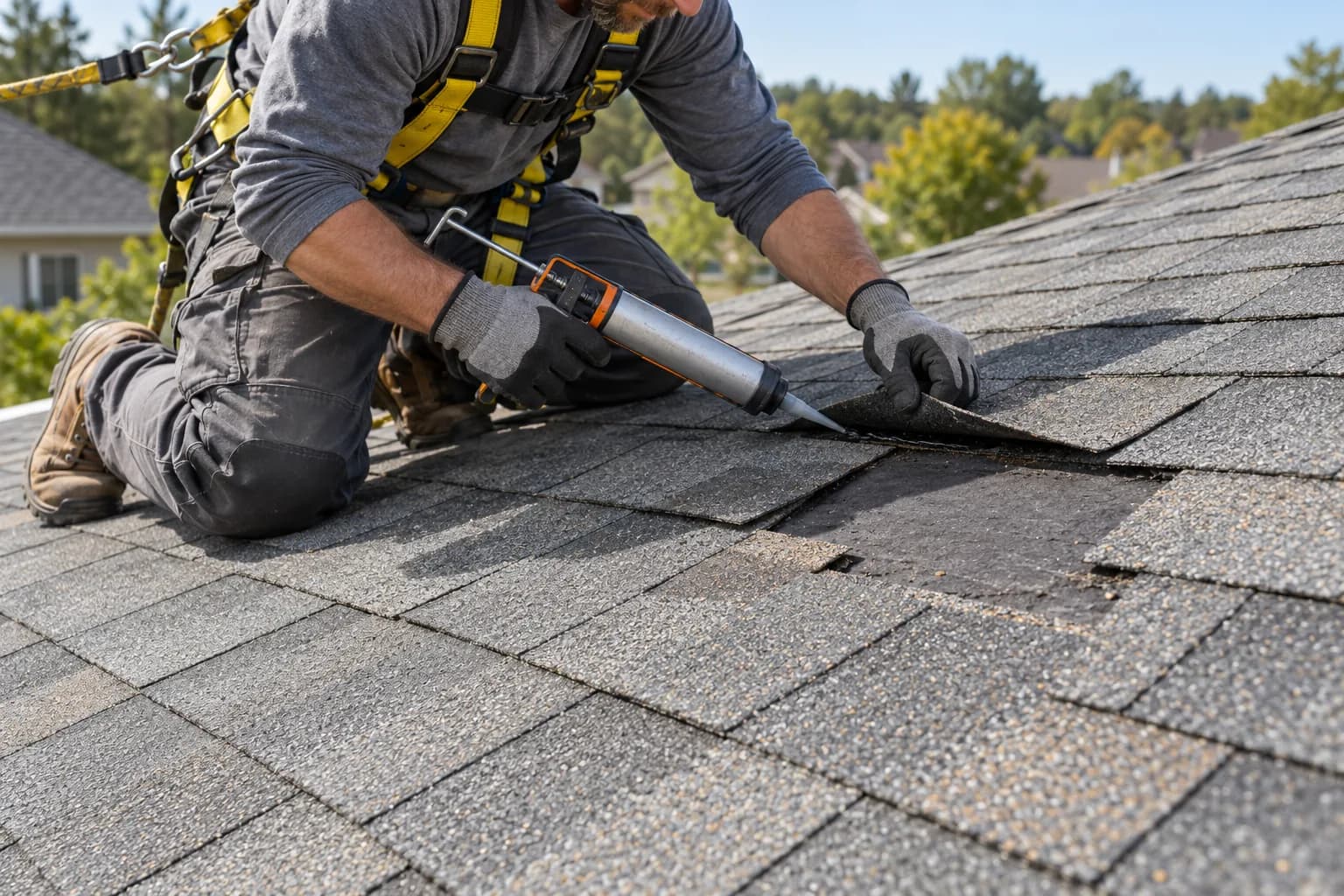
The shingle on your lawn is the cheap part of wind damage. The broken sealant bonds still on the roof decide whether you need a patch, a slope, or a new roof.
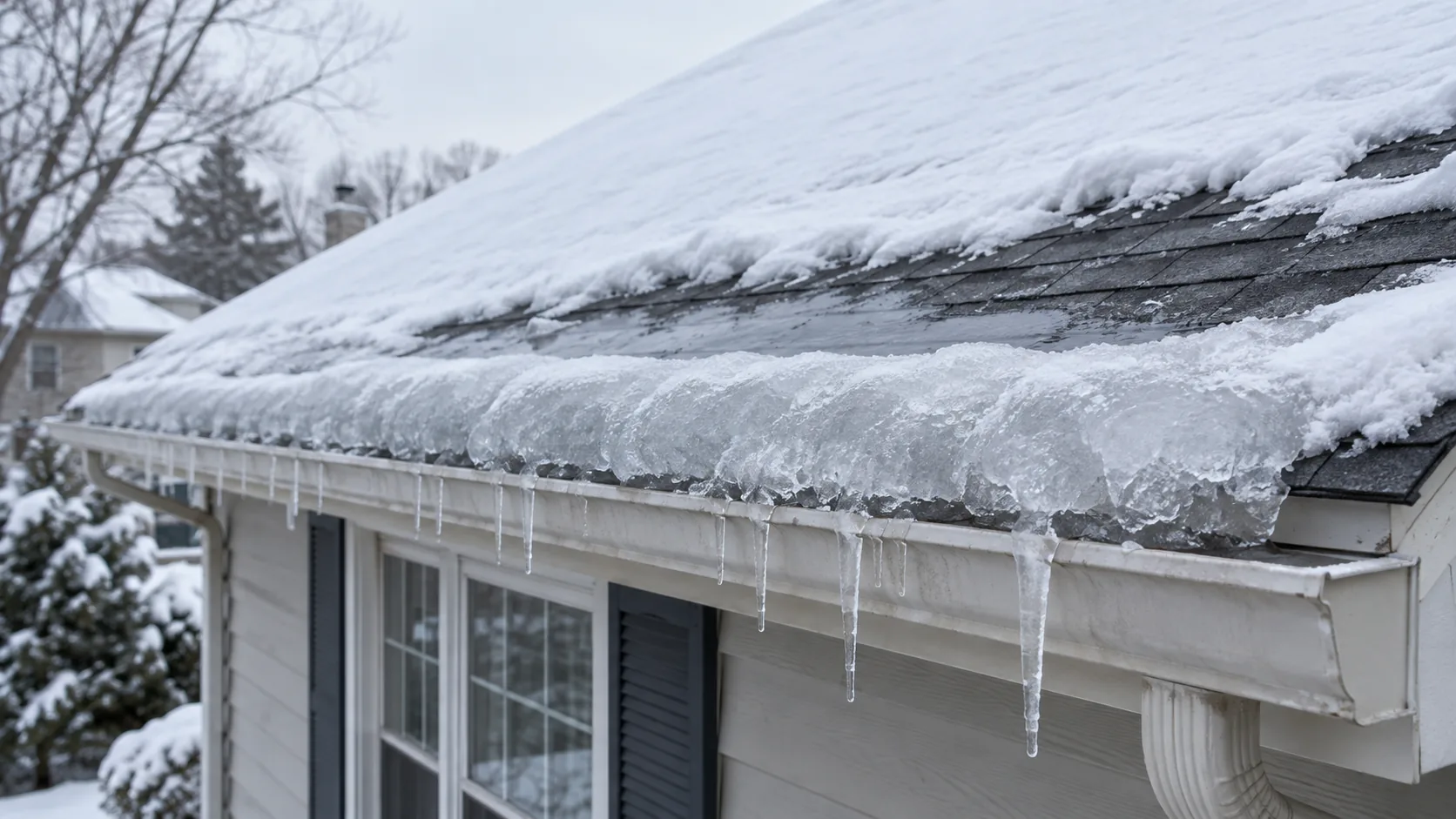
An ice dam is an attic heat problem showing up at the gutter line. Here's what removal costs this winter, and the fix that keeps it from coming back.
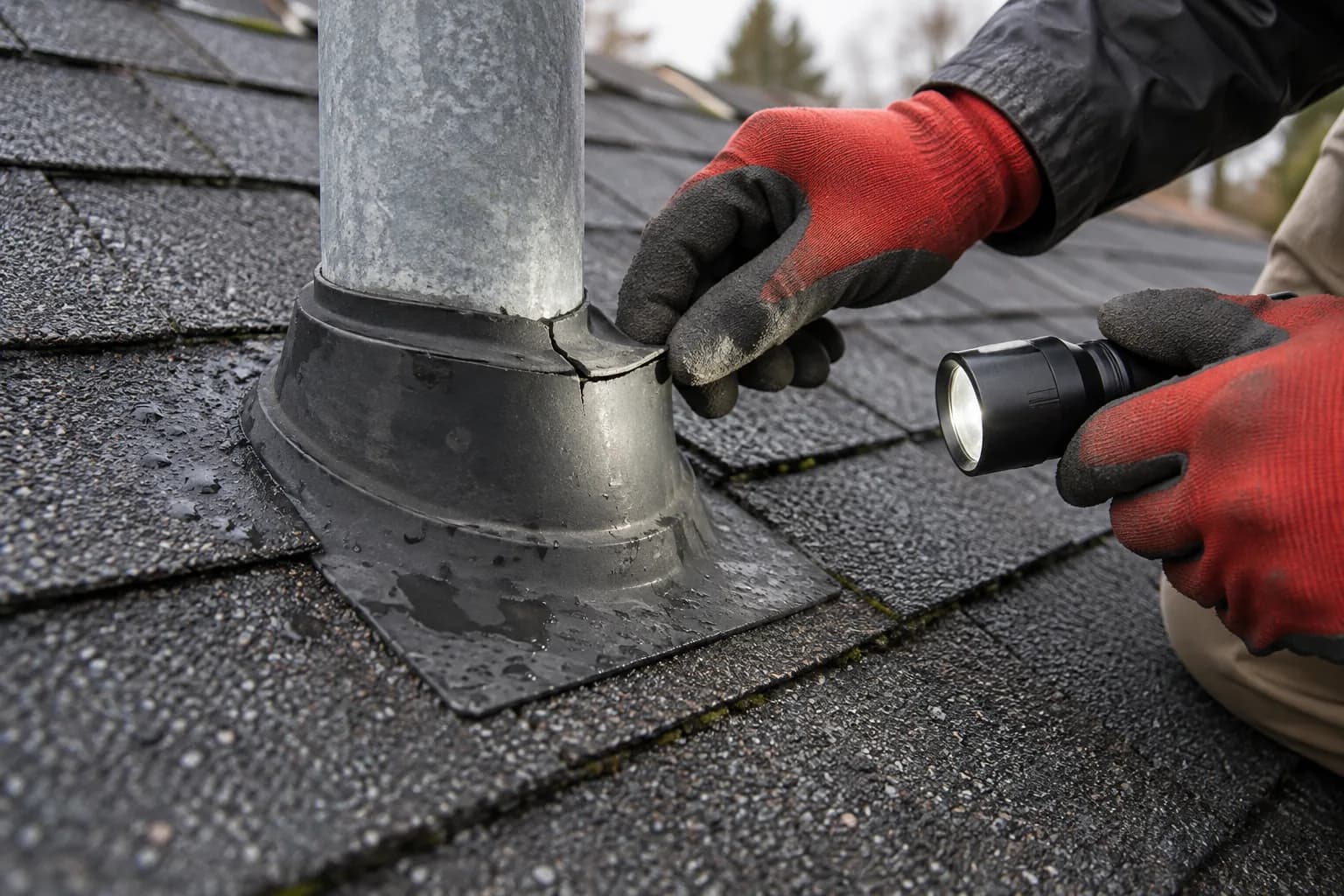
A ceiling stain that shows up in the exact same place every time it rains is almost never the whole roof failing. Here's how to trace it to the six-inch patch of flashing actually causing it, and what fixing it costs.
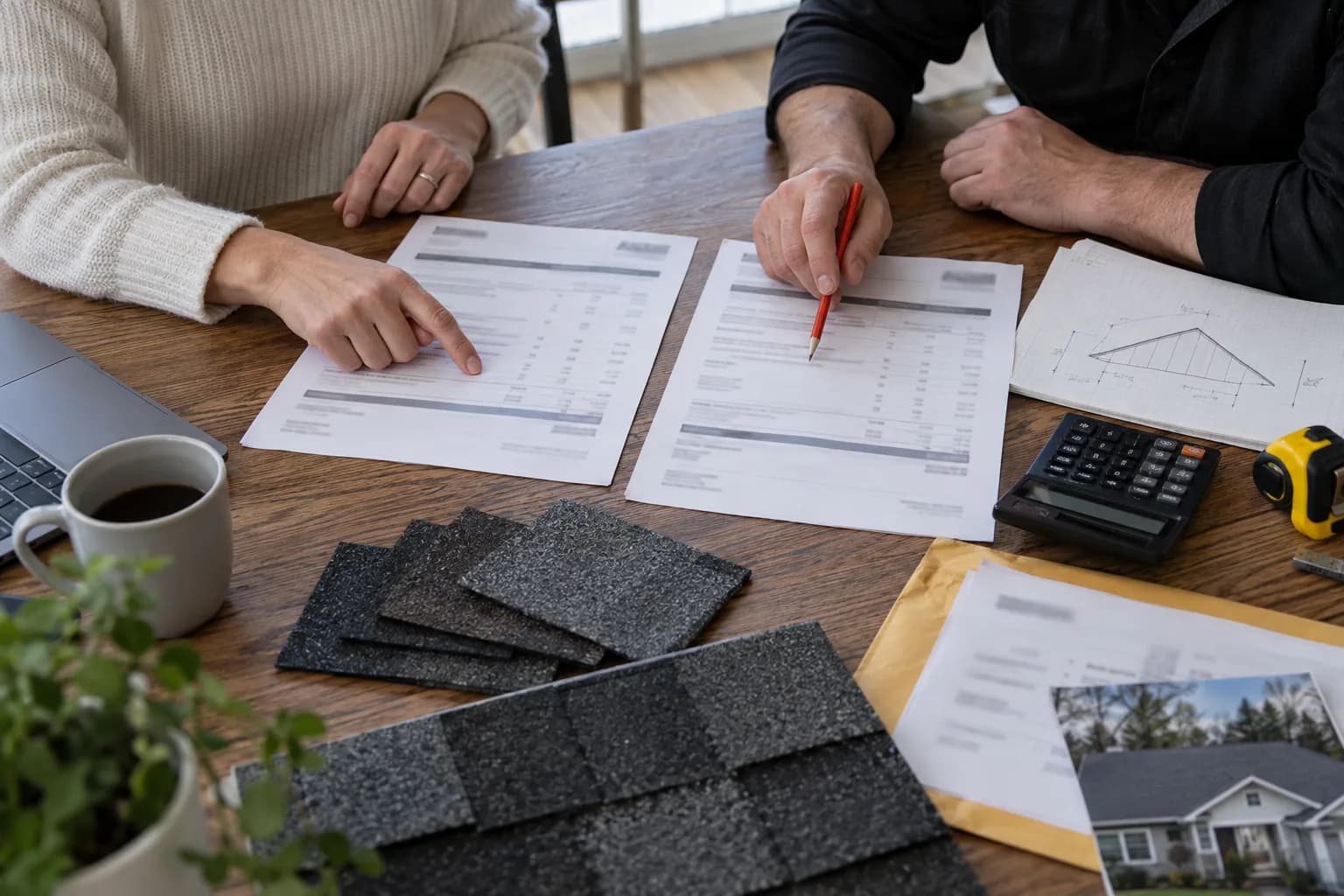
What each line on a roofing quote means, which numbers are negotiable, and the three places padding hides. Bring this to the kitchen table with the bid.
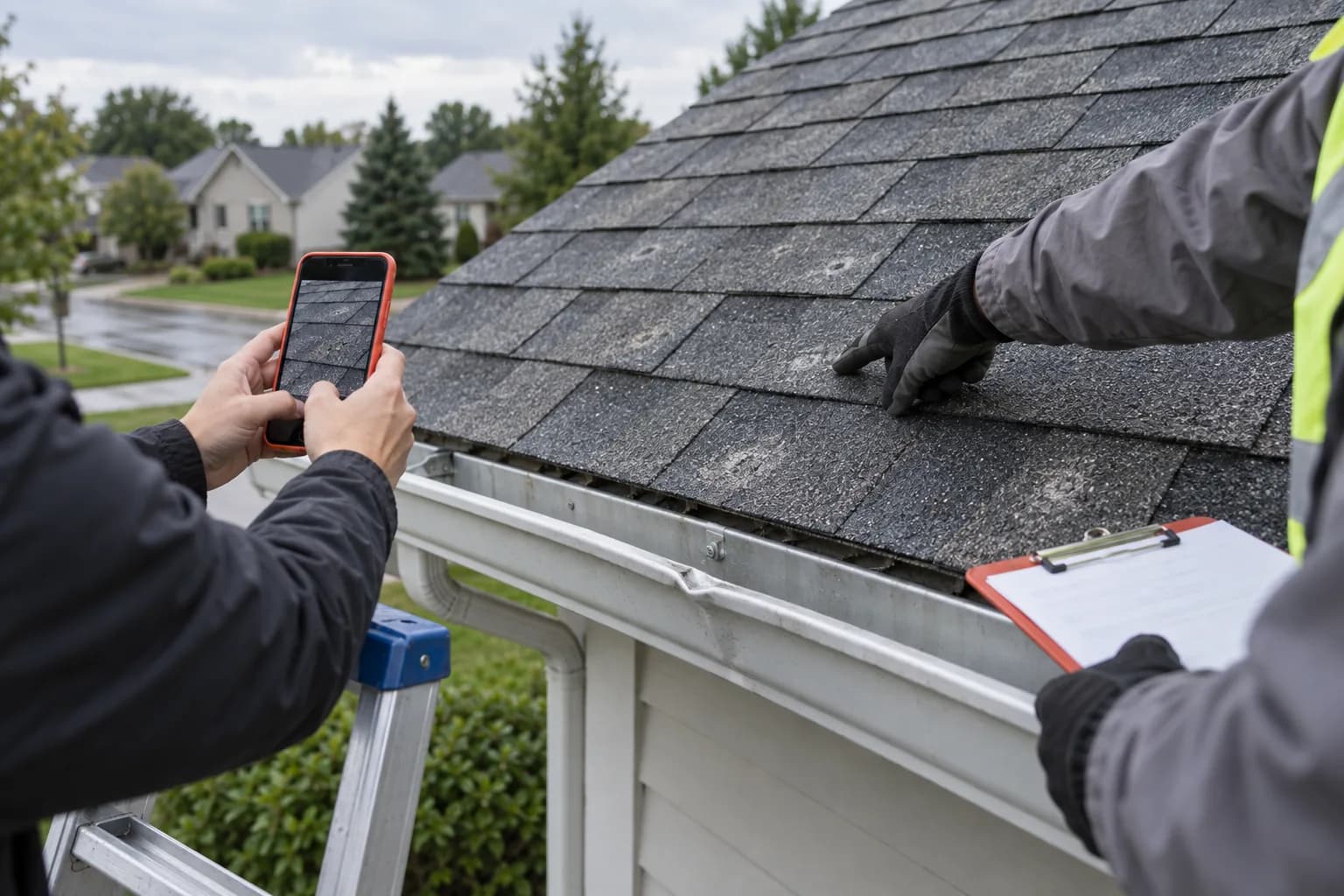
A step-by-step homeowner workflow for documenting storm damage, reading ACV and replacement-cost payments, and reconciling the insurer's scope with roofing bids.
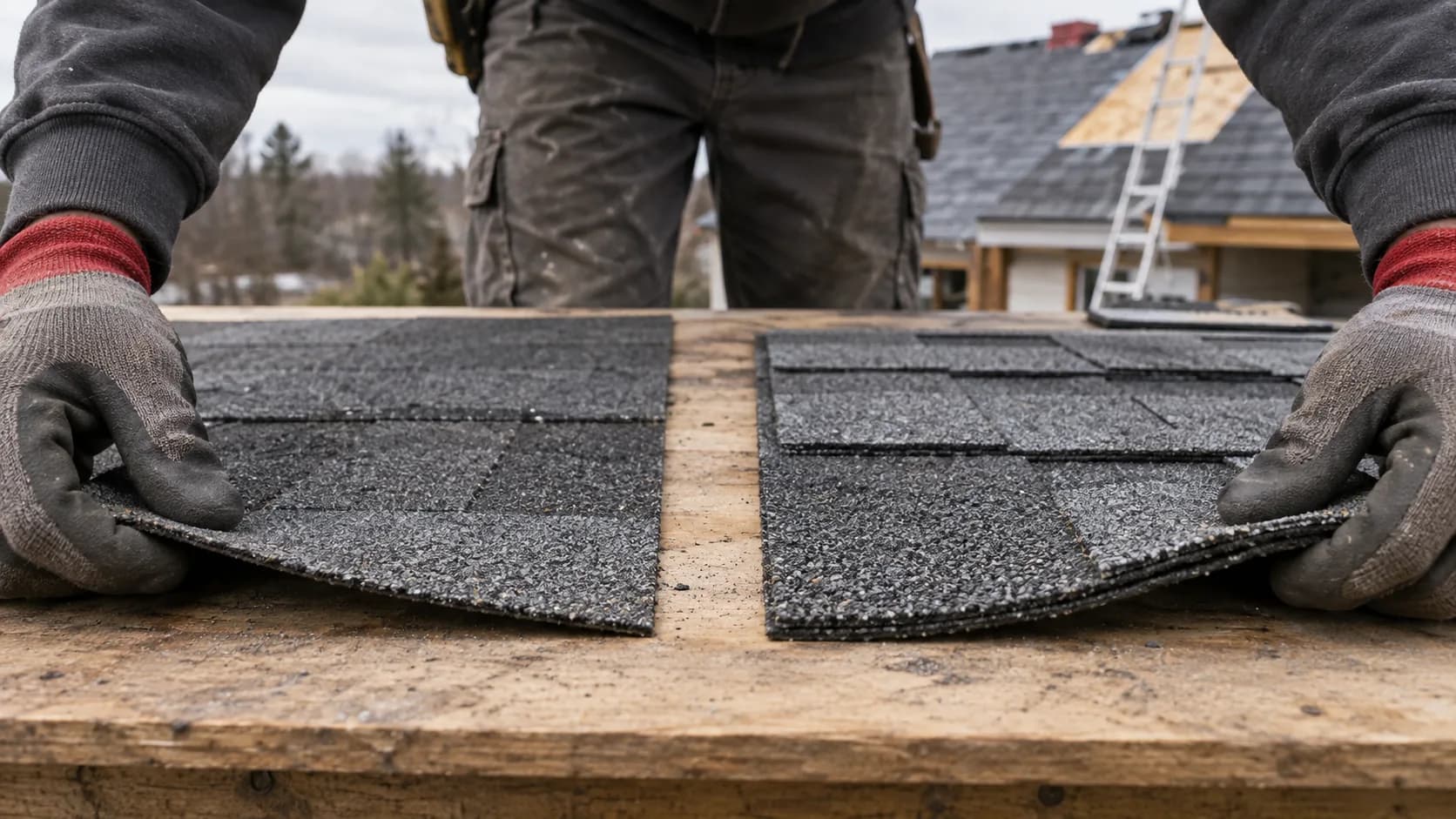
Compare 3-tab and architectural asphalt shingles by installed price, wind rating, warranty, roof details, and the line items that make two bids differ.
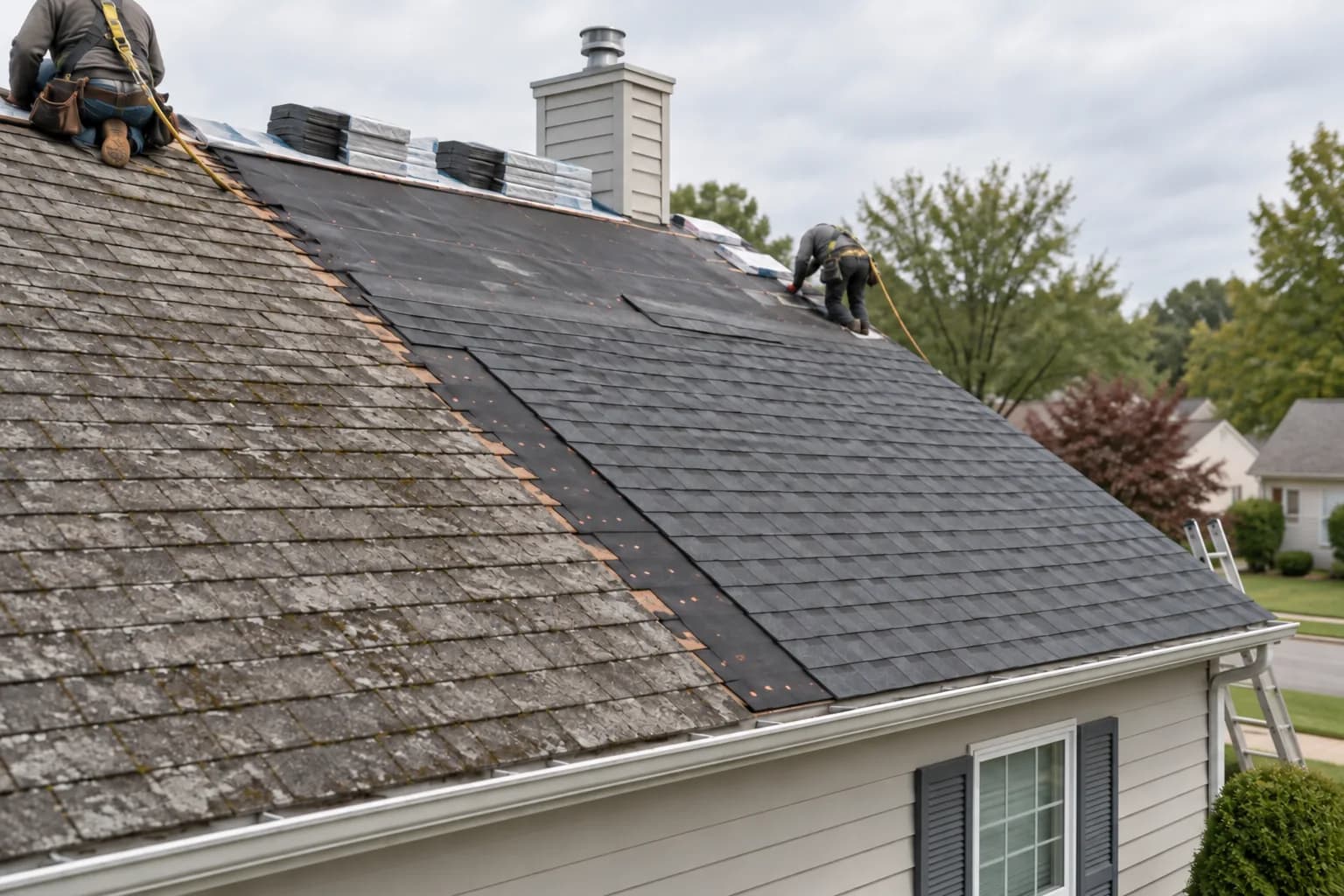
Detailed breakdown of residential roof replacement costs. Learn how square footage, pitch, and materials impact your final roofing estimate.
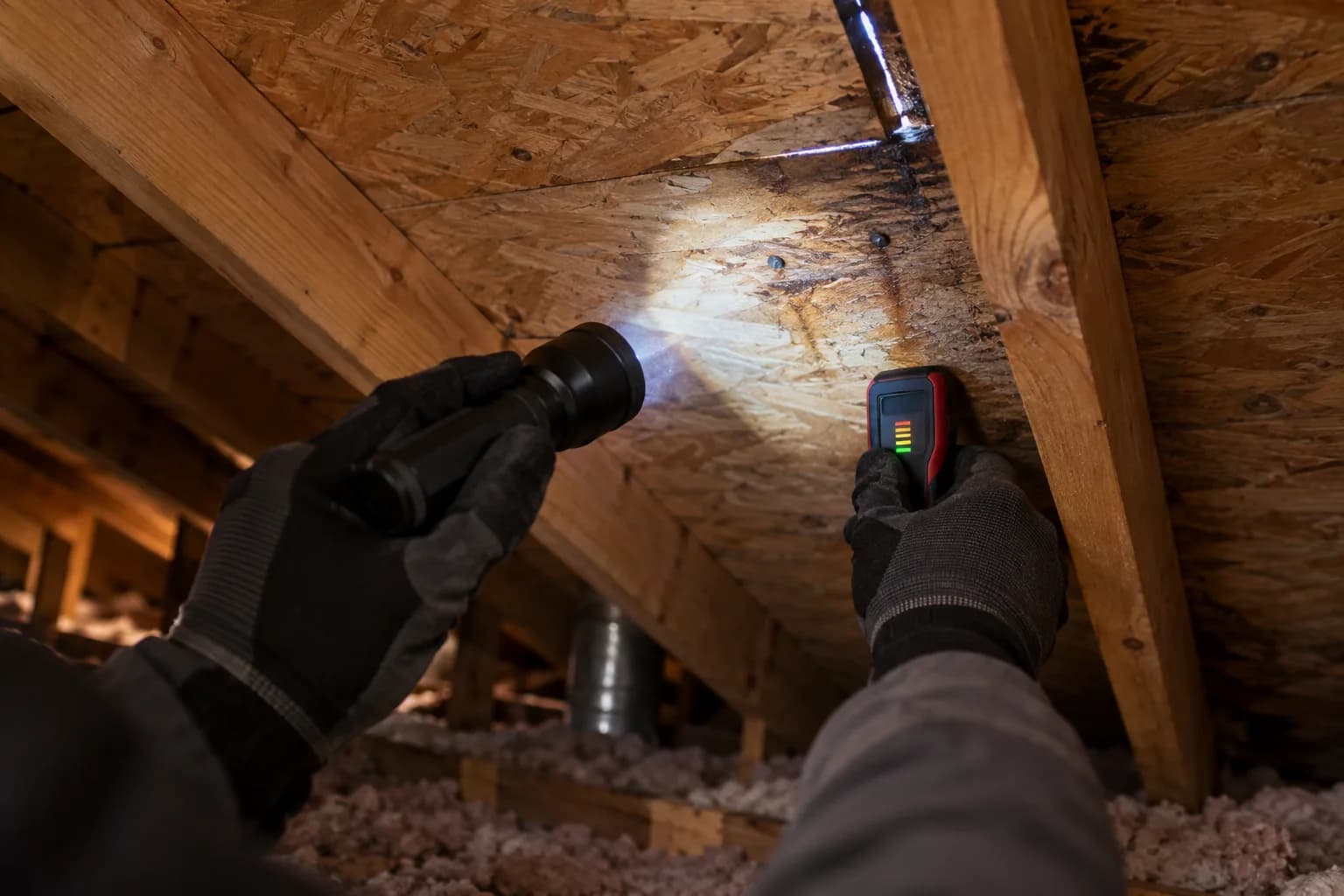
A safe attic-and-ground inspection checklist that separates urgent roof warning signs from ordinary wear and tells you what to document for a roofer.
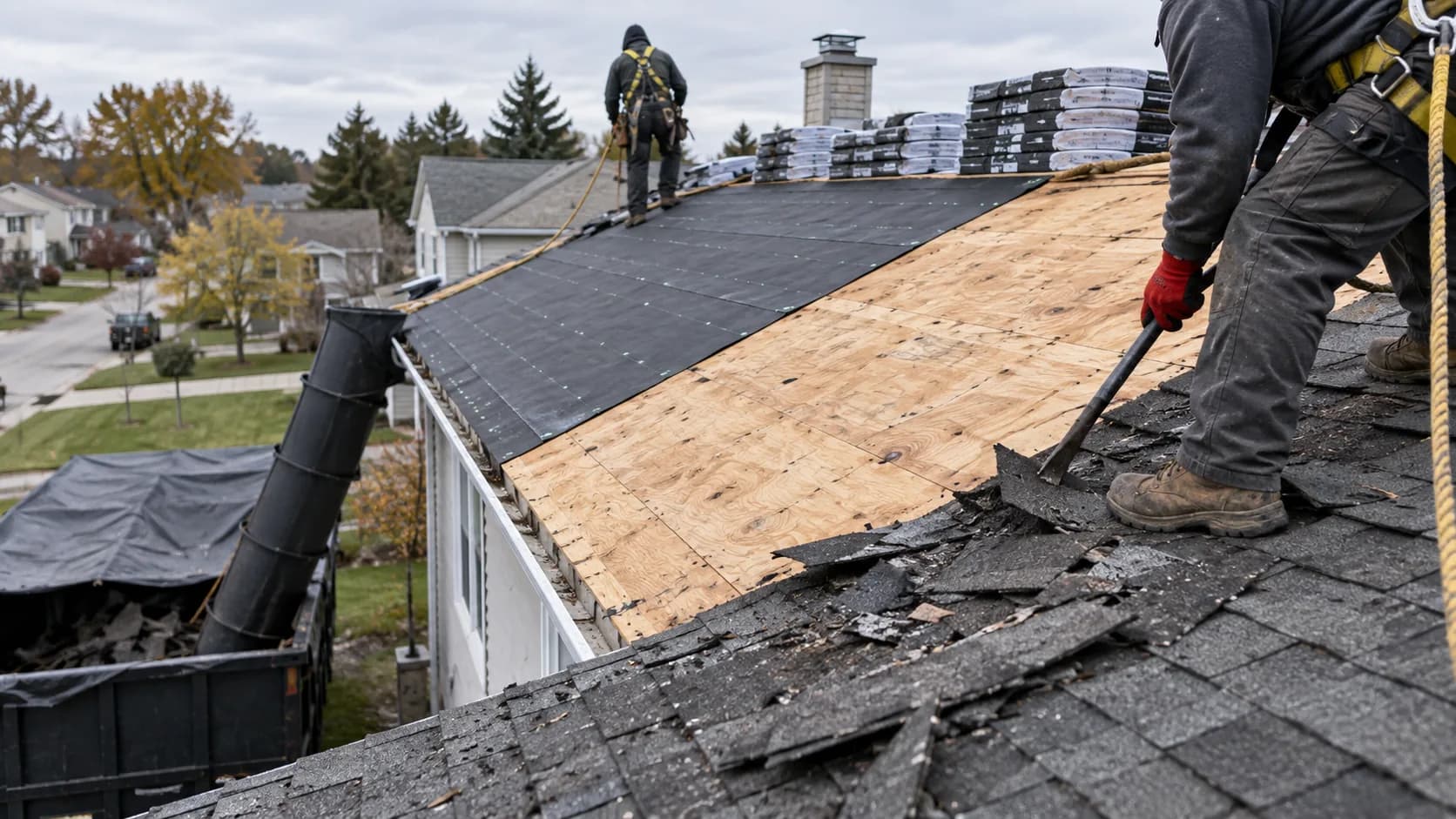
The tear-off, decking, flashing, ventilation, permit, and cleanup lines that belong in a roof replacement quote before work starts.
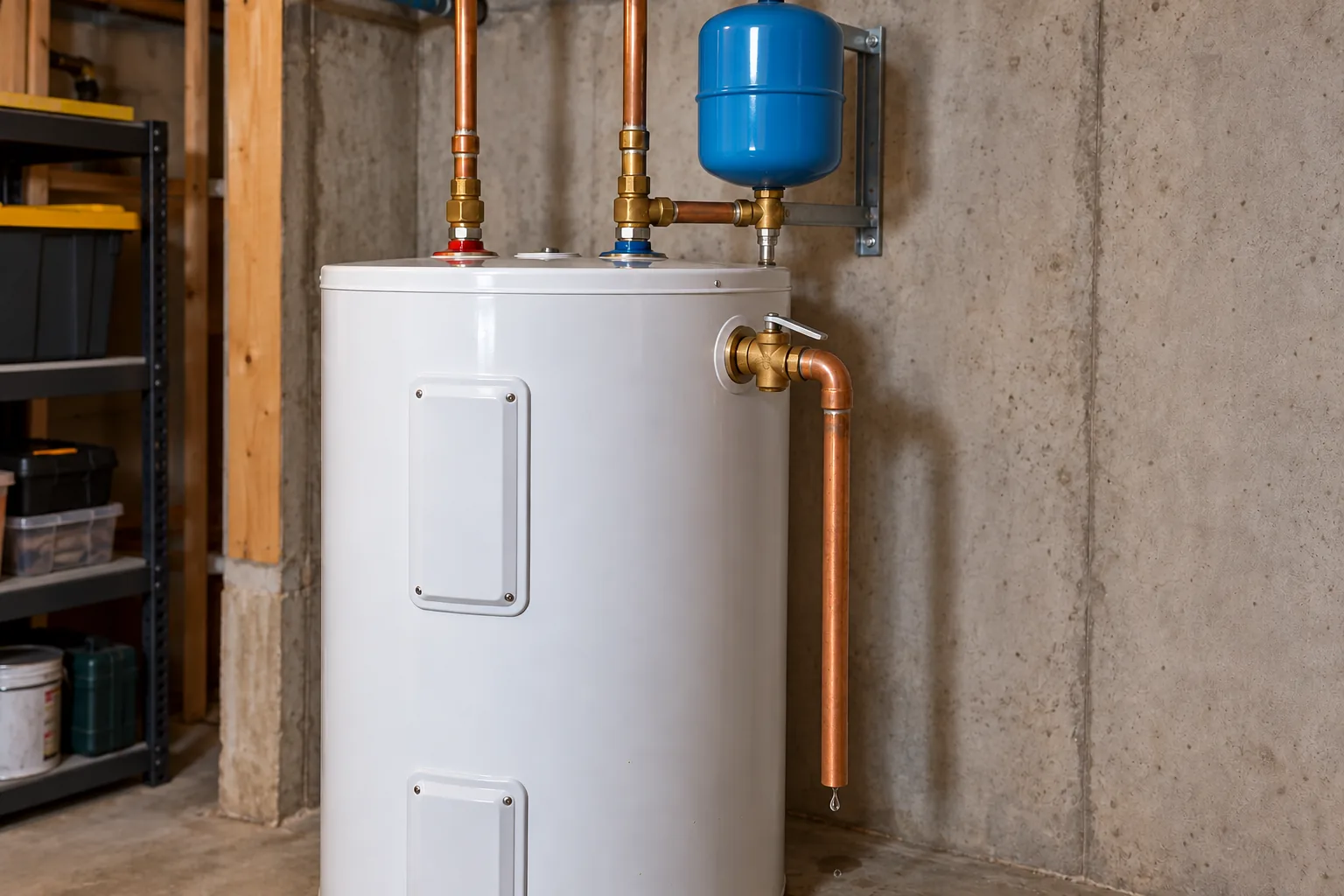
A T&P valve that weeps a little every heating cycle is usually doing its job in a closed system. Here's how to tell expansion from a failed valve, an overheating tank, or a bad weld.
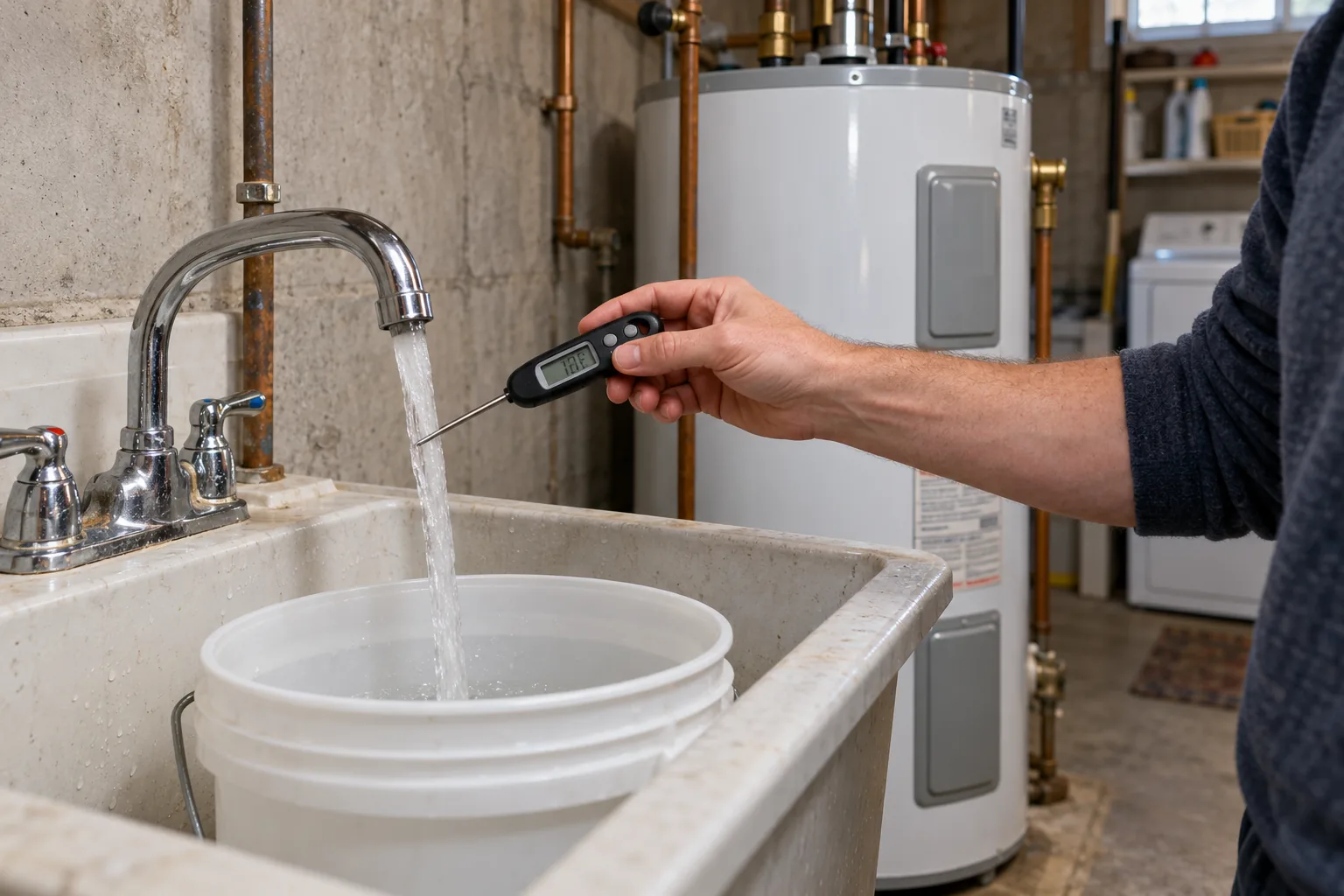
A shower that goes cold halfway through is either a tank that's too small for the hour you ask of it or a part that's quietly stealing capacity. A bucket, a thermometer, and the data plate tell you which.
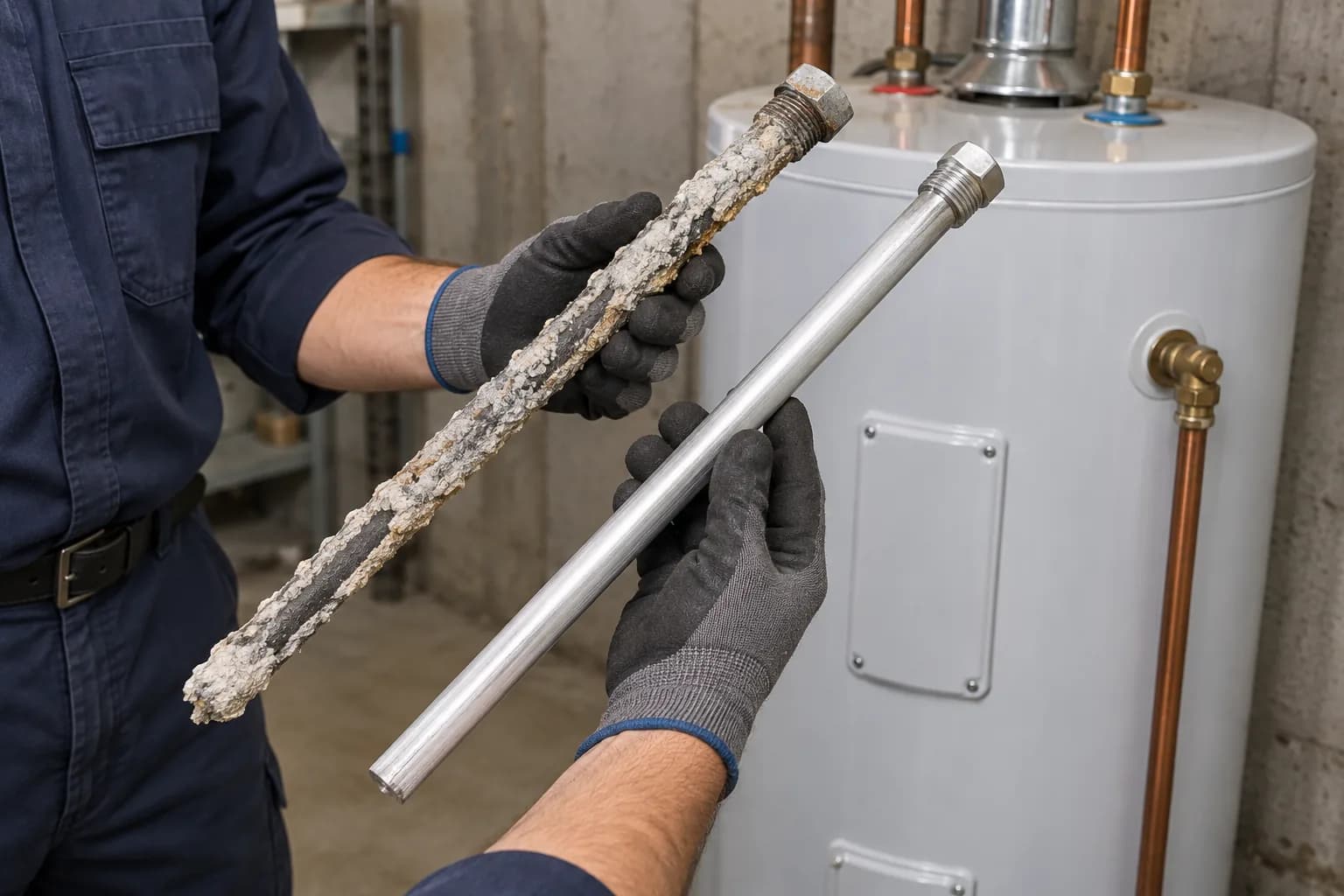
A sulfur smell that shows up only at the hot tap is usually bacteria working with your water heater's anode rod. Here's how to confirm it in five minutes and which fix fits your water.
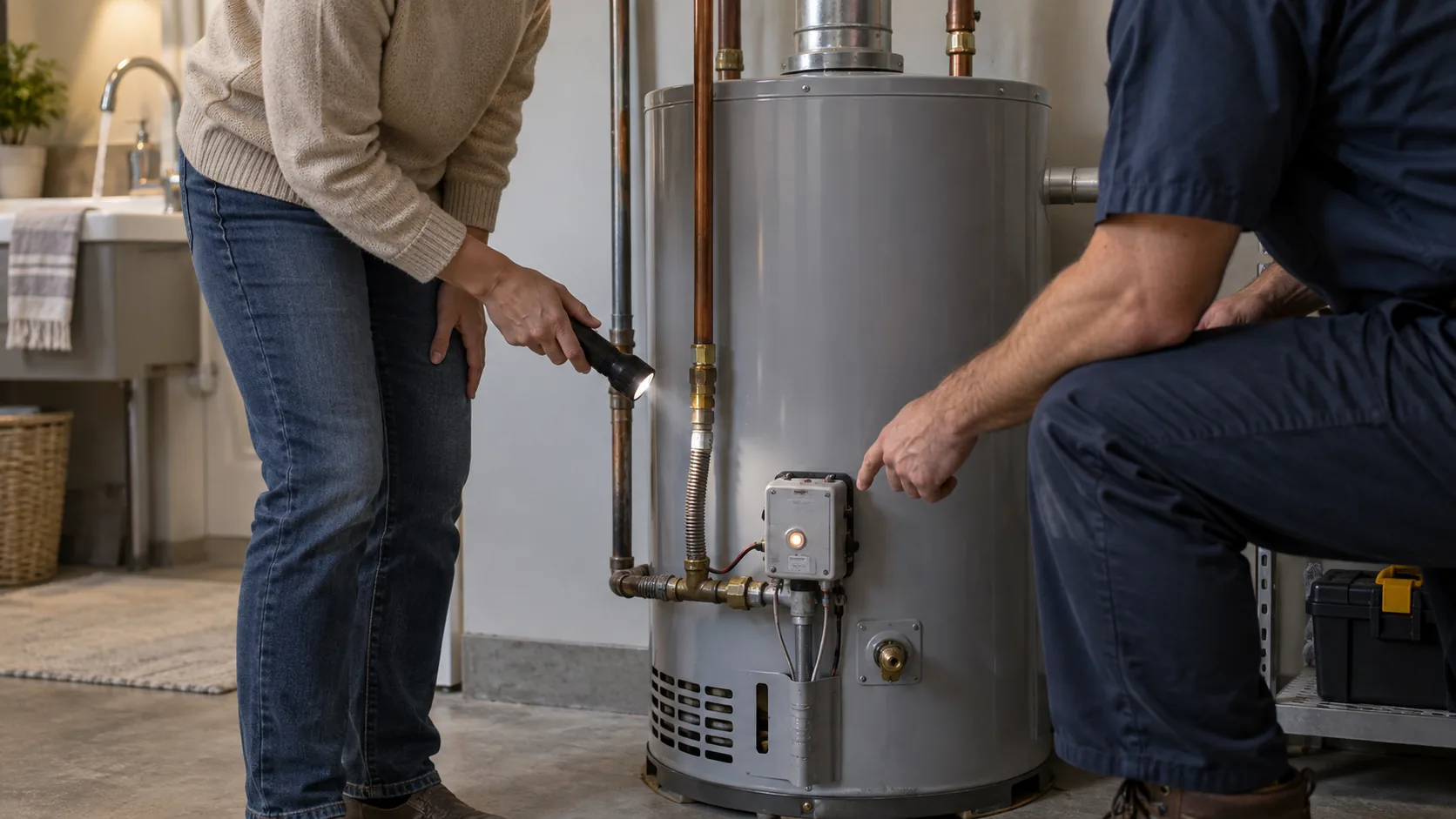
A tank that suddenly runs cold has usually lost one specific part, and the fuel type tells you which ones to suspect. Here's how to narrow it down before the service call.
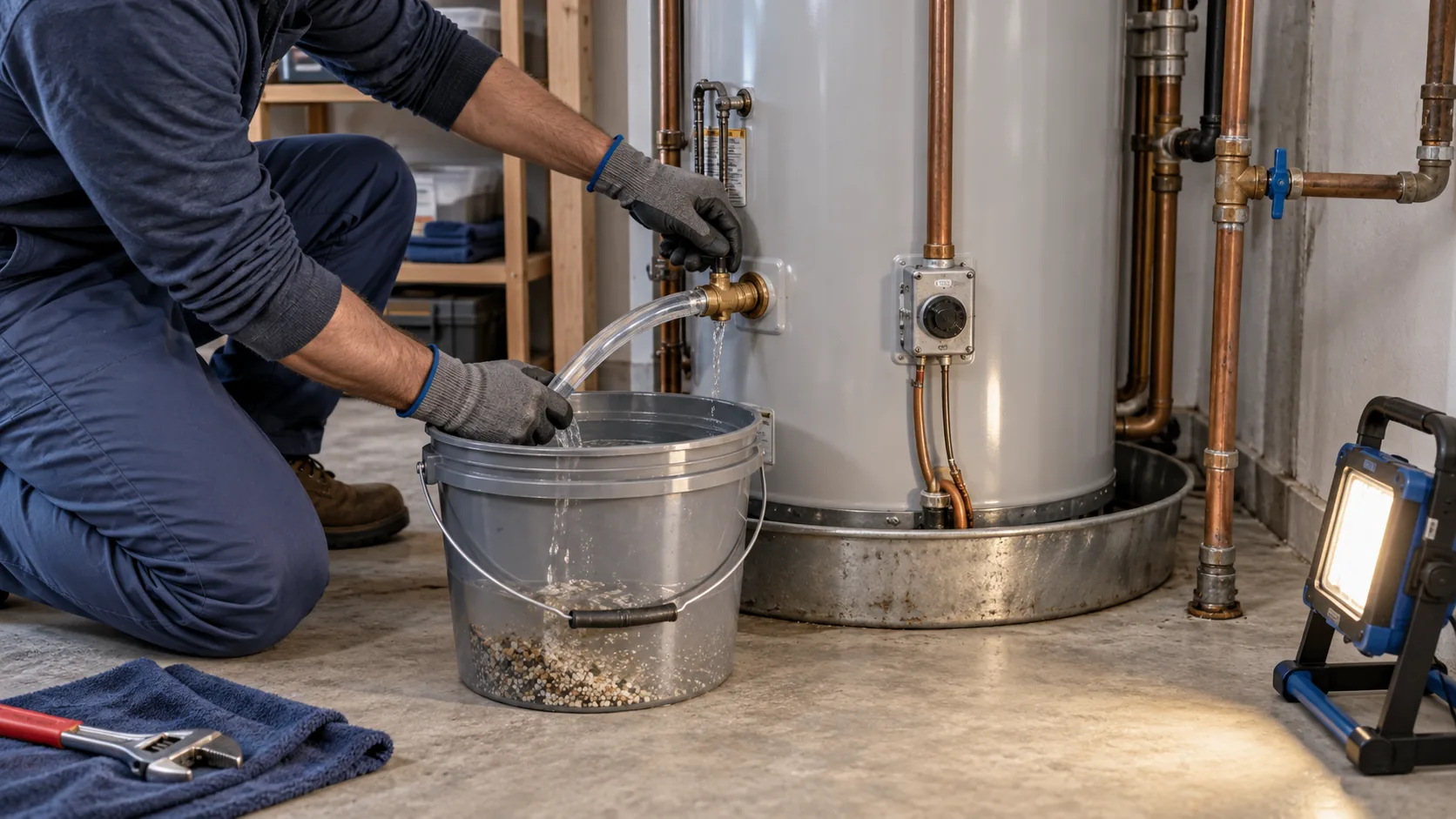
Popping or rumbling from a tank water heater is sediment trapping steam against the bottom of the tank in the vast majority of cases, not a tank about to fail. Here's how to read the sound and what fixing it costs.
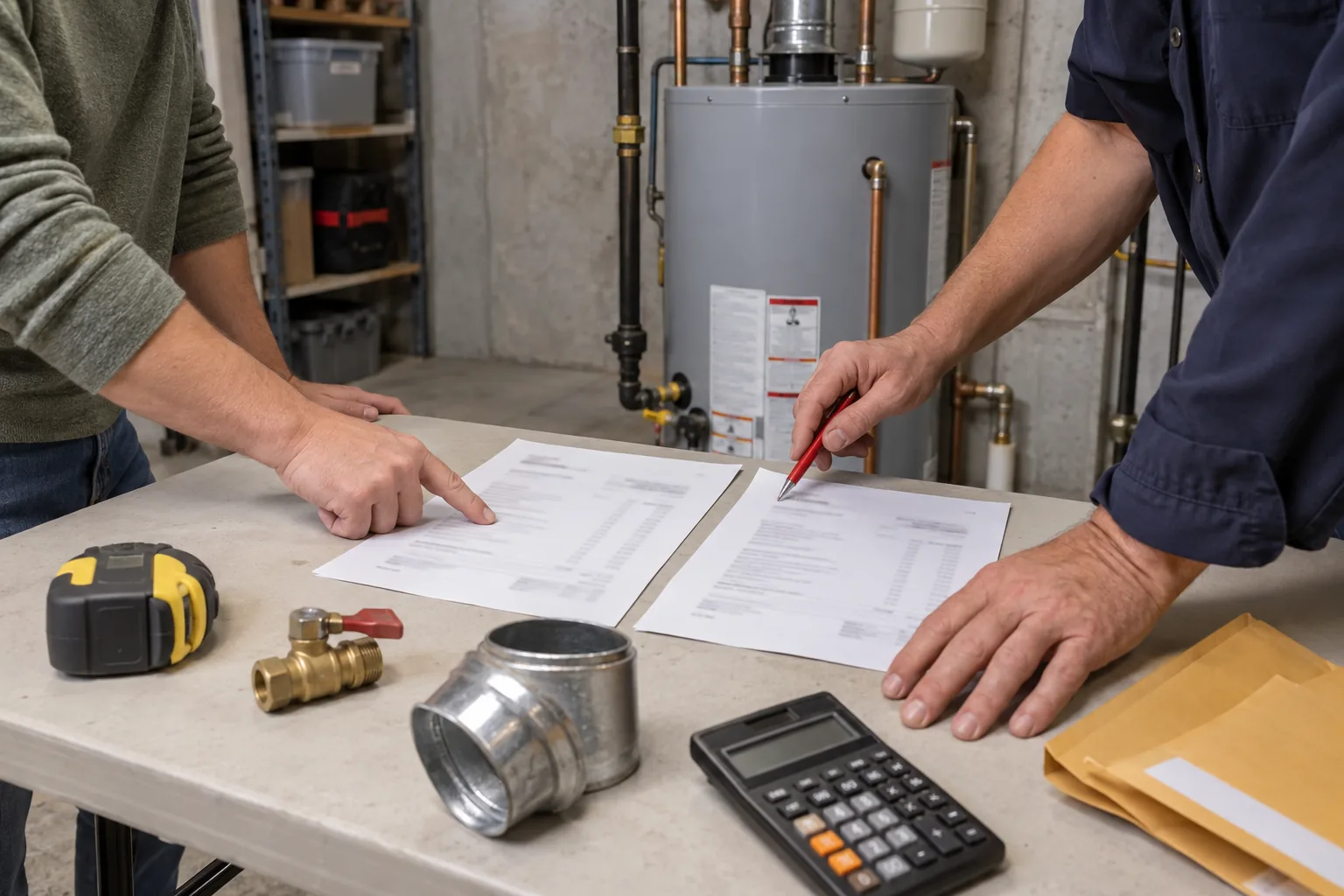
A complete water heater quote itemizes eight things; most people get three. Here's what belongs on the page and where a bare number hides code work.
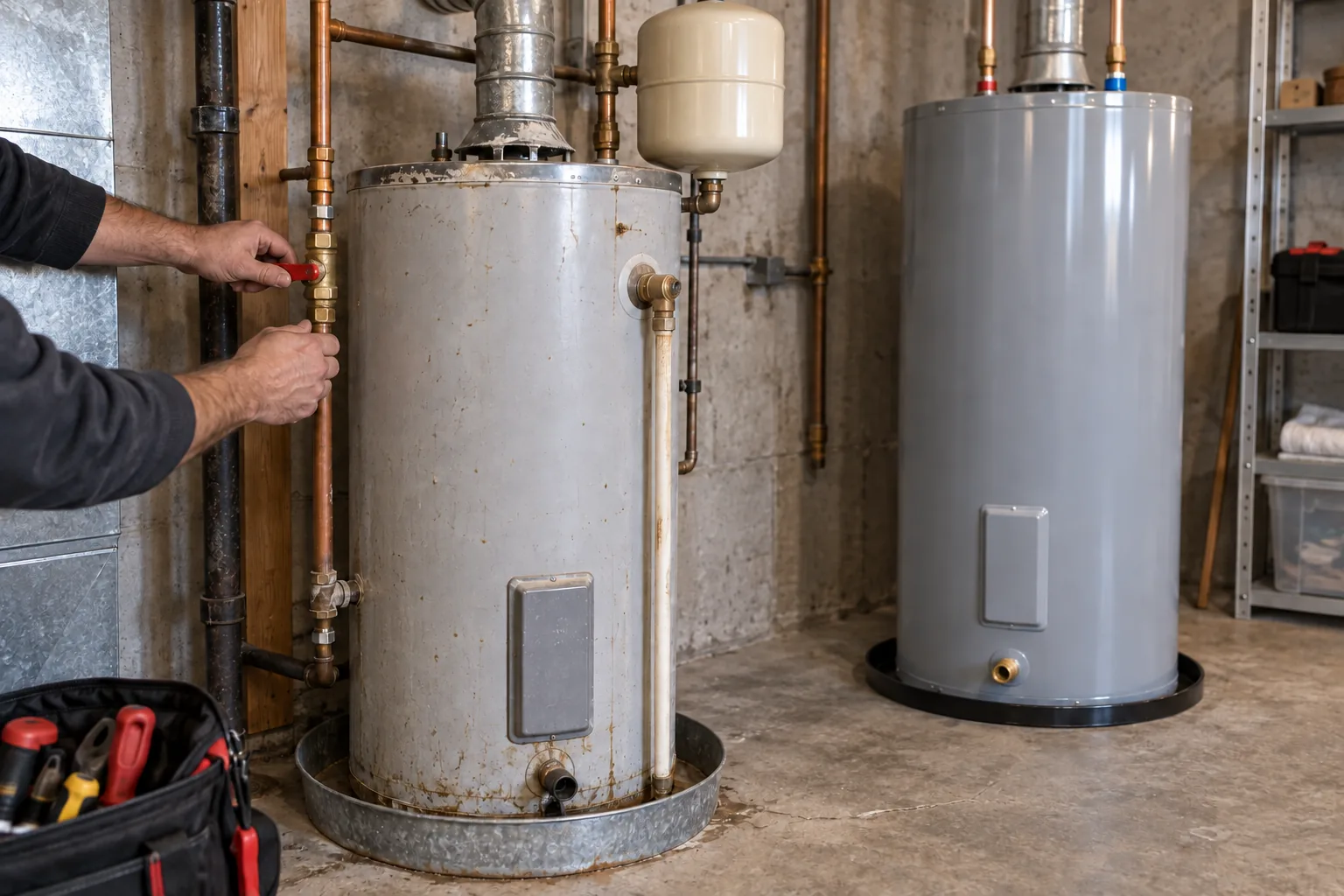
Real installed prices for gas, electric, tankless, and heat pump water heaters, plus the code-upgrade line items that quietly add $200 to $800.
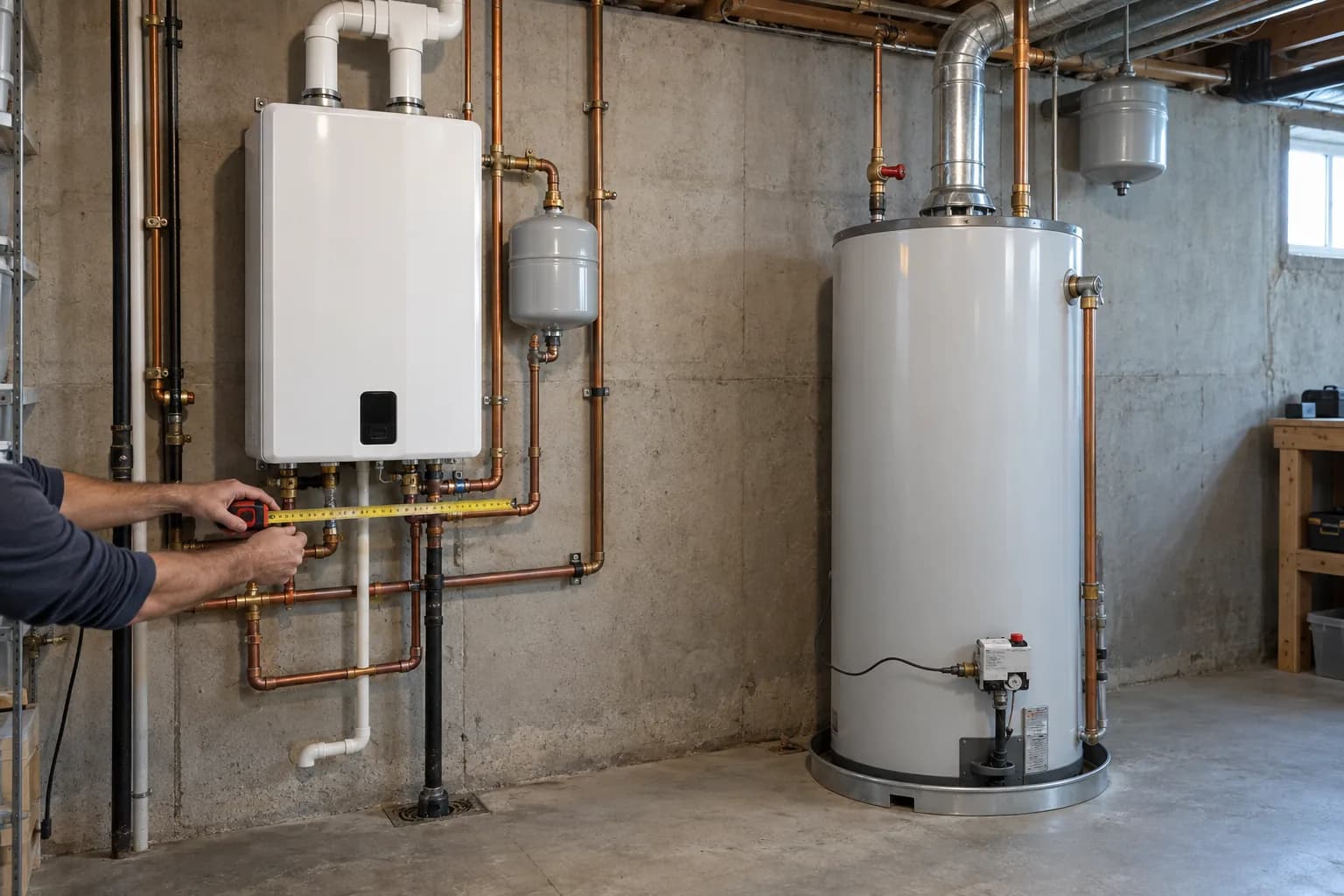
Tankless costs $1,500–$2,500 more installed. Whether you ever get that back depends on three things most sales pitches skip. Run the 10-year math first.
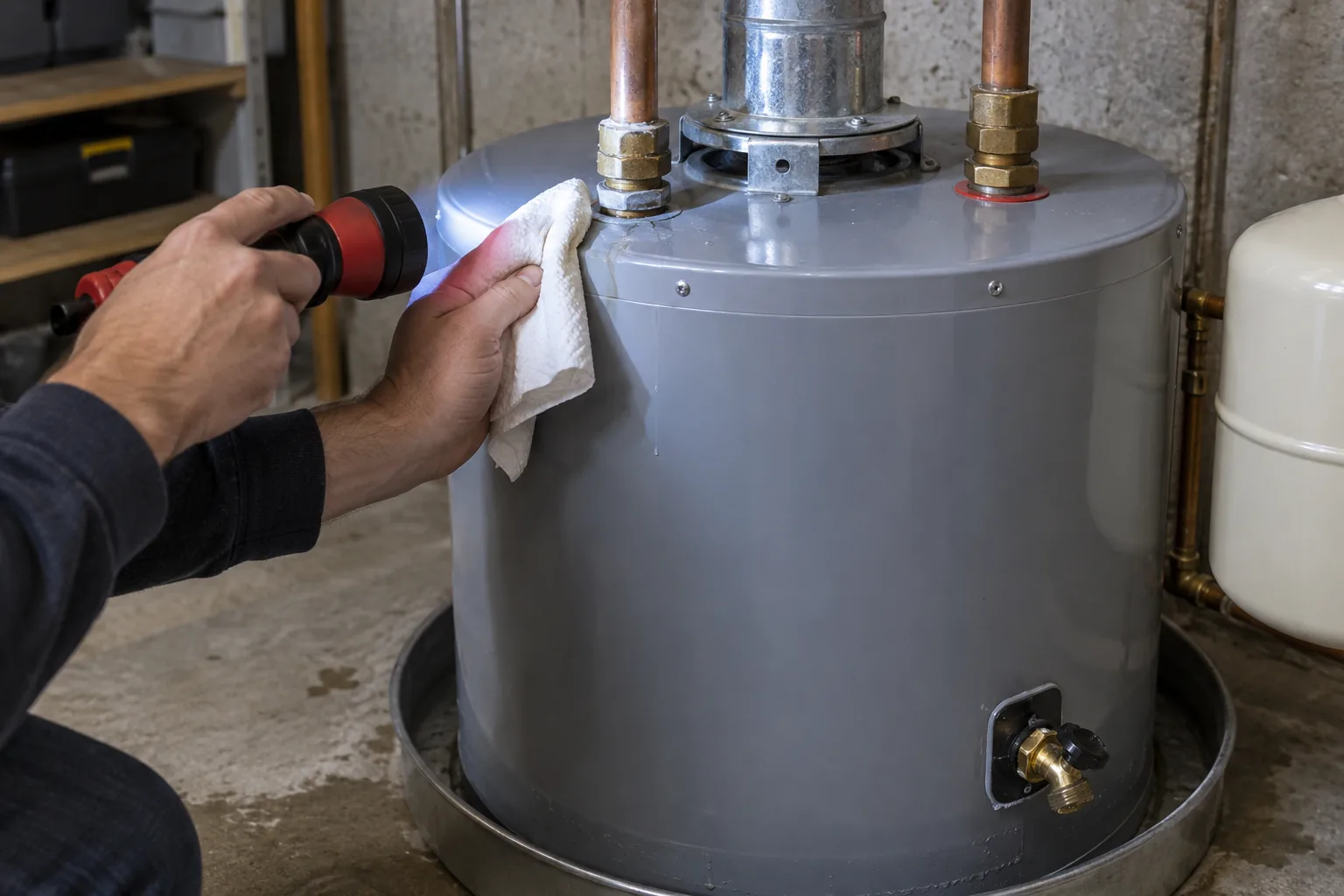
A leak from a fitting is a $150 fix. A leak from the tank body is a replacement, today. How to tell the difference in five minutes, before you call.
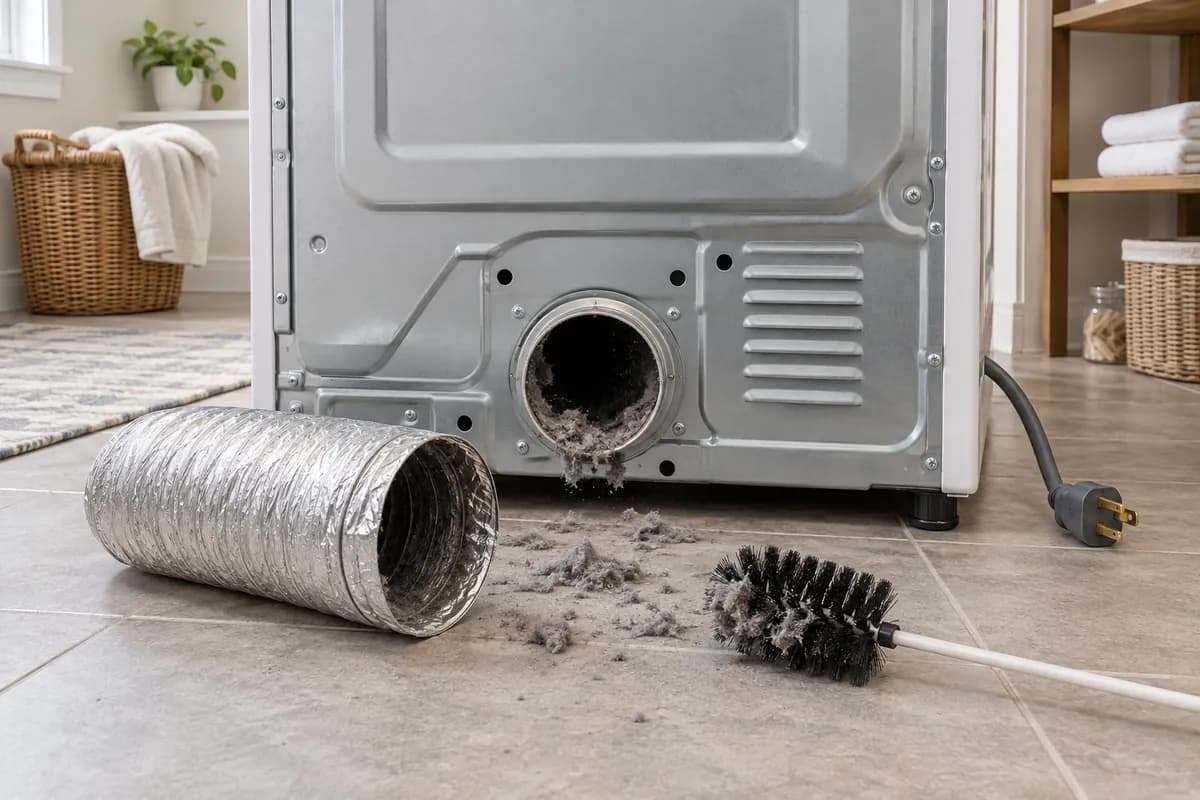
Separate lint-screen care from exhaust-vent maintenance. What you can inspect safely, what to ask a cleaning service, and why a drying problem needs diagnosis.
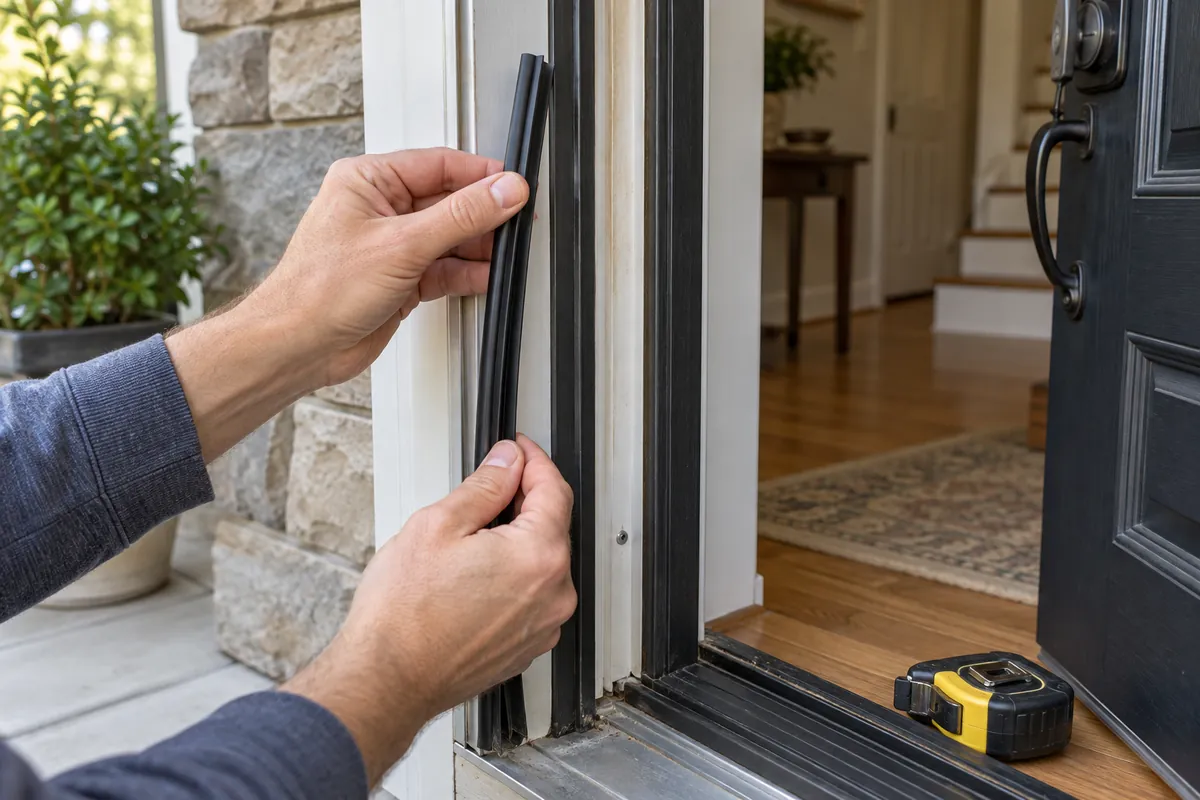
Separate a worn door seal from an alignment or threshold problem. Match weatherstripping to the opening and check that the door still closes properly.
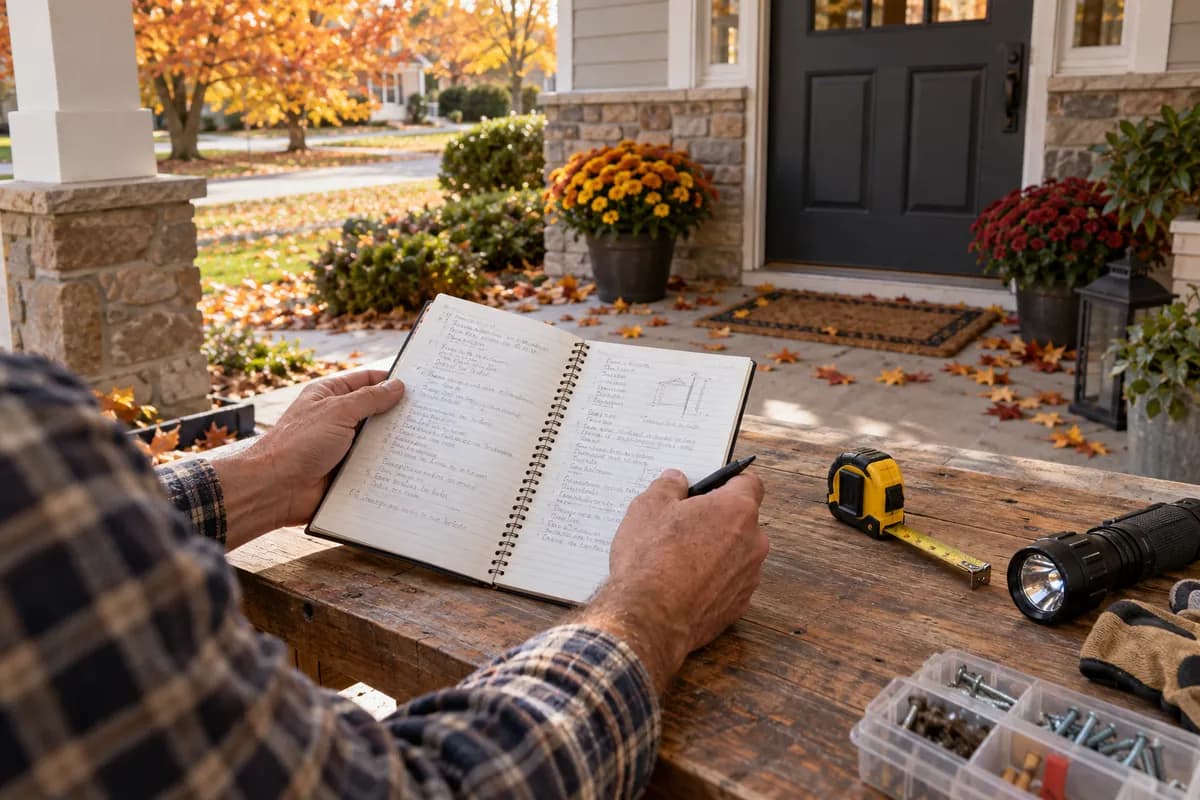
Start with rainwater, heating airflow, and alarms. A practical fall checklist that separates free inspections from purchases and contractor work.
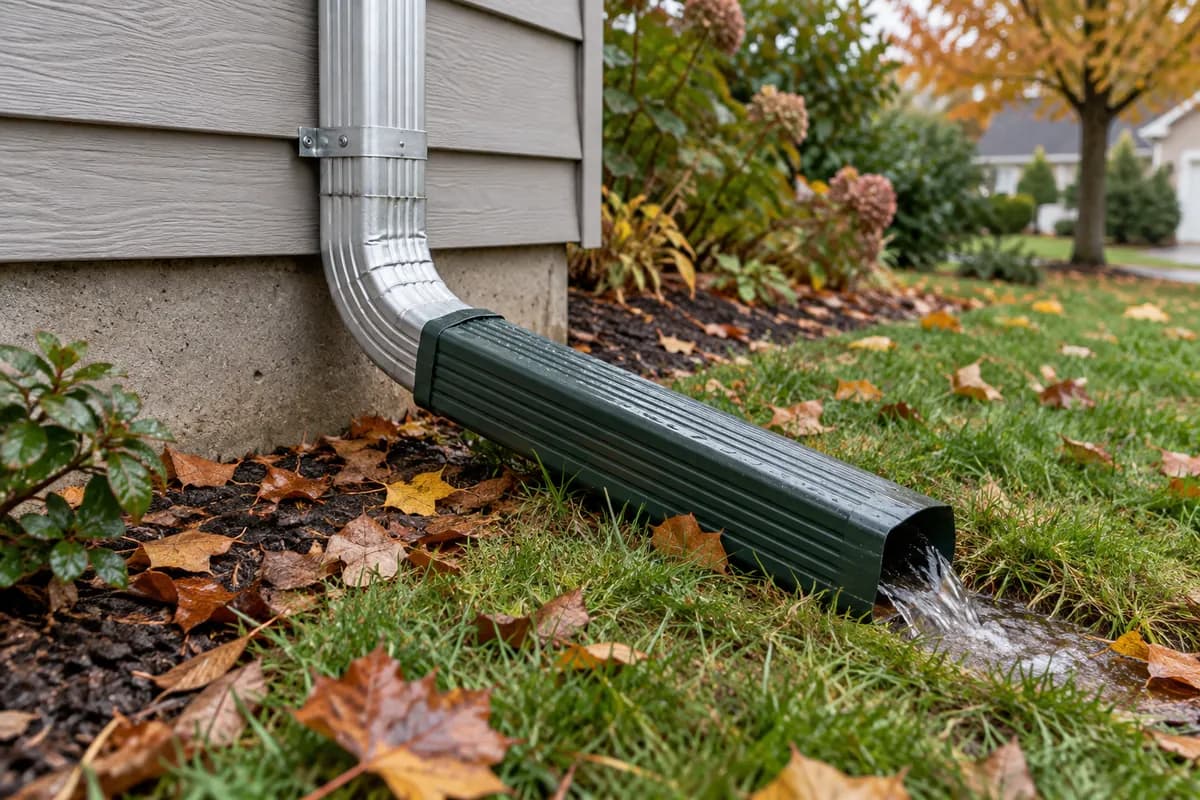
A gutter is only useful if its water reaches somewhere safe. Check overflow, loose connections, and discharge points from the ground before buying a fix.
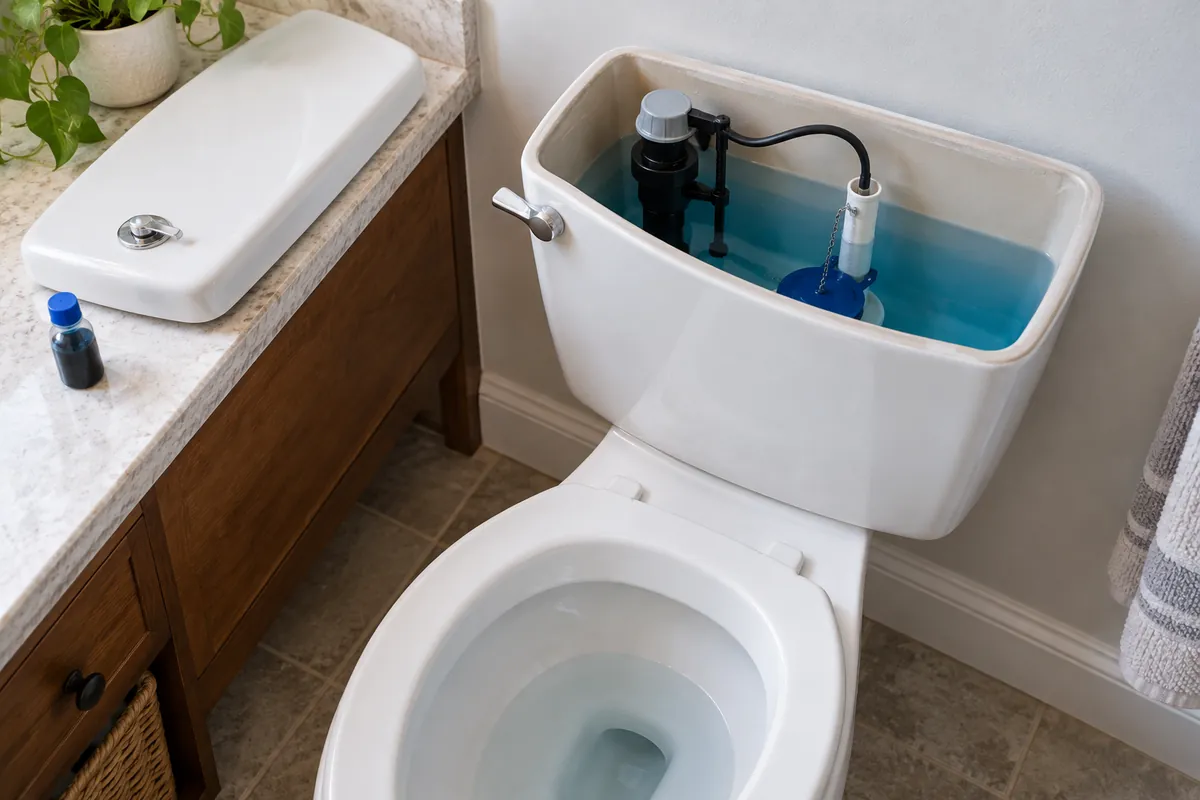
A toilet can waste water without leaving a puddle. Use a simple dye test, identify the flush mechanism, and buy a matching seal only after diagnosis.
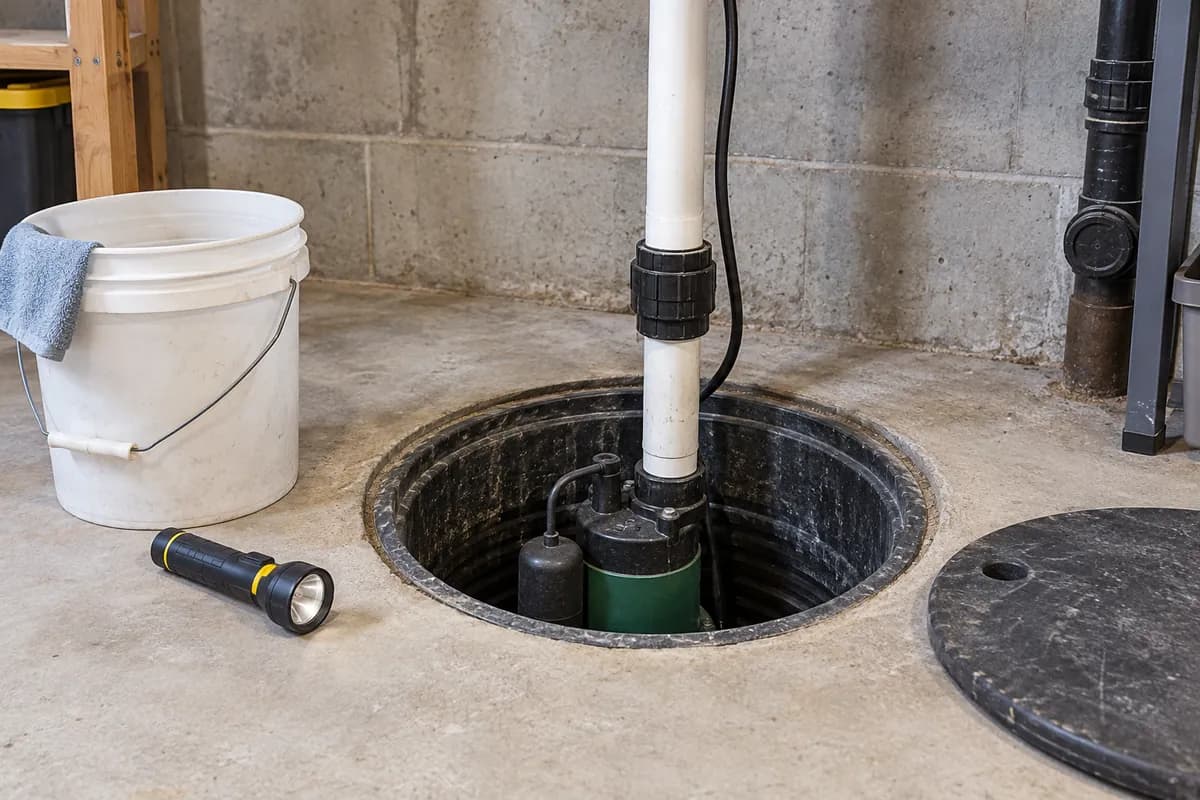
A short, manual-led check of pump operation and outdoor discharge. What to record, how to think about backup power, and when to leave the pit alone.
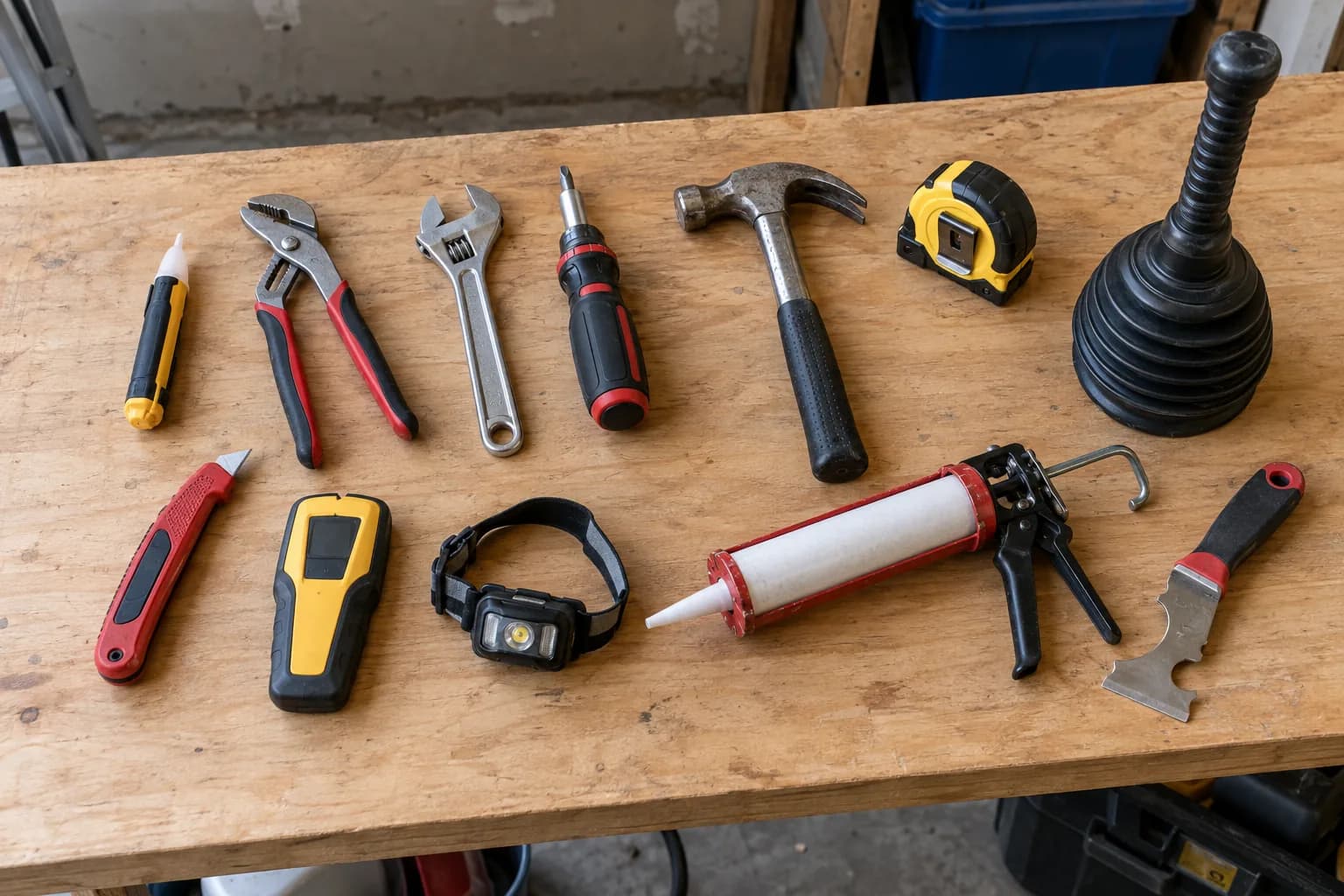
Twelve tools, bought once, no 200-piece kit. What each one is actually for, what it should cost, and the three things everyone buys that you should skip.
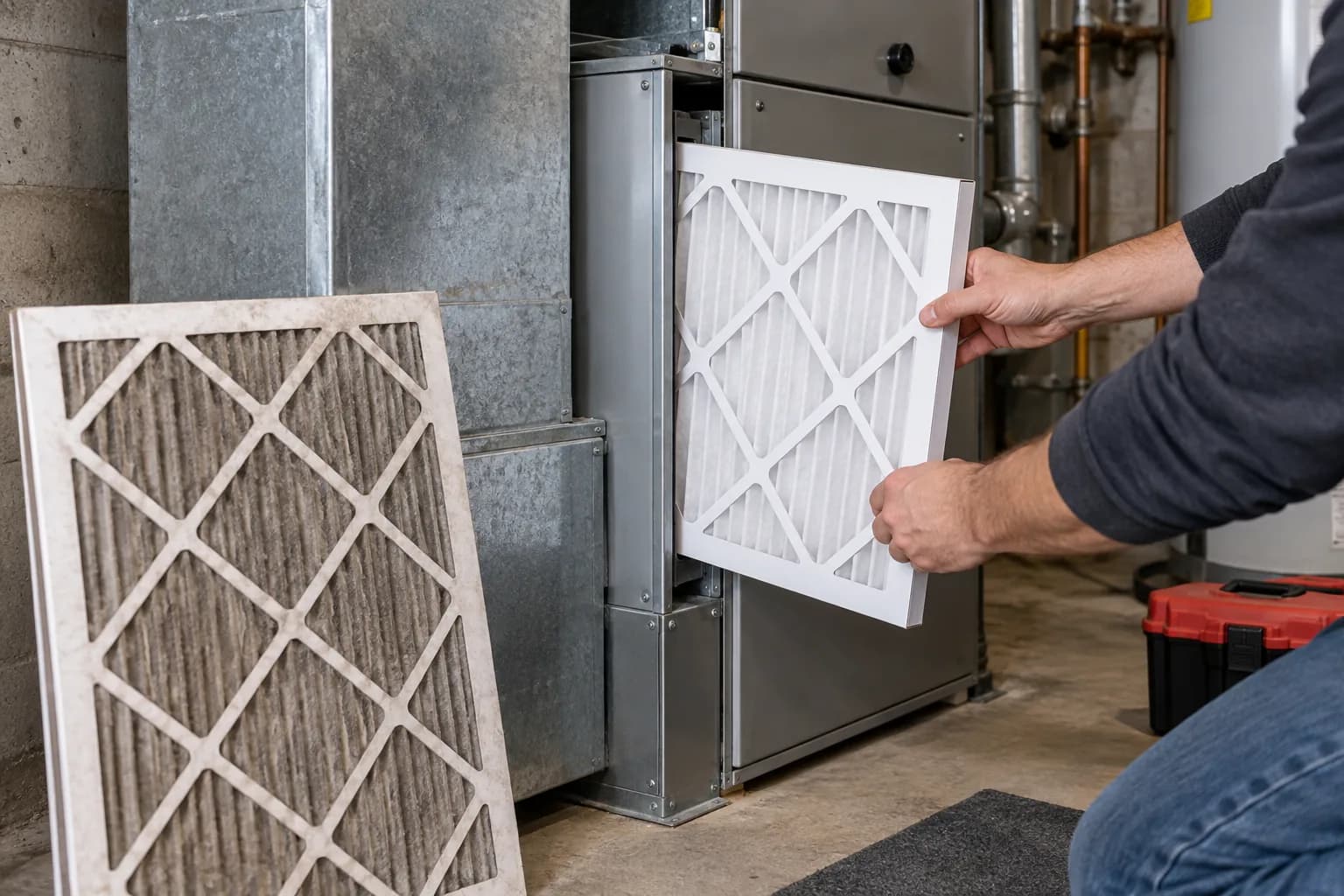
A clogged furnace filter doesn't just mean dusty air. It's the starting point of the most expensive failure chain in HVAC: dead blower motors, frozen coils, cracked heat exchangers. The fix costs less than a pizza per quarter.
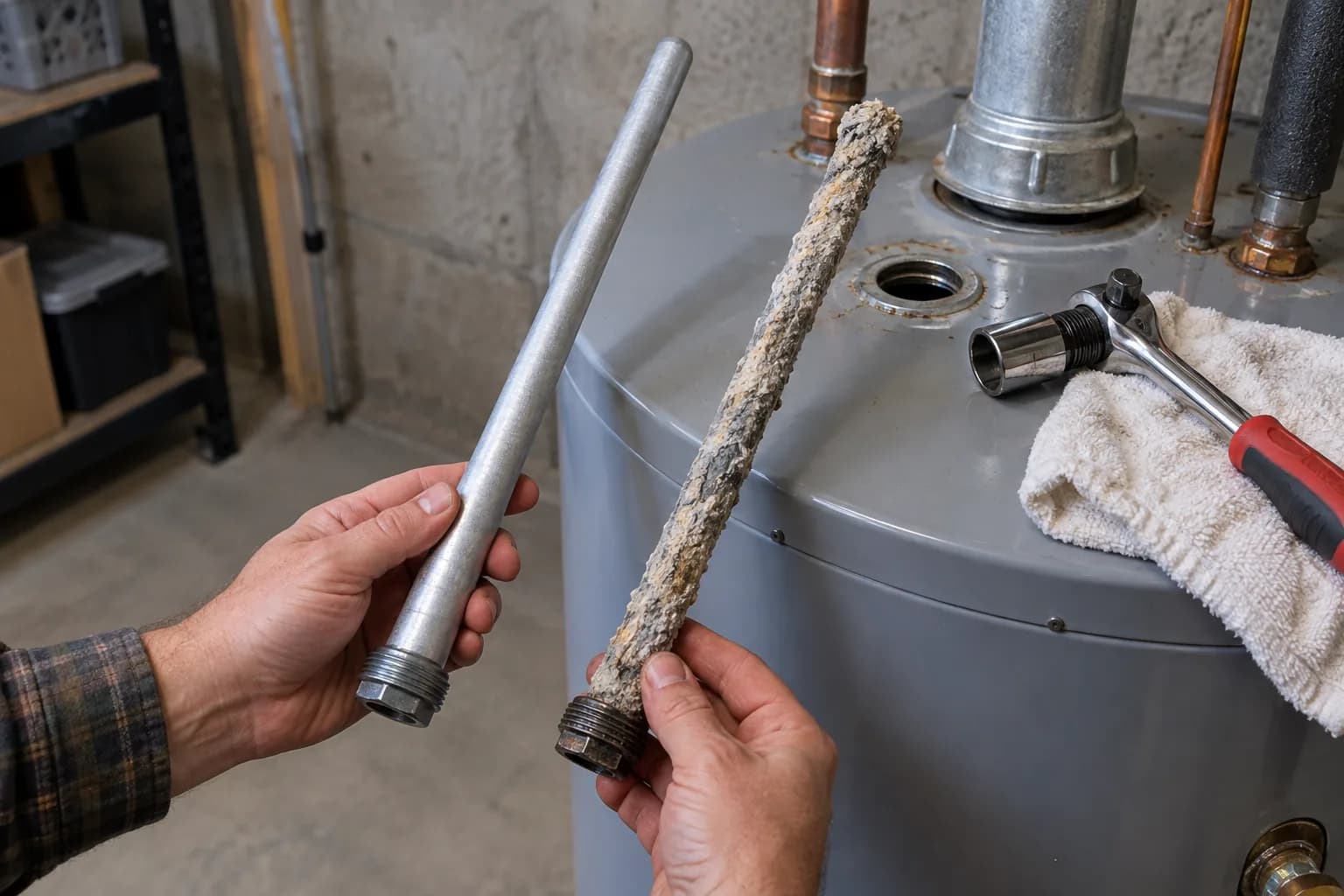
Every tank water heater ships with a sacrificial anode rod that quietly rusts away so the tank doesn't. Check it once by year five and you can push a 10-year tank toward 15–20. Skip it and the tank's fate is already scheduled.