
What should actually be on a roofing estimate?
What each line on a roofing quote means, which numbers are negotiable, and the three places padding hides. Bring this to the kitchen table with the bid.
The short answer
A complete quote itemizes eight things: tear-off, materials by name, underlayment, flashing, ventilation, disposal, permit, and warranty terms. If your bid is one paragraph and a big number, that's not a cheaper contractor. That's a quote designed not to be compared.

Estimate, not a final quote
This range is for planning. Final pricing depends on an on-site inspection, materials, permits, access, and contractor scope.
Compare written bids
Ask each contractor for the same scope, warranty terms, permit handling, cleanup details, and exclusions before choosing.
Source-backed guidance
Guides use public references and practical cost modeling, then point you to official sources where rules or rebates can change.
This article contains paid links to Amazon. As an Amazon Associate I earn from qualifying purchases.
A roofing estimate is a document written by someone who writes fifty of them a month, for someone who reads one every twenty years. That asymmetry is the whole game. Here's how to read the bid in front of you the way a competing roofer would.
The eight lines a real estimate has
Lay the quote on the table and check items off. A professional bid names each of these separately:
- Tear-off: removal of the existing roof, with the number of layers stated. Tearing off two layers costs more than one; a bid that doesn't say how many layers assumes the answer that favors the roofer.
- Materials, by name: the actual shingle line ("Owens Corning Duration," not "architectural shingles"), so you can price it yourself and compare warranties.
- Underlayment: synthetic or felt, and ice-and-water shield at eaves and valleys where climate requires it. This layer is invisible on day one and is most of what separates a $9,000 roof from a $13,000 one.
- Flashing: around chimneys, walls, and pipe boots. Look for the word replace, not reuse. Reused flashing is where leaks come back.
- Ventilation: ridge vents, soffit work, or "match existing." An unvented attic cooks shingles from below and can void the manufacturer warranty.
- Disposal: dumpster and haul-away, included.
- Permit: who pulls it. The answer should be the contractor. A roofer who wants you to pull the permit is keeping their name off the job.
- Warranty, in two parts: the manufacturer's on materials and the contractor's on workmanship (look for 5–10 years; one year is a courtesy, not a warranty). They are different things and both belong in writing.
Missing lines aren't savings. They're decisions someone made for you and didn't write down.
The numbers that are actually negotiable
Roofing bids move in some places and not in others:
- Shingle tier is a real menu. Dropping from a "designer" to a standard architectural shingle can cut $1,500–$3,000 with modest visual difference from the street.
- Timing moves prices. Late fall and winter (in most markets) are slow season; roofers sharpen their pencils.
- The deposit should be small: 10–30%, or in materials-on-delivery form. A demand for 50% up front is a cash-flow problem you're being asked to finance.
- Labor rates and tear-off are not worth pushing on. A roofer who caves on labor recovers it somewhere you can't see, usually the underlayment or the flashing.
Where padding hides
Three patterns show up over and over in inflated bids:
- The vague allowance. "Wood replacement as needed" with no unit price. Decking repairs are legitimate and common. The honest version reads "$85 per sheet of plywood, we'll confirm count during tear-off and photograph what we replace." No unit price means the number is whatever they want it to be later.
- The bundled 'roof system' line. One price for "complete roof system" resists comparison by design. You can't tell if you're paying for ice-and-water shield or not.
- The mystery premium. If one bid is 25% above the others with identical scope, ask what's different. Sometimes it's a real answer: better crew, longer workmanship warranty. Sometimes the answer is silence, which is also an answer.
The reverse red flag matters just as much: a bid far below the others usually means a layover instead of a tear-off, reused flashing, or a crew with no insurance. Ask for the certificate of insurance (liability and workers' comp) before the low number tempts you. If a worker is hurt on your roof and the roofer has no comp coverage, your homeowner's policy is next in line.
Compare bids on scope, not totals
Get three bids and normalize them before you look at the bottom line: same shingle line, same underlayment spec, tear-off of the same number of layers, flashing replaced. Only then do the totals mean anything. Our roofing cost estimator gives you the fair range for your size and pitch first, so you know which of the three bids is the outlier, and our roof replacement cost guide breaks down what drives the range itself.
Keep each proposal and revision in an expanding file organizer or a digital folder. Label the date and contractor so an older estimate does not get mistaken for the agreed scope; use supplies you already have before buying more.
If a storm is what started this, read the insurance claim guide before signing anything an adjuster or a door-knocking contractor hands you. The sequence you sign things in matters more than people expect.
Research sources
Compare local quotes
Ready to compare real quotes from roofing pros?
Use your estimate as a budget anchor, then compare written contractor bids against it before you decide. Free request, no obligation.
Disclosure: this button opens a third-party quote-matching service. If you submit its form, its contact and privacy terms apply, and SaveBricks may earn a referral fee. It never changes the prices you're quoted, and our cost ranges are set independently — see how we estimate.
The cost guide
Get the monthly cost briefing
One useful email a month: project cost ranges, contractor red flags, and practical ways to avoid an inflated quote.
No spam. Unsubscribe any time. Read our privacy policy.
Cost estimator
Roofing cost estimator
A budgeting range, not a quote. Move the inputs to see what changes the number.
Estimated national cost
Typical project lands near $11,750.
If a written quote comes in above the high end, that's not automatically wrong — ask what scope is driving it.
What this assumes
- Asphalt shingle material selected.
- 1,500 sq ft house size selected.
- Standard tear-off and replacement scope assumed.
What moves this price
- 01Roof pitch, height, access, and number of layers.
- 02Decking repairs, ventilation, flashing, and underlayment.
- 03Permit requirements, disposal fees, and local labor rates.
Walk into your quotes ready
This range is your anchor. Bring these to every contractor conversation so you can tell a fair quote from a padded one.
- Is this a full tear-off or a layover, and how many layers are on there now?
- What underlayment, flashing, and ventilation work is included?
- Who pulls the permit, and is disposal of old material in the price?
- What's the workmanship warranty versus the shingle manufacturer's warranty?
- A bid far below every other, usually meaning a layover or skipped flashing.
- Asking for a large deposit before any material is delivered.
- No written scope listing tear-off, underlayment, and ventilation.
More roofing guides
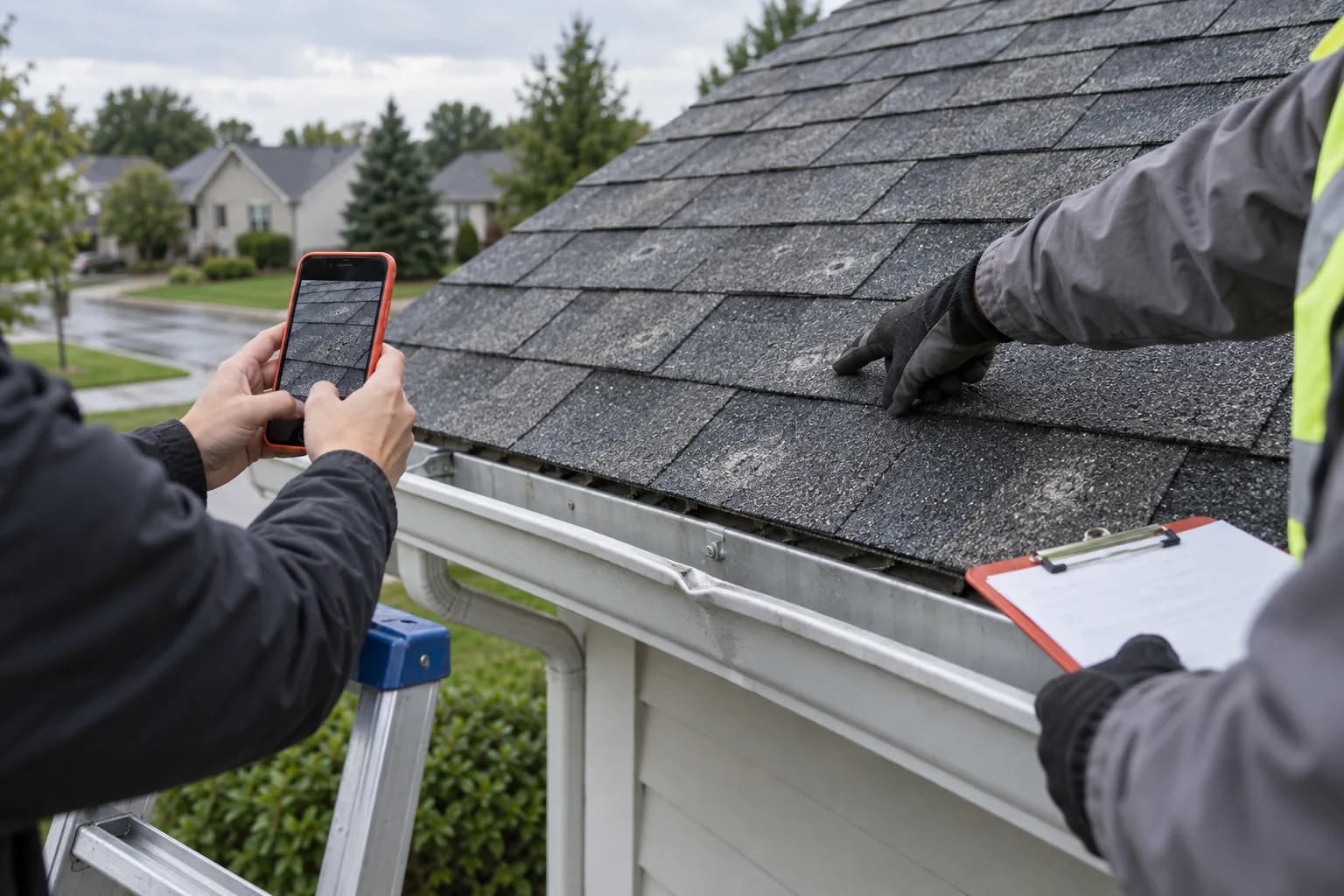
Roof Insurance Claim: Documentation and Estimate Checklist
A step-by-step homeowner workflow for documenting storm damage, reading ACV and replacement-cost payments, and reconciling the insurer's scope with roofing bids.
Read guide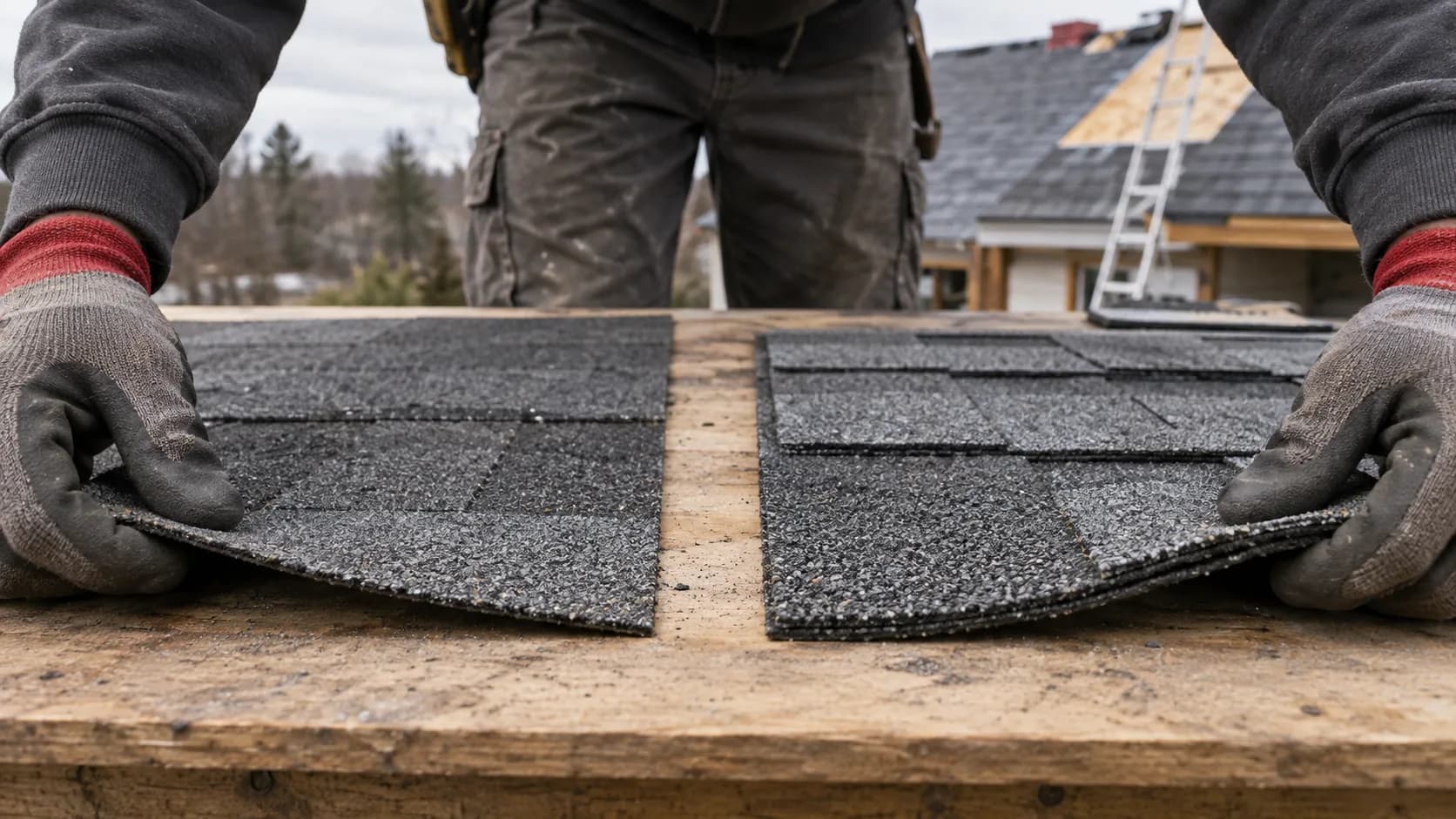
3-Tab vs. Architectural Shingles: Cost and Quote Comparison
Compare 3-tab and architectural asphalt shingles by installed price, wind rating, warranty, roof details, and the line items that make two bids differ.
Read guide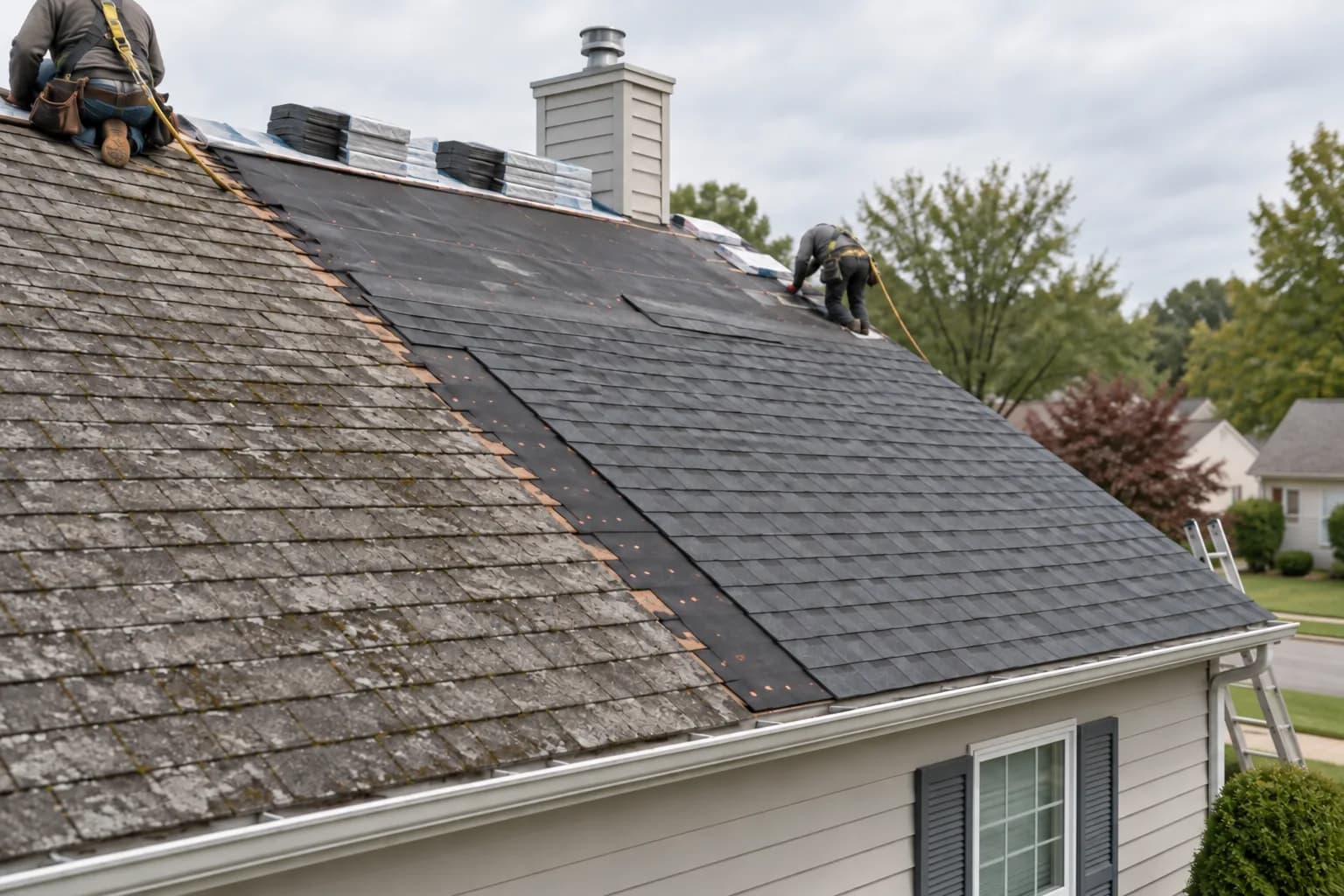
Average Roof Replacement Cost Guide
Detailed breakdown of residential roof replacement costs. Learn how square footage, pitch, and materials impact your final roofing estimate.
Read guide