
Should I buy a heat pump or central air conditioner in 2026?
Heat pumps are becoming the standard for modern climate control. Compare the upfront costs and long-term savings of a Heat Pump versus traditional Central Air.
The short answer
Choose between complete systems, not outdoor-unit labels. A heat pump commonly costs more than AC-only equipment but also provides heating. The better value depends on the existing furnace, winter design temperature, electricity and fuel prices, backup heat, duct condition, and the installer's sizing.
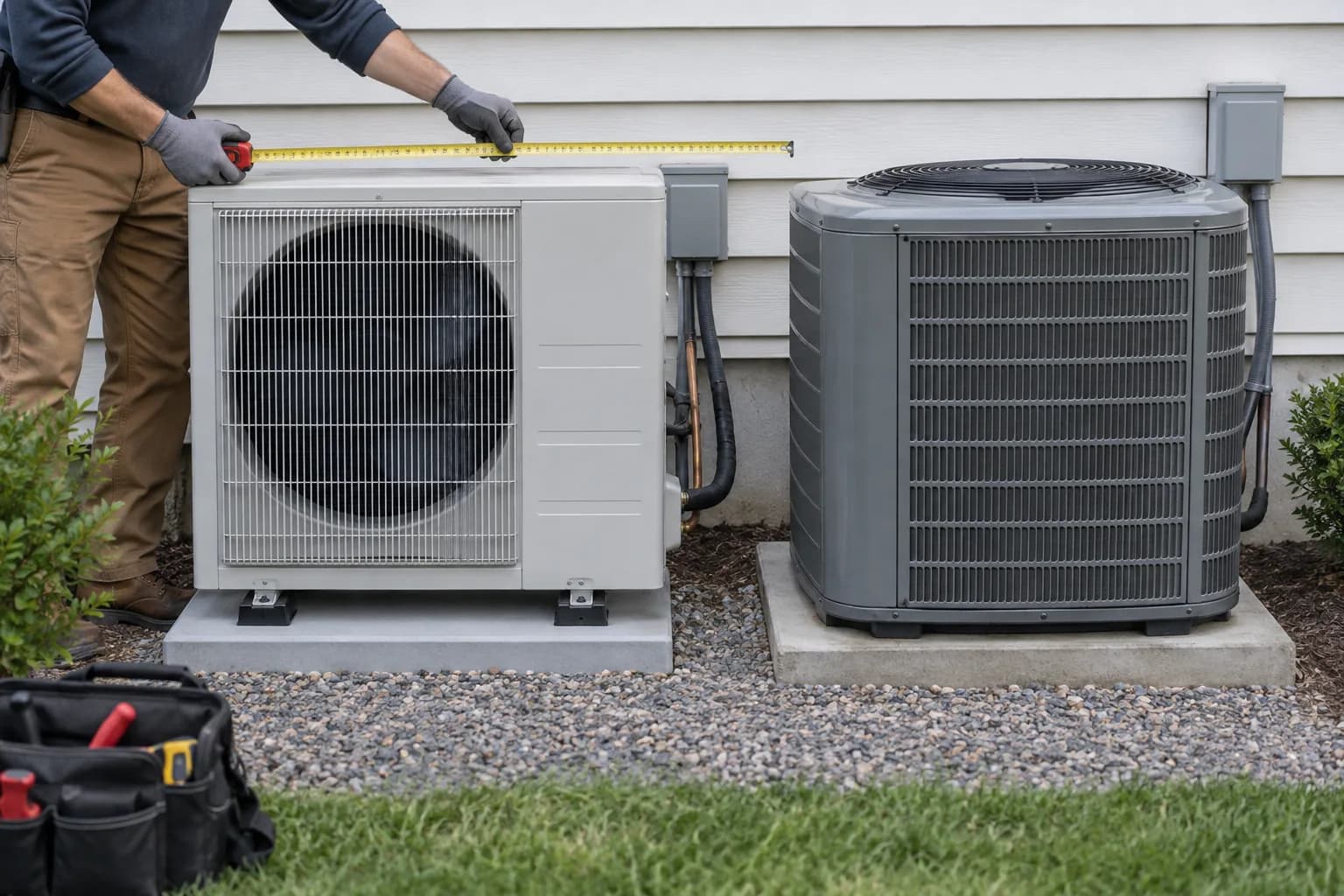
Estimate, not a final quote
This range is for planning. Final pricing depends on an on-site inspection, materials, permits, access, and contractor scope.
Compare written bids
Ask each contractor for the same scope, warranty terms, permit handling, cleanup details, and exclusions before choosing.
Source-backed guidance
Guides use public references and practical cost modeling, then point you to official sources where rules or rebates can change.
This article contains paid links to Amazon. As an Amazon Associate I earn from qualifying purchases.
The decision is not heat pump versus air conditioner in isolation. A central AC provides cooling and relies on a separate furnace or other heat source. A heat pump uses the same refrigeration cycle for cooling and reverses it to provide heating. Compare the complete heating-and-cooling system each proposal leaves you with.
Analyzing the Upfront Costs
Traditional Central AC units are generally cheaper to install upfront, averaging $4,500 - $7,000 for the cooling unit alone. Heat Pumps serve as both the heater and cooler, meaning their initial installation cost is typically higher, ranging from $6,500 to $10,500.
| Question | Central AC plus furnace | Heat pump system |
|---|---|---|
| Cooling | Yes | Yes |
| Heating | Separate furnace or other heat source | Heat pump, sometimes with backup heat |
| Best comparison | AC cost plus the remaining value of the furnace | Complete heat-pump and backup-heat scope |
| Main operating-cost inputs | Electricity for cooling; fuel or electricity for heating | Electricity price, climate, seasonal efficiency, backup heat |
If the existing furnace is young and in good condition, AC-only replacement can preserve useful equipment and lower the immediate cost. If both sides are old, a heat pump may replace more of the system's work and deserves a whole-home operating-cost comparison.
Climate and backup heat
Modern cold-climate heat pumps can operate below freezing, but capacity and efficiency change with outdoor temperature. Ask for the heating balance point, the winter design temperature used, and the proposed backup heat source. “Works in cold weather” is not a design calculation.
Backup may be electric resistance heat, an existing furnace in a dual-fuel system, or another source. Electric strips are simple but can be expensive during long cold periods. Dual fuel can preserve gas heat below a chosen switchover temperature, but adds controls and leaves two systems to maintain.
Ducts, electrical service, and comfort
Both options depend on adequate airflow. A heat pump conversion can also require a different air handler, electrical circuit, condensate plan, thermostat, or refrigerant line. Those supporting changes belong in the quote.
For the comfort discussion, record room temperature and humidity with an indoor thermometer and hygrometer if you have one. Those observations can help explain your concerns to the installer; they do not replace load calculations or airflow testing.
Cooling comfort should be similar when systems are sized and commissioned correctly. Heating air from a heat pump often feels less hot at the register than furnace air but runs for longer cycles; that is normal operation, not weak performance.
Incentives and Credit Status
The federal Section 25C heat-pump credit ended for equipment placed in service after December 31, 2025, so it should not appear in the net cost of a 2026 proposal. State and utility programs are separate. ENERGY STAR's rebate finder can surface local programs, but confirm model eligibility, pre-approval, contractor rules, and payment timing with the program administrator before signing.
Research sources
- IRS: Energy Efficient Home Improvement Credit
- ENERGY STAR Rebate Finder
- ENERGY STAR: Air-Source Heat Pumps
Stop guessing. Get a planning range.
Use our free HVAC cost estimator for a national planning range in seconds.
Compare operating cost with your own rates
Heat pumps move heat rather than generating it directly, which is why they can use far less electricity than resistance heat. Whether they beat a gas furnace in dollars depends on local electricity and fuel prices, equipment efficiency, climate, and backup operation. Ask the contractor for the assumed rates and seasonal performance behind any savings claim.
What belongs in both bids
Require both model numbers, an ACCA Manual J load calculation, the matched-system rating, refrigerant, electrical scope, duct assumptions, permit, startup measurements, warranty, and the backup-heat strategy. Then compare the full installed total and annual operating assumptions.
The full HVAC replacement guide covers shared line items, and the quote checklist gives you a side-by-side specification.
The cost guide
Get the monthly cost briefing
One useful email a month: project cost ranges, contractor red flags, and practical ways to avoid an inflated quote.
No spam. Unsubscribe any time. Read our privacy policy.
Cost estimator
HVAC cost estimator
A budgeting range, not a quote. Move the inputs to see what changes the number.
Estimated national cost
Typical project lands near $8,250.
If a written quote comes in above the high end, that's not automatically wrong — ask what scope is driving it.
What this assumes
- Standard central HVAC replacement scope.
- 1,500 sq ft home size selected.
- No major duct, electrical, or structural repairs included.
What moves this price
- 01Equipment tier, SEER2 rating, and brand.
- 02Ductwork condition and attic or crawlspace access.
- 03Permit requirements, refrigerant changes, and local labor rates.
Walk into your quotes ready
This range is your anchor. Bring these to every contractor conversation so you can tell a fair quote from a padded one.
- What SEER2 rating and tonnage are you quoting, and why that size for my home?
- Is a full load calculation (Manual J) included, or are you sizing by rule of thumb?
- Does the price include new line sets, a permit, and haul-away of the old unit?
- What's the labor warranty, and is it separate from the manufacturer's parts warranty?
- A quote given over the phone without seeing your ductwork or home.
- Pressure to decide today or 'lose' a discount.
- An oversized system pitched as 'more powerful'. Bigger isn't better for comfort.
More hvac guides
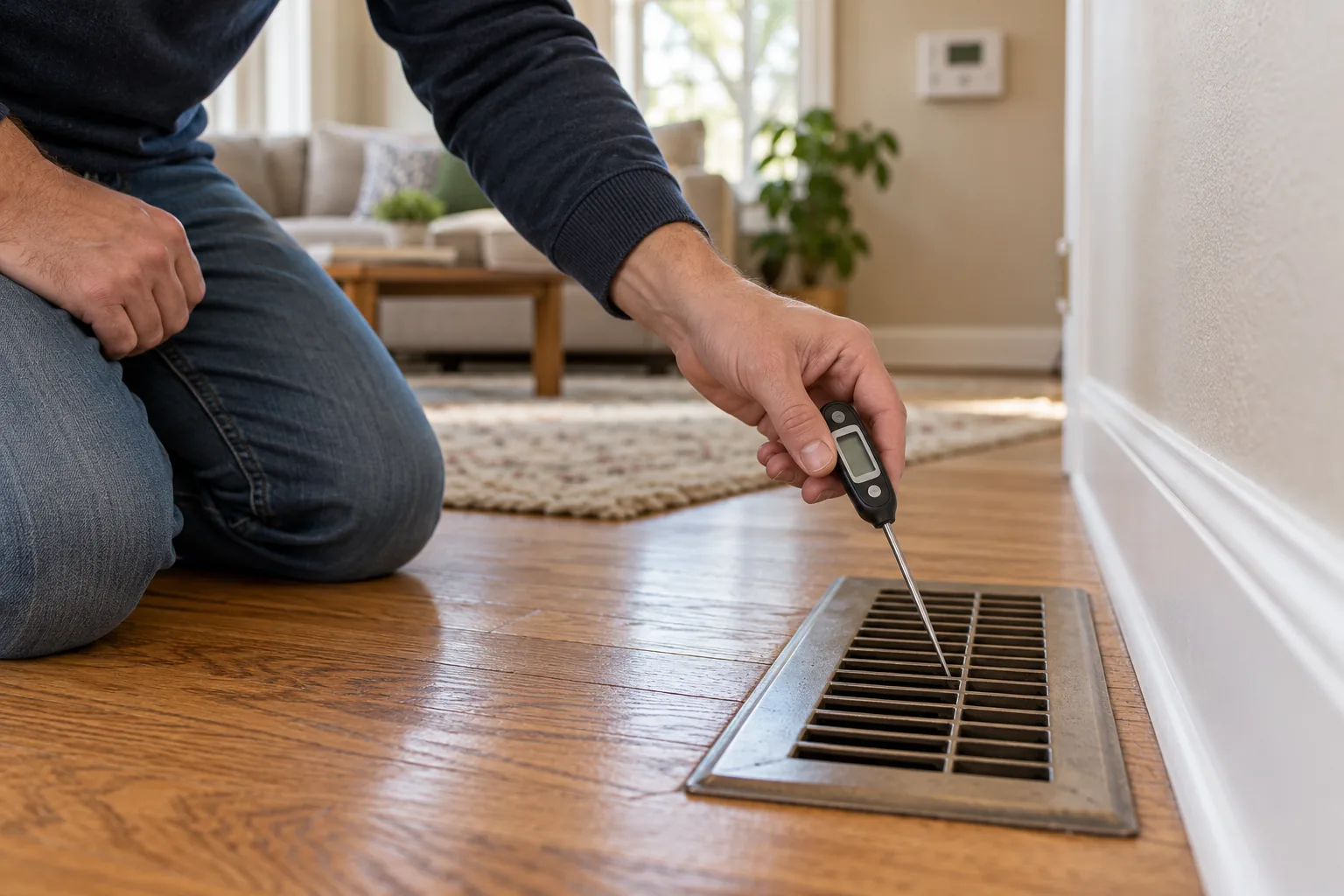
Furnace Blowing Cold Air? Measure the Temperature Rise Before You Call
A working gas furnace heats the air 40 to 70 degrees on many models. A kitchen thermometer tells you whether yours is heating at all, heating then quitting, or losing heat in the ducts.
Read guide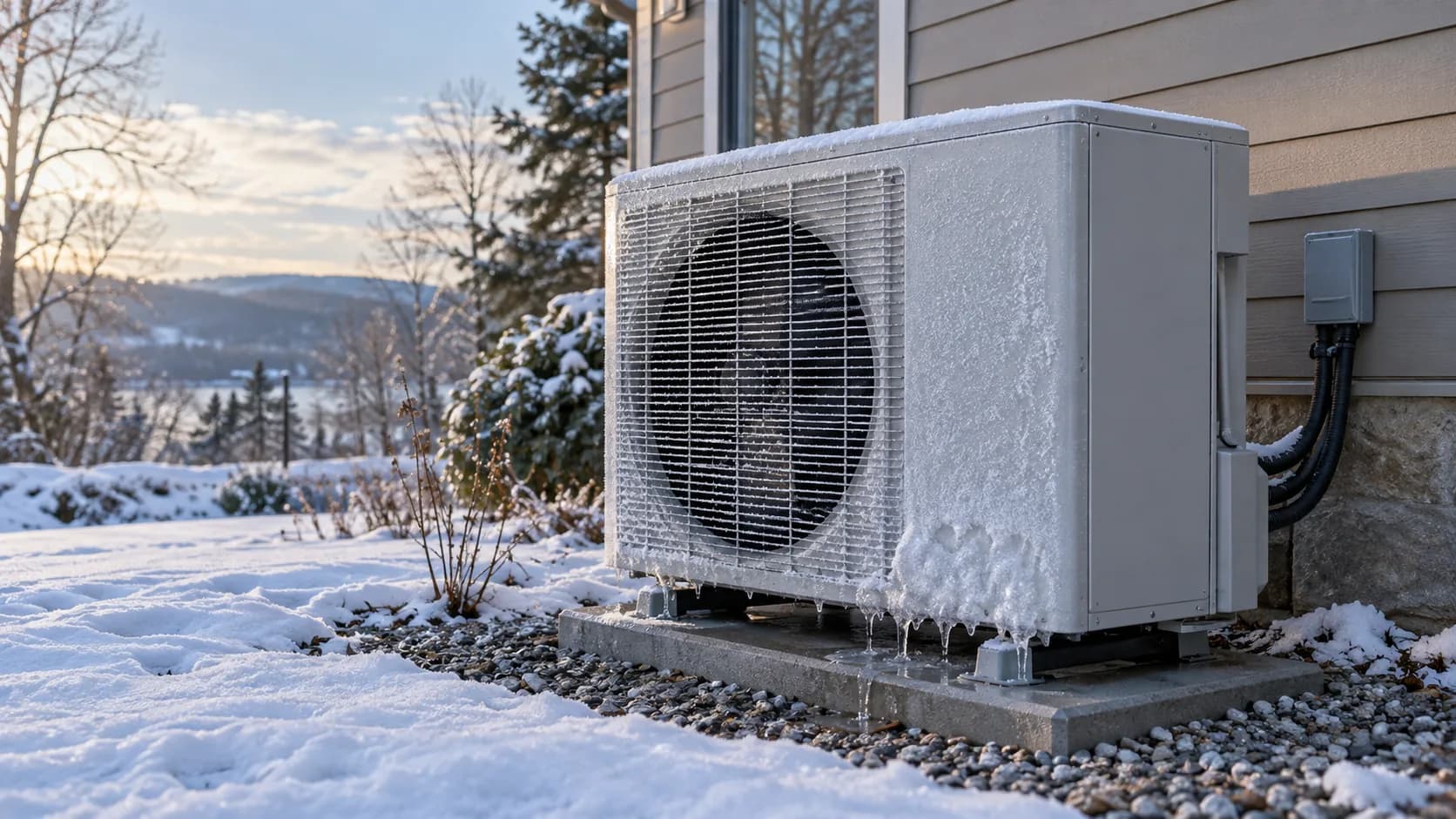
Heat Pump Covered in Ice? Frost Is Normal, a Block Is Not
A thin layer of frost on a heat pump in winter is the defrost cycle waiting to run. Ice that survives a defrost is a failed part. Here's how to tell the two apart.
Read guide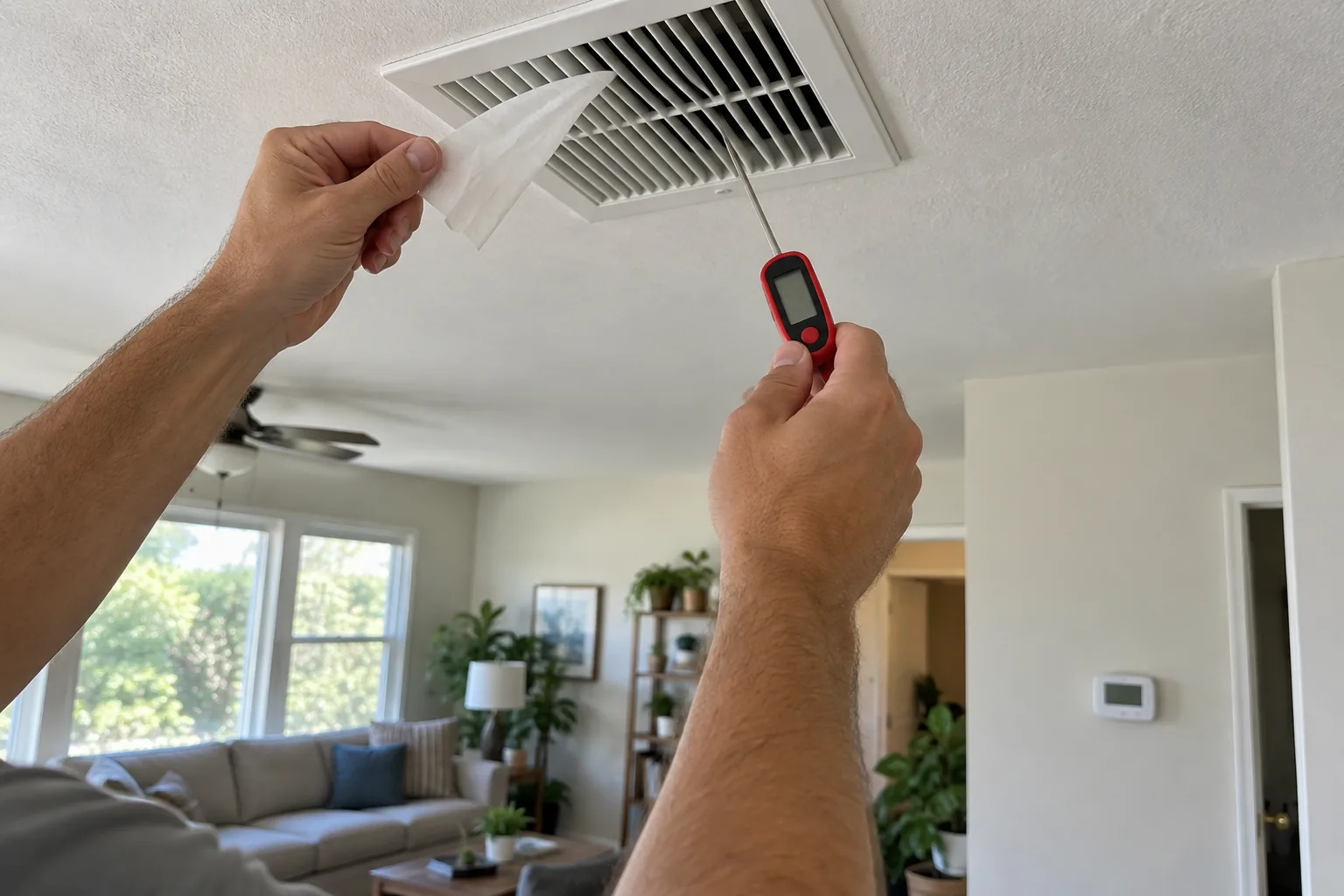
Why Is Your AC Blowing Warm Air? 7 Causes, Ranked by Cost
Warm air from the vents has one of seven causes, and the most common ones are also the cheapest to fix. Here's how to tell which one you have before a technician tells you.
Read guide