
What should I check when my dryer takes longer to dry clothes?
Separate lint-screen care from exhaust-vent maintenance. What you can inspect safely, what to ask a cleaning service, and why a drying problem needs diagnosis.
- Parts
- $0 to inspect
- Time
- 15–30 min
- Avoids
- Restricted exhaust
The short answer
Start with the lint screen, load settings, and the manufacturer's troubleshooting instructions. For a vented dryer, check accessible exhaust connections and the outdoor outlet for restrictions. A vent warning, burning smell, or recurring drying problem needs prompt attention. Use a professional for inaccessible ducts or any work that would disturb a gas connection.
Estimate, not a final quote
This range is for planning. Final pricing depends on an on-site inspection, materials, permits, access, and contractor scope.
Compare written bids
Ask each contractor for the same scope, warranty terms, permit handling, cleanup details, and exclusions before choosing.
Source-backed guidance
Guides use public references and practical cost modeling, then point you to official sources where rules or rebates can change.
This article contains paid links to Amazon. As an Amazon Associate I earn from qualifying purchases.
A second drying cycle is a reason to investigate, not proof that the dryer is worn out. Write down what changed: the load size, cycle setting, drying time, or a warning on the display. That record helps you distinguish an operating issue from an exhaust or appliance fault.
Our rule: check the accessible maintenance items before approving an appliance replacement. This guide concerns dryers that exhaust outdoors. Ventless condenser and heat-pump dryers have different care requirements; use their manuals instead of looking for an outdoor duct.
The lint screen and exhaust are different jobs
USFA recommends cleaning the lint filter before and after each cycle, checking for damaged or restricted venting, and ensuring the outside covering opens during operation. Those checks do not establish that the full duct is clear. See the USFA dryer safety flyer.
Start with the screen and the care instructions for your model. Keep the model number handy before ordering any part or arranging service.
A check you can do without dismantling the dryer
- Read the warning or troubleshooting section. Record the exact message rather than repeatedly clearing it.
- Check the load and cycle settings. Compare the problem with the manual's guidance before deciding which component has failed.
- Look at the accessible exhaust connection. Check for obvious crushing or damage without pulling on the appliance or disconnecting anything.
- Observe the exterior outlet from a safe, ground-level location. Note what you can see for the service technician. Do not climb onto the roof to reach it.
- Book the appropriate inspection if the problem persists. Explain whether you need duct cleaning, appliance diagnosis, or both.
The time estimate is for this inspection. Cleaning a long, concealed duct is a different task.
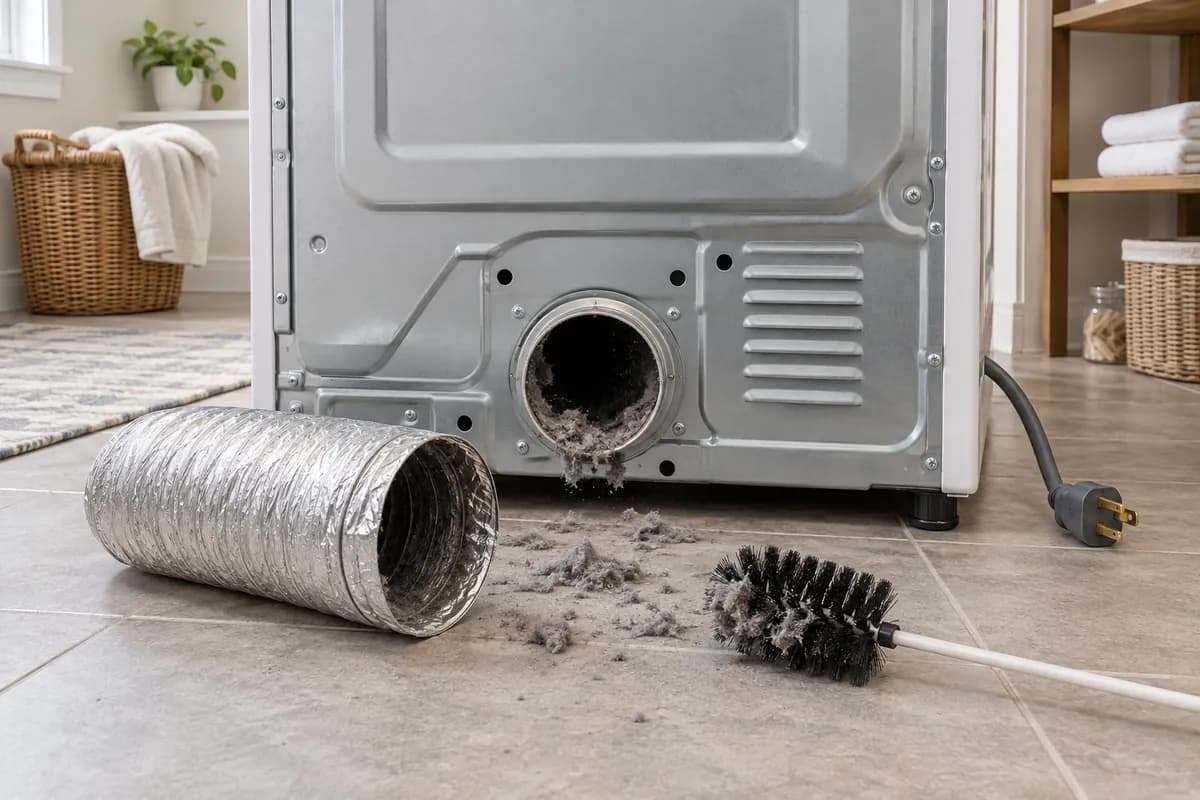
Do not buy a brush kit before knowing the route
Find out where the duct goes and how it can be accessed. A short, accessible run and a duct hidden through several rooms present different jobs. Ask the cleaning provider how they will reach the entire run and how they will check it afterward.
A dryer-vent cleaning brush kit only makes sense once you have confirmed that the duct route is accessible and the kit is suitable for it. For homeowner cleaning, follow both the dryer manufacturer's instructions and the cleaning-tool instructions. If the route or connections are uncertain, use a professional. Do not force a tool into an unknown duct or move a gas dryer if doing so would strain its connection.
What to ask before booking service
| Question | Why ask it |
|---|---|
| Does the quote cover the full exhaust run and exterior outlet? | You need to know which sections are included |
| Is the outlet on a wall or roof, and is access included? | Difficult access can change the scope |
| Will you document damaged or disconnected duct sections? | Cleaning and repair are separate tasks |
| Who reconnects the appliance if it must be moved? | Responsibility should be clear before the visit |
| What happens if drying remains poor afterward? | You may still need appliance diagnosis |
Get a local quote after establishing the route. This guide deliberately assigns no guaranteed repair saving: maintenance may reveal a separate fault rather than remove the need for service.
When to stop using the dryer
A burning smell, visible scorching, or a recurring vent warning deserves attention before another load. Follow the manufacturer's shutdown instructions and arrange professional service. If there is smoke or fire, leave and call emergency services. If you smell gas, leave and contact the gas utility or emergency services from outside.
For routine care, keep the service record beside your home-maintenance checklist. USFA also recommends professional installation and servicing. A recurring problem is a reason to obtain a diagnosis, not keep extending the cycle.
Research source
The cost guide
Get the monthly cost briefing
One useful email a month: project cost ranges, contractor red flags, and practical ways to avoid an inflated quote.
No spam. Unsubscribe any time. Read our privacy policy.
More maintenance guides
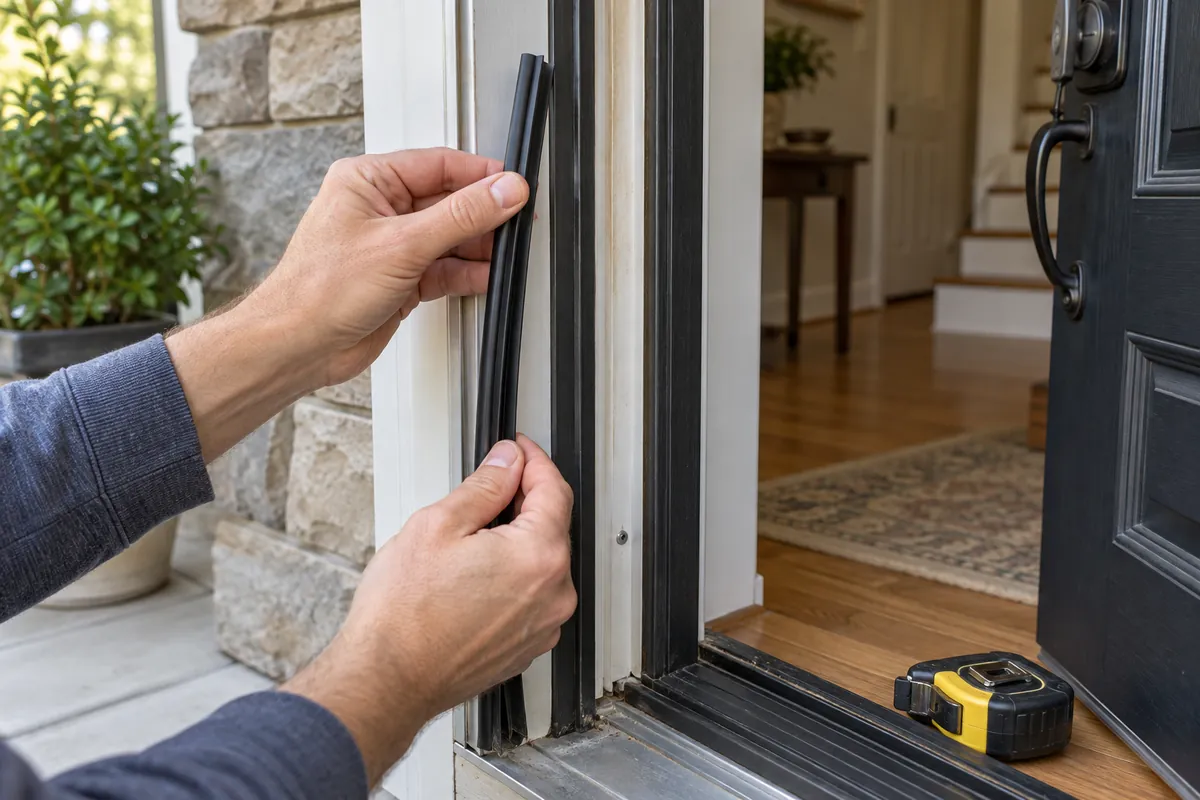
Drafty Front Door? Measure the Gap Before Buying a New One
Separate a worn door seal from an alignment or threshold problem. Match weatherstripping to the opening and check that the door still closes properly.
Read guide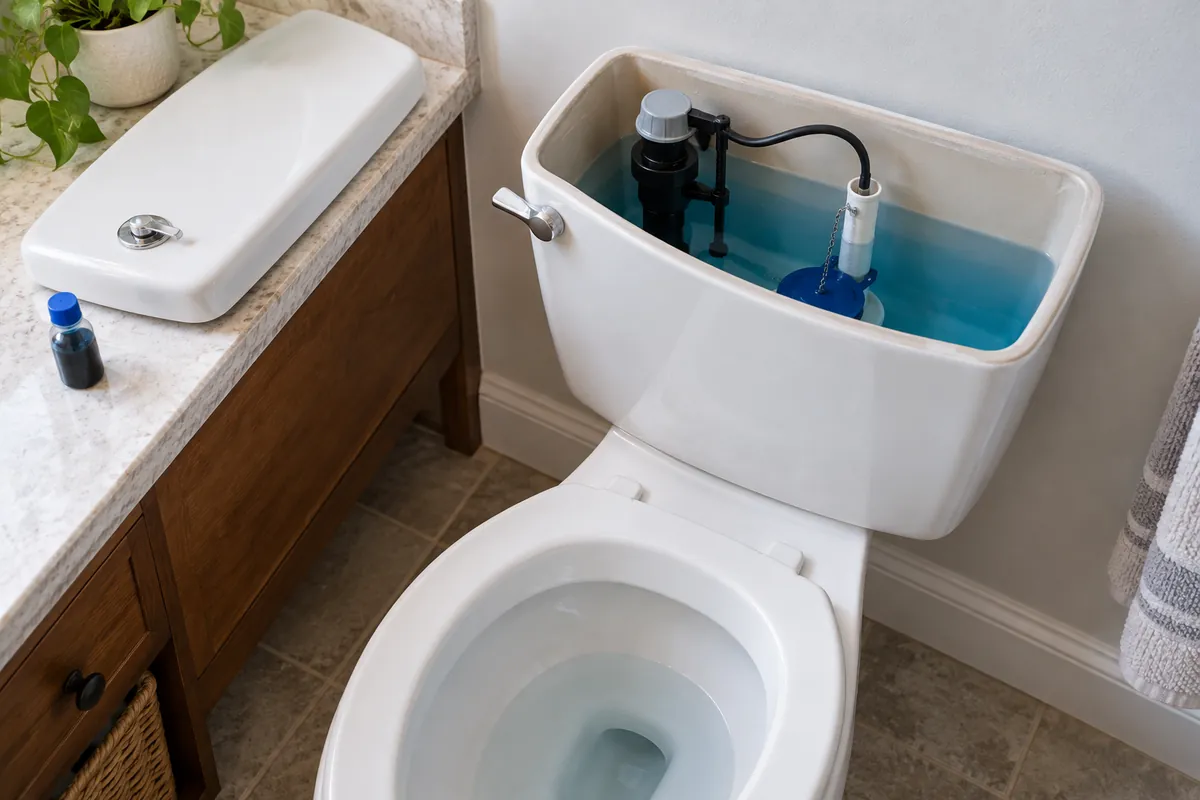
The Ten-Minute Toilet Check Before Your Next Water Bill
A toilet can waste water without leaving a puddle. Use a simple dye test, identify the flush mechanism, and buy a matching seal only after diagnosis.
Read guide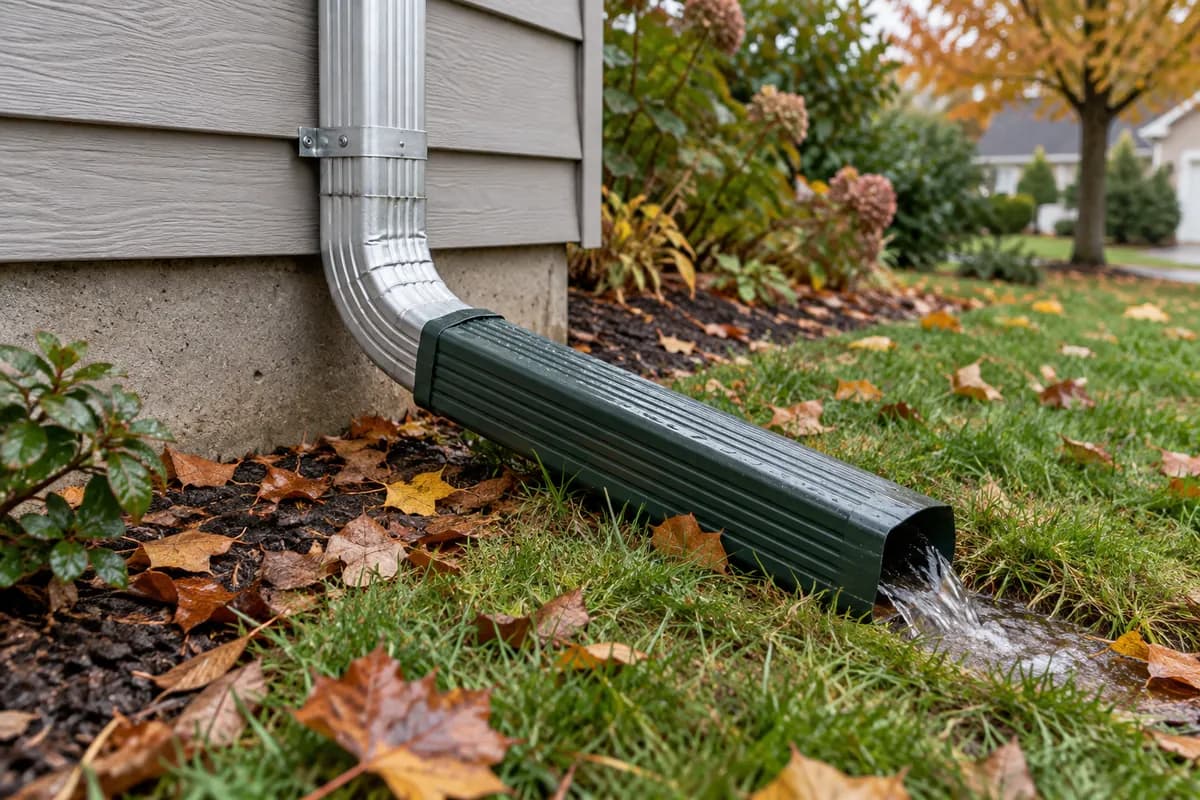
Before You Pay for a Leak Repair, Check the Downspouts
A gutter is only useful if its water reaches somewhere safe. Check overflow, loose connections, and discharge points from the ground before buying a fix.
Read guide