
Can I fix a drafty exterior door with weatherstripping?
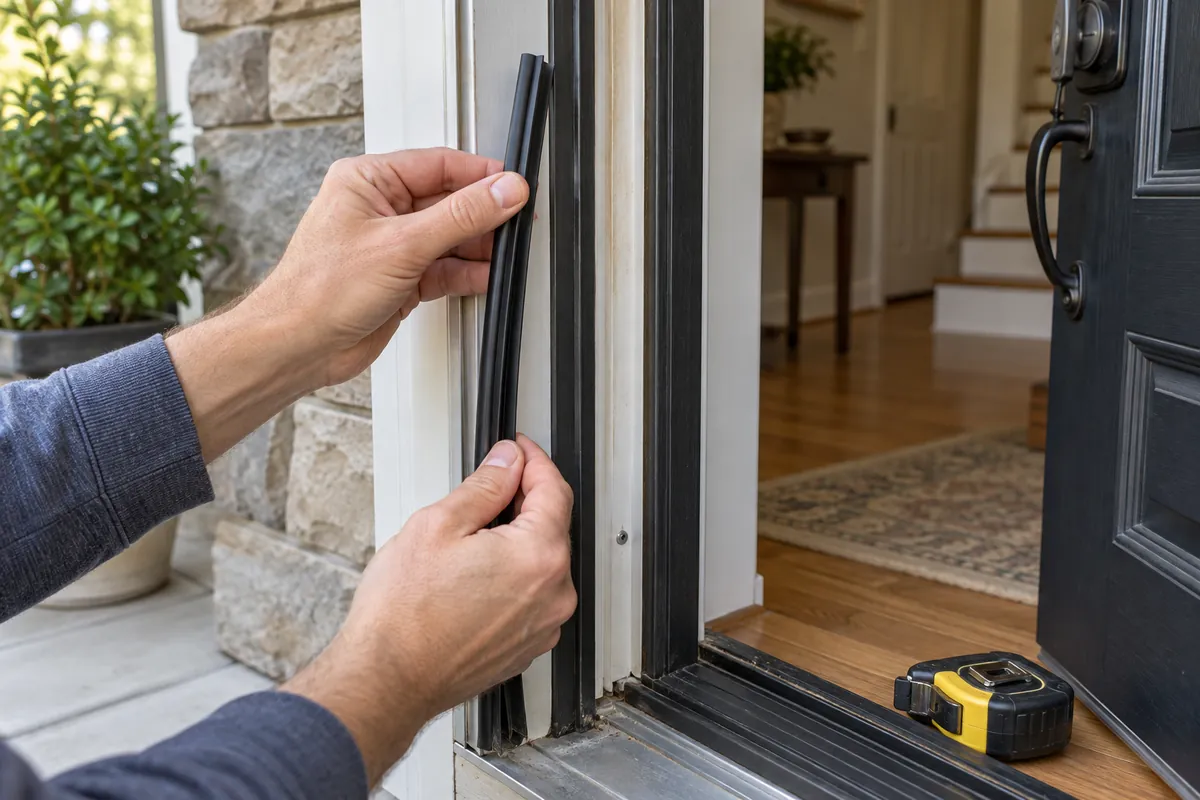
Separate a worn door seal from an alignment or threshold problem. Match weatherstripping to the opening and check that the door still closes properly.
- Parts
- Match the seal
- Time
- 45–90 min
- Avoids
- Heat loss
The short answer
Often, if the door and frame are sound and the draft comes through a worn perimeter seal or bottom sweep. Locate the gap, measure it, and identify the existing seal profile before buying. Weatherstripping belongs at moving joints; caulk belongs at suitable stationary gaps. Stop if the door binds, will not latch, or shows water damage, because a thicker seal does not fix those problems.
Estimate, not a final quote
This range is for planning. Final pricing depends on an on-site inspection, materials, permits, access, and contractor scope.
Compare written bids
Ask each contractor for the same scope, warranty terms, permit handling, cleanup details, and exclusions before choosing.
Source-backed guidance
Guides use public references and practical cost modeling, then point you to official sources where rules or rebates can change.
This article contains paid links to Amazon. As an Amazon Associate I earn from qualifying purchases.
A chilly patch near the front door is a reason to inspect the seals before shopping for a whole new entrance. Start with the joint where the door meets the frame, then the bottom edge, then the stationary trim around the opening.
Our rule: the repair should seal the gap while preserving easy closing and latching. If you have to slam the door afterward, the job is not finished.
Locate the gap before picking a product
Close the door normally and look for damaged or missing seals from inside. Note whether the problem is at the top, latch side, hinge side, bottom, or trim. Photograph the existing profile and how it attaches.
| Location | What to inspect | What to compare after inspection |
|---|---|---|
| Top or sides of the moving door | Worn seal, missing section, or uneven fit | A compatible perimeter seal |
| Bottom edge | Sweep condition and threshold fit | The correct sweep or door-bottom assembly |
| Stationary trim joint | Visible gap and condition of surrounding material | A suitable sealant, if the joint is appropriate for it |
| Door rubs or fails to latch | Alignment, hardware, and frame condition | Diagnosis before adding a thicker seal |
The Department of Energy distinguishes weatherstripping for moving joints from caulk for stationary gaps. That distinction matters: sealing a joint with the wrong material can interfere with normal operation.
Build a small, measured shopping list
Use a tape measure to record the lengths you need and compare the existing profile with the door manufacturer's parts information. Do not order by door width alone; attachment method and clearance matter too.
Compare exterior-door weatherstripping only after identifying the seal type. For the bottom, check door sweeps against the threshold and existing attachment. Keep the old piece or a clear photograph for comparison.
There is no universal parts budget: one short seal replacement and a proprietary door-bottom assembly are different purchases. Check current prices for the matched part before deciding whether the repair makes sense.
Fit it, then test the whole door
For a simple replacement, follow the seal and door manufacturer's instructions. Prepare the mounting surface as specified, measure before cutting, and check the fit during installation. DOE's weatherstripping guidance calls for clean, dry surfaces and a seal that compresses when closed while still allowing free operation.
After fitting, open and close the door several times. Check the latch and lock, including whether anyone in the household struggles to operate them. Look again at the original gap. A repair that moves the problem to another edge needs further attention.
When a seal is not the answer
Stop for a sagging door, damaged threshold, soft or stained framing, persistent water entry, or a lock that no longer engages. Avoid covering drainage openings or changing a specialized fire-rated door assembly without appropriate advice.
For drafts at the windows as well, use our drafty-window guide to separate sash seals from frame gaps. Add the completed door check to your fall maintenance checklist.
Research sources
- DOE: Air-Sealing Essentials — air-sealing guidance; this article makes no tax-credit eligibility claim.
- DOE: Weatherization guidance, including weatherstripping (PDF)
- DOE: Install Weatherstripping on an Exterior Door
The cost guide
Get the monthly cost briefing
One useful email a month: project cost ranges, contractor red flags, and practical ways to avoid an inflated quote.
No spam. Unsubscribe any time. Read our privacy policy.
More maintenance guides
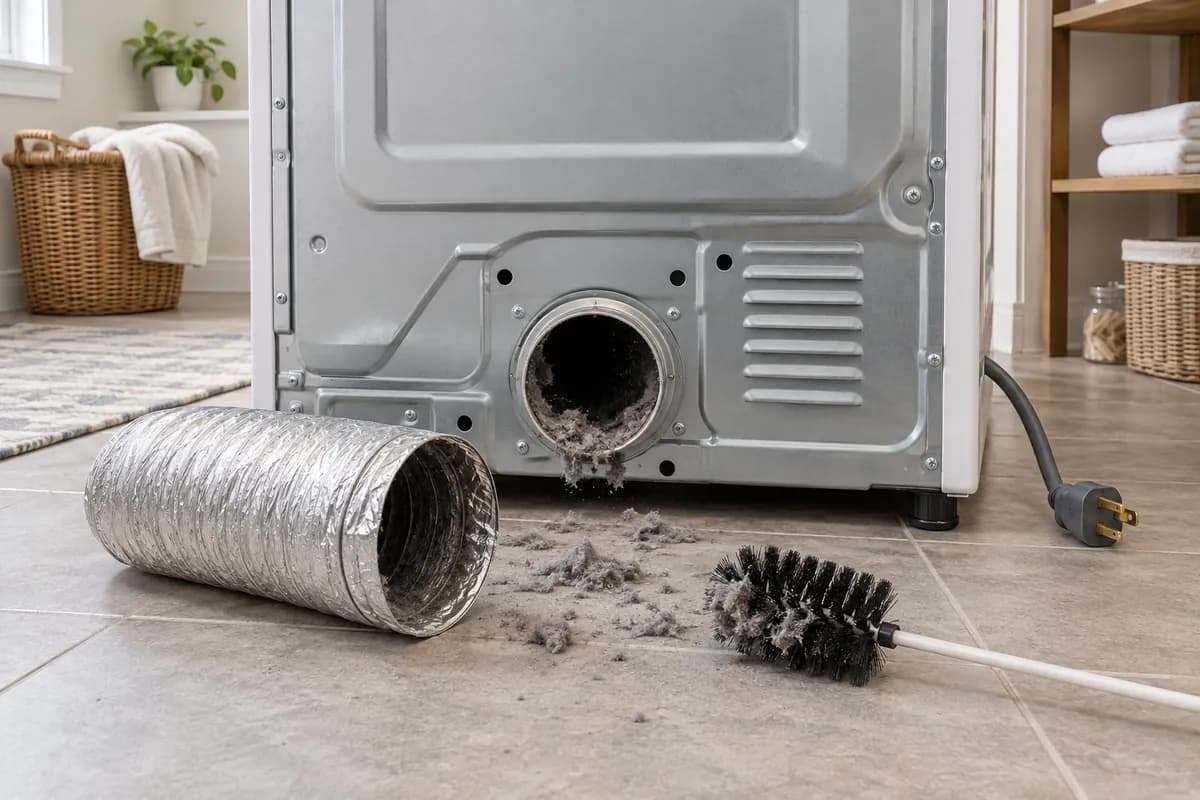
Dryer Taking Two Cycles? Check the Vent Before Replacing It
Separate lint-screen care from exhaust-vent maintenance. What you can inspect safely, what to ask a cleaning service, and why a drying problem needs diagnosis.
Read guide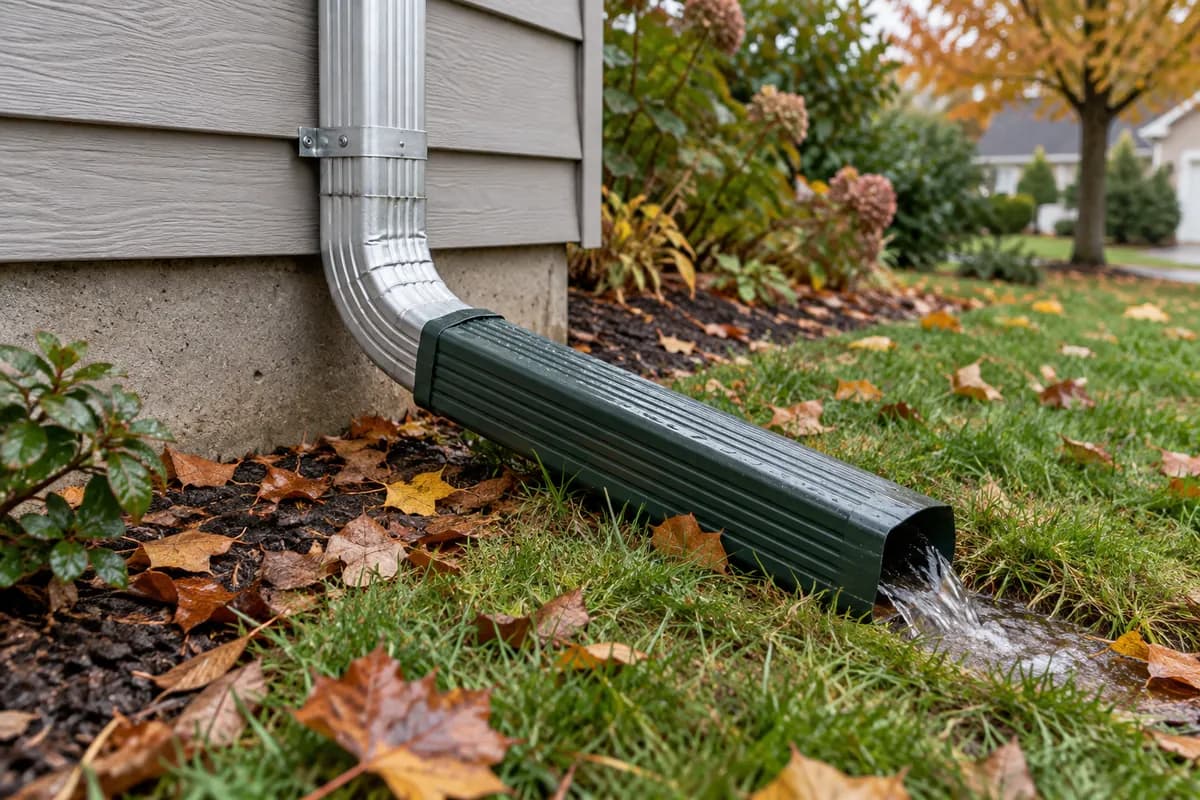
Before You Pay for a Leak Repair, Check the Downspouts
A gutter is only useful if its water reaches somewhere safe. Check overflow, loose connections, and discharge points from the ground before buying a fix.
Read guide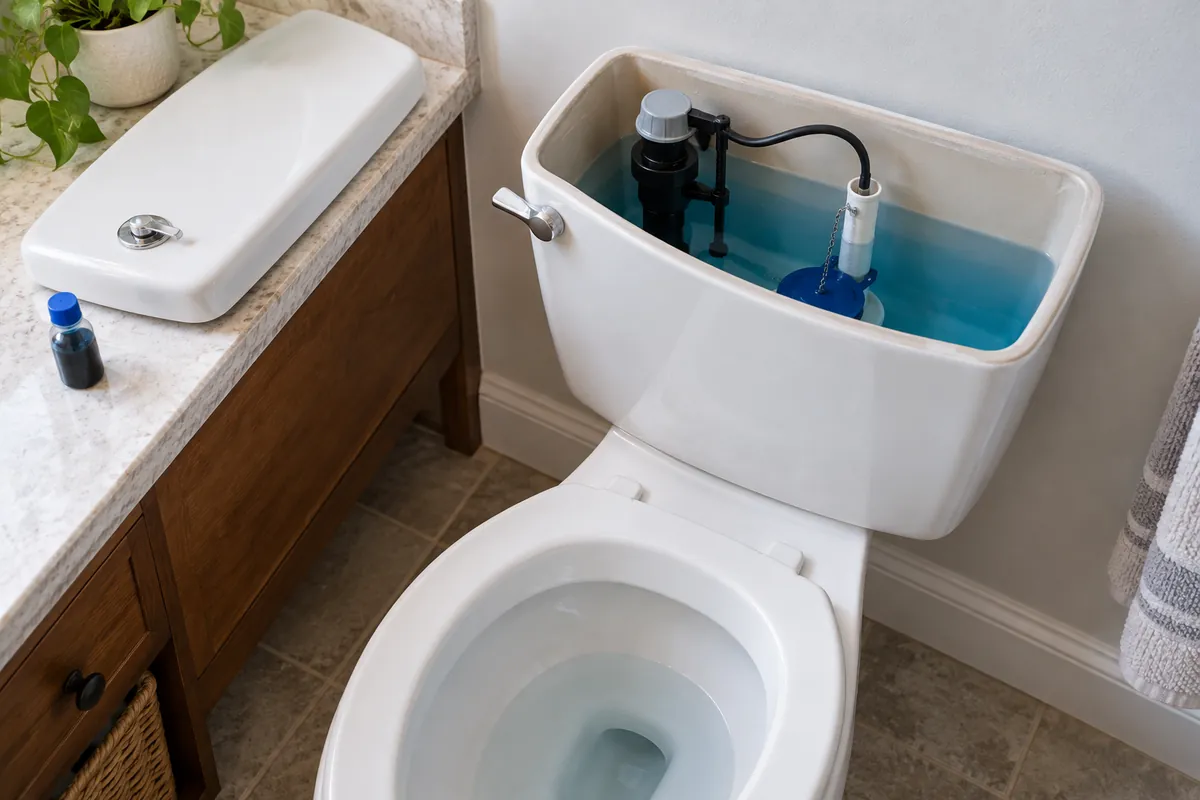
The Ten-Minute Toilet Check Before Your Next Water Bill
A toilet can waste water without leaving a puddle. Use a simple dye test, identify the flush mechanism, and buy a matching seal only after diagnosis.
Read guide