
How can I check whether my toilet is leaking silently?
A toilet can waste water without leaving a puddle. Use a simple dye test, identify the flush mechanism, and buy a matching seal only after diagnosis.
- Parts
- $0 with food dye
- Time
- 10–15 min
- Avoids
- Wasted water
The short answer
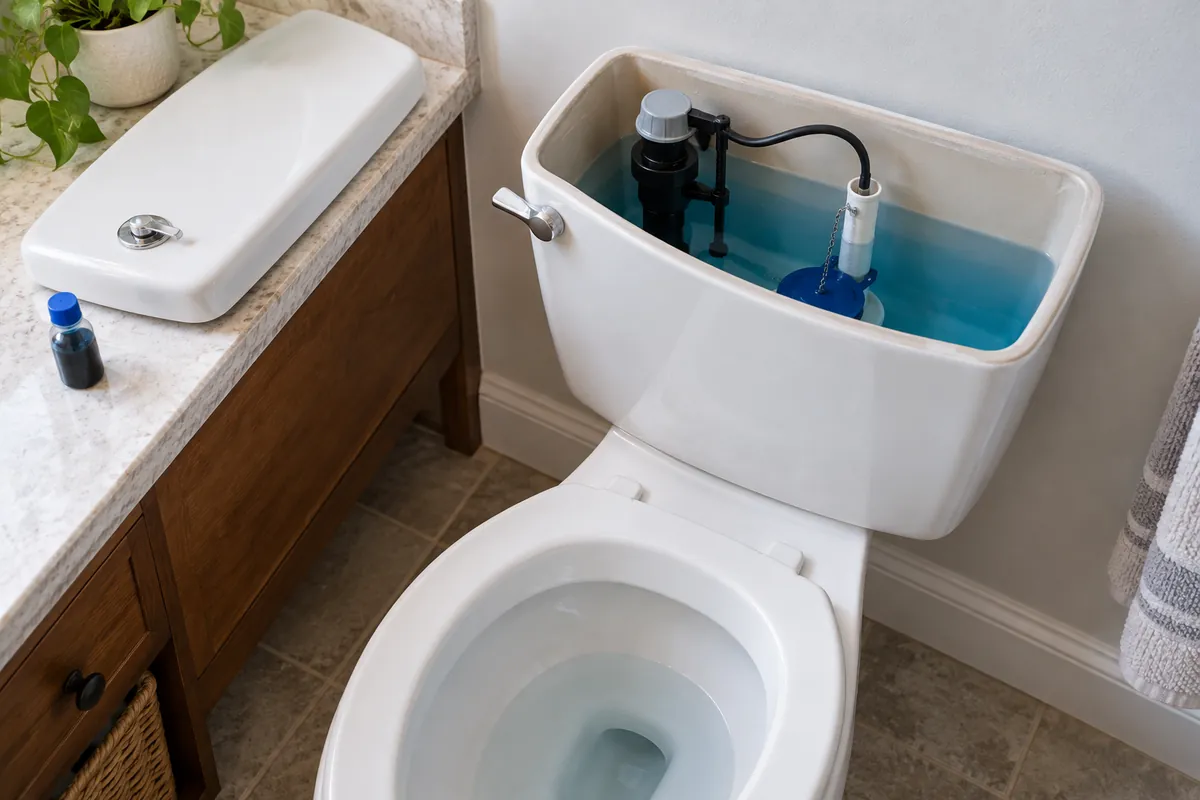
For a conventional tank toilet, EPA recommends adding a few drops of food coloring to the tank and waiting ten minutes without flushing. Color appearing in the bowl means water is escaping from the tank. Flush immediately after the test to prevent staining. Identify the toilet and flush mechanism before buying a replacement seal; a positive test does not prove that every running toilet needs the same part.
Estimate, not a final quote
This range is for planning. Final pricing depends on an on-site inspection, materials, permits, access, and contractor scope.
Compare written bids
Ask each contractor for the same scope, warranty terms, permit handling, cleanup details, and exclusions before choosing.
Source-backed guidance
Guides use public references and practical cost modeling, then point you to official sources where rules or rebates can change.
This article contains paid links to Amazon. As an Amazon Associate I earn from qualifying purchases.
A water leak does not have to wet the floor. A toilet that refills when nobody has used it is worth checking before you assume the higher bill is just a rate increase.
Our rule: prove the leak, identify the mechanism, then buy the part. A bag labeled “universal repair kit” is not a diagnosis, and replacing a whole toilet is a different decision from replacing a worn seal.
Start with the dye test
For an accessible, conventional tank toilet, EPA's Fix a Leak guidance gives this check:
- Carefully remove the tank lid and put it somewhere stable.
- Add a few drops of food coloring to the tank water.
- Wait ten minutes without flushing.
- Look for color in the bowl. If it appears, water is leaking from the tank.
- Flush immediately after the test to avoid staining, then replace the lid.
Use food coloring you already own. Toilet leak-detection tablets are another option; follow their instructions rather than guessing the dose. Concealed tanks and unusual flush systems may need a different procedure from the manufacturer.
Record the result before shopping
| Observation | What to do next |
|---|---|
| Color reaches the bowl | Look up the toilet's flush mechanism and troubleshooting instructions |
| Refill sound returns after the test | Record when it happens and share the result with a plumber or parts supplier |
| No color appears, but the bill is still high | Check other fixtures rather than treating this test as a whole-house clearance |
| Water is on the floor | Investigate an external leak separately; the dye test does not locate it |
Write down the model number and take a photo inside the tank. Bring both to the parts counter or compare them with the manufacturer's diagram. Keep the test result with the date so you can repeat it after a repair.
Match the seal to the toilet
EPA identifies worn flappers as a common leak source and recommends matching the replacement to the toilet model. Some tanks use a flapper; others use a canister or another arrangement. Compare replacement flappers and flush-valve seals only after confirming the mechanism, dimensions, and compatible part number.
For a homeowner repair, follow the exact product instructions, including shutting off the water where required. Do not force a stuck shutoff valve or improvise an adjustment around an unfamiliar mechanism. Retest after the repair instead of assuming a new part has solved it.
Check whether the saving shows up
The financial benefit depends on the leak rate and your local water and sewer charges. There is no honest fixed dollar saving for this test. Compare water usage across similar billing periods, accounting for irrigation, guests, or other changes.
Before buying additional tools, check our first-home toolkit. The test itself needs no wrench or power tool.
When to call a plumber
Get help for a seized valve, cracked tank, water at the base, unfamiliar concealed system, or a leak that persists after a correctly matched repair. If water is escaping onto the floor, prioritize stopping the leak safely and protecting the room rather than waiting for another test.
Research source
The cost guide
Get the monthly cost briefing
One useful email a month: project cost ranges, contractor red flags, and practical ways to avoid an inflated quote.
No spam. Unsubscribe any time. Read our privacy policy.
More maintenance guides
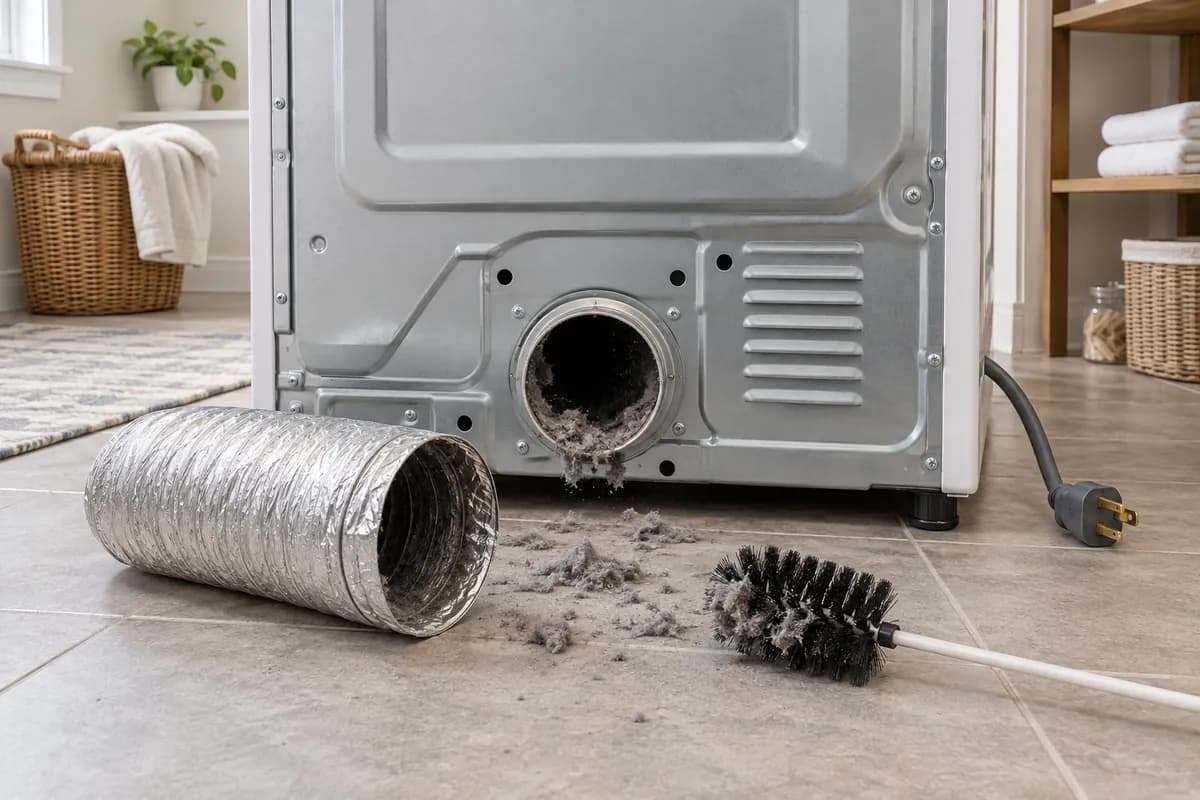
Dryer Taking Two Cycles? Check the Vent Before Replacing It
Separate lint-screen care from exhaust-vent maintenance. What you can inspect safely, what to ask a cleaning service, and why a drying problem needs diagnosis.
Read guide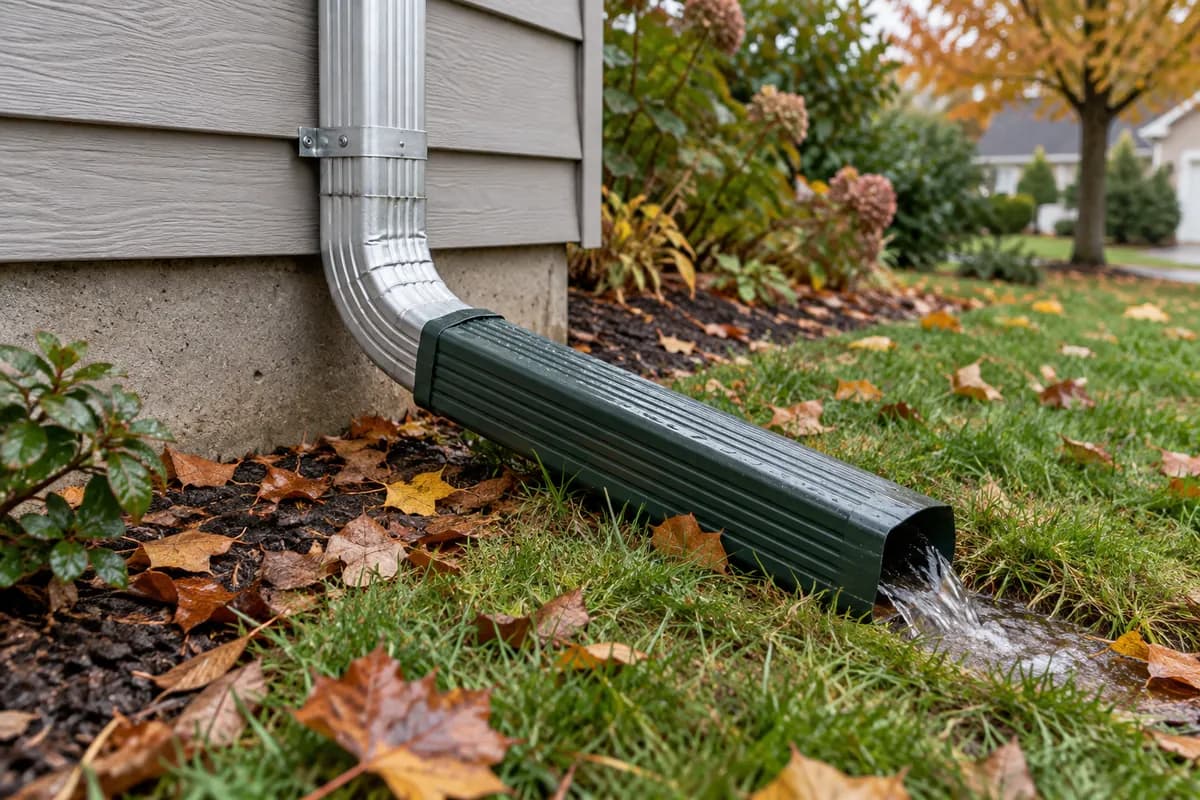
Before You Pay for a Leak Repair, Check the Downspouts
A gutter is only useful if its water reaches somewhere safe. Check overflow, loose connections, and discharge points from the ground before buying a fix.
Read guide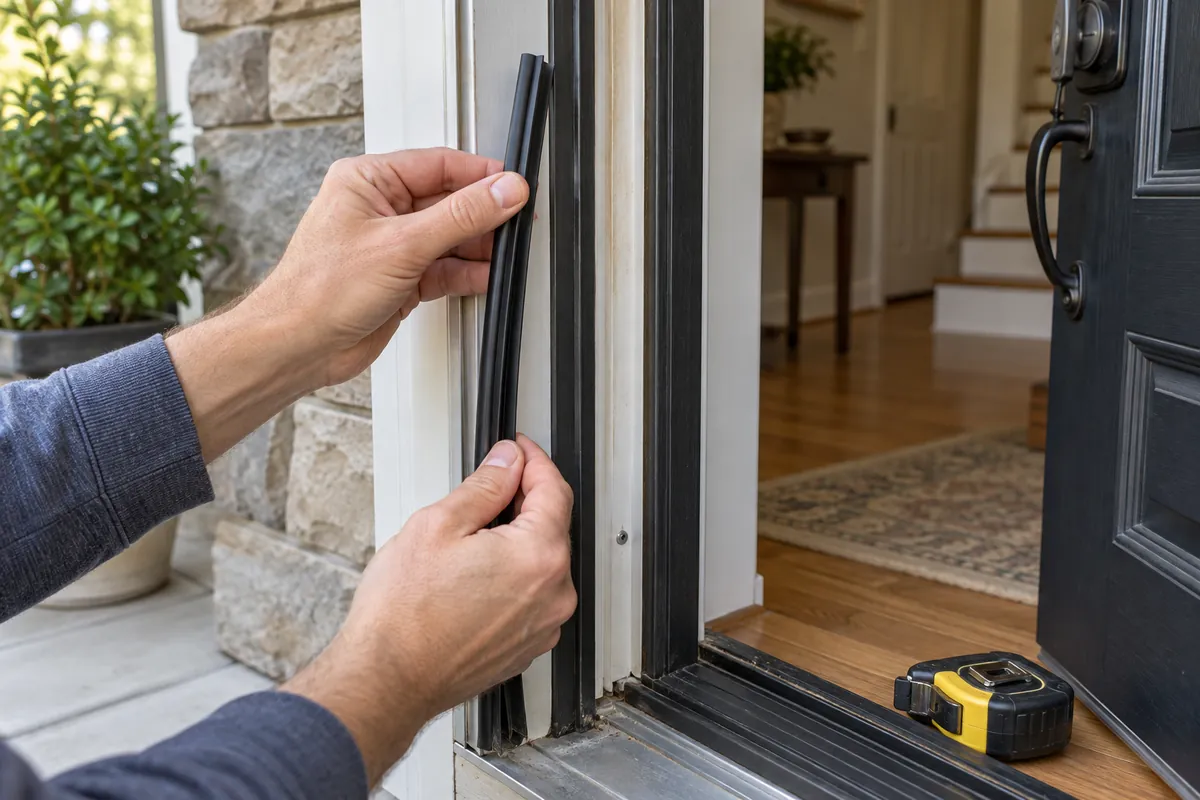
Drafty Front Door? Measure the Gap Before Buying a New One
Separate a worn door seal from an alignment or threshold problem. Match weatherstripping to the opening and check that the door still closes properly.
Read guide