
What tools do you actually need for a first house?
Twelve tools, bought once, no 200-piece kit. What each one is actually for, what it should cost, and the three things everyone buys that you should skip.
- Parts
- ~$170 once
- Time
- one shopping trip
- Avoids
- $150+ per call
The short answer
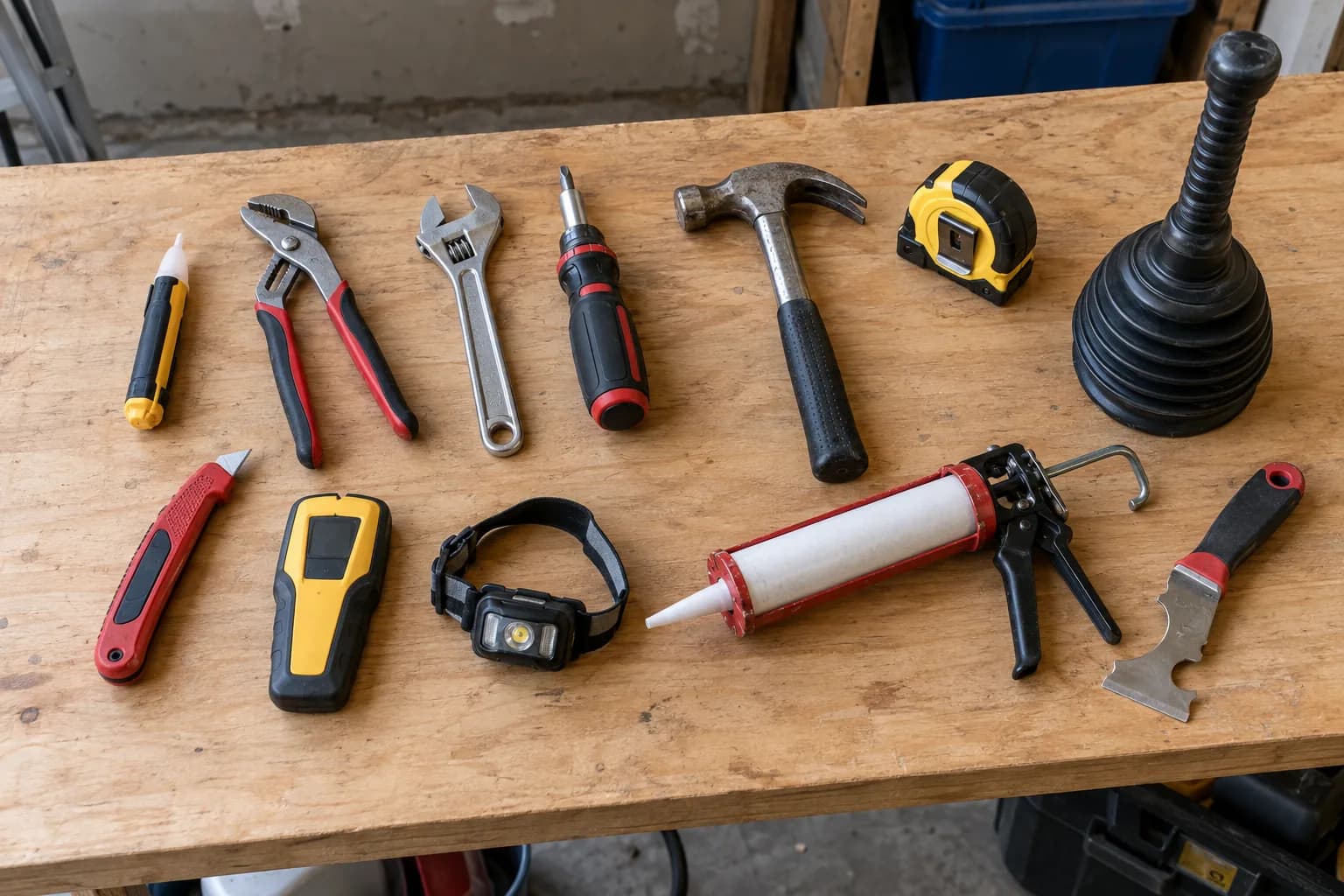
Twelve items, about $170 bought new and name-brand: voltage tester, tongue-and-groove pliers, adjustable wrench, ratcheting screwdriver, 16 oz hammer, tape measure, utility knife, stud finder, headlamp, caulk gun with a good silicone, 5-in-1 painter's tool, and an accordion plunger. Skip the 200-piece gift kits; they're 190 pieces of drawer filler around 10 tools worse than these.
Estimate, not a final quote
This range is for planning. Final pricing depends on an on-site inspection, materials, permits, access, and contractor scope.
Compare written bids
Ask each contractor for the same scope, warranty terms, permit handling, cleanup details, and exclusions before choosing.
Source-backed guidance
Guides use public references and practical cost modeling, then point you to official sources where rules or rebates can change.
This article contains paid links to Amazon. As an Amazon Associate I earn from qualifying purchases.
Most "essential tools" lists are either a 40-item fantasy garage or an affiliate dump of whatever pays best. This is neither: it's the shortest list that covers the maintenance in our other guides (filter swaps, anode rods, leak triage, caulk lines, mounting, minor drain and toilet work), plus the honest "skip this" list.
The math that justifies it: a handyman's minimum call-out in most metros is $100–$200 before parts. This kit pays for itself the first weekend it prevents one of those.
The twelve
| Tool | Typical price | The jobs it earns its spot with |
|---|---|---|
| Non-contact voltage tester (Klein NCVT-3) | $25 | The tool that keeps you alive. Confirms a switch, outlet, or fixture is actually dead before you touch it. Non-negotiable. |
| Tongue-and-groove pliers, 10–12" (Channellock 430) | $28 | Supply-line nuts, P-traps, showerheads, the drain valve in the anode rod job. The most-used tool on this list. |
| Adjustable wrench, 10" | $18 | The second jaw for every plumbing job: one holds, one turns. |
| Ratcheting multi-bit screwdriver (Megapro or Klein) | $28 | Outlet covers, hinges, thermostats, appliance panels. One handle, 12 bits, no drawer of stripped drivers. |
| 16 oz claw hammer | $15 | Hanging, tapping, pulling. Smooth face, steel or fiberglass handle. |
| 25' tape measure (Stanley PowerLock) | $12 | Everything. Buy the classic, not the laser gadget. |
| Utility knife + spare blades | $10 | Paint-sealed windows, boxes, weatherstripping, drywall scoring. |
| Stud finder (Franklin ProSensor or a $12 magnet type) | $12–$45 | TVs, shelves, anything heavier than a picture frame. The magnet type never lies; it's just slower. |
| Headlamp | $15 | Every real problem lives somewhere dark: under sinks, in the attic, behind the water heater. Beats phone-in-teeth by a mile. |
| Caulk gun + GE Advanced Silicone (kitchen & bath) | $18 | A $9 tube of silicone is the cheapest water-damage insurance sold. Re-caulk tubs and sinks the weekend the old line goes dark. |
| 5-in-1 painter's tool | $9 | Scraper, gouge-filler, roller-cleaner, can-opener, caulk-line stripper. Absurd value per dollar. |
| Toilet plunger (Korky Beehive Max) | $12 | The flat red one doesn't work on toilets. This shape does, first plunge, and it's the difference between $12 and a $150 drain call. |
Planning budget: roughly $170–$230, depending on the tools and stud finder you choose. The table gives general retail budgeting estimates, not current Amazon offers. Check current prices and specifications at the retailer before buying.
Skip these (for now)
- The 150–200 piece "household tool kit." The pliers are stamped mush, the driver strips screws, and 80% of the pieces never leave the case. The twelve above beat it at everything and cost about the same.
- A pipe wrench. Feels essential; isn't. Modern homes have almost nothing a tongue-and-groove doesn't handle, and on anything a pipe wrench is needed for, you're near the stop-and-call-a-pro line anyway.
- An oscillating multi-tool, wet/dry vac, laser level. All genuinely useful, the day a specific project demands them. Buy tools when a job asks for them, not in advance.
The first upgrade
When a project finally demands holes in things: a 12V or 18V drill/driver ($70–$130 for a Ryobi, or DeWalt/Milwaukee on sale) is the only power tool most homeowners need for years. Buy it with the project that needs it, and stay inside one battery platform from that day on. Batteries, not tools, are where the money goes.
The rule that keeps this honest
If a job involves gas lines, the electrical panel, refrigerant, structural cuts, or walking a roof, the toolkit's job is done and the phone takes over. The kit exists to handle the routine 80%, and to keep you calm and informed when pricing out the other 20%.
Research sources
- ESFI: Electrical Safety Foundation International. Why a non-contact voltage tester is the one non-negotiable item on the list.
- FTC: How to Avoid a Home Improvement Scam. For the jobs where the toolkit's role ends and a contractor's begins.
Product names are examples to help you compare tool types. Buy for the task you have and check fit, specifications, and current retailer pricing before ordering.
The cost guide
Get the monthly cost briefing
One useful email a month: project cost ranges, contractor red flags, and practical ways to avoid an inflated quote.
No spam. Unsubscribe any time. Read our privacy policy.
More maintenance guides
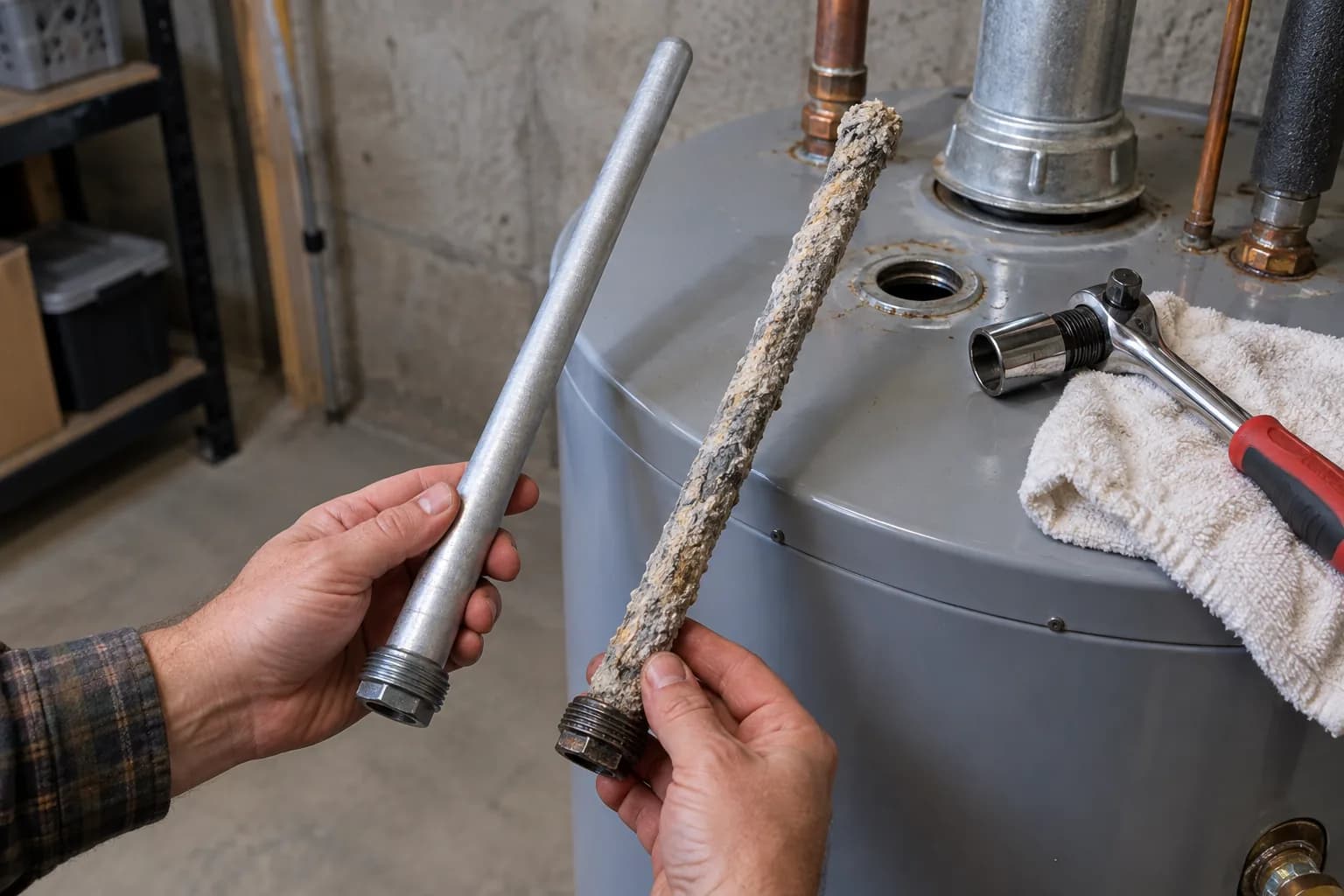
The $25 Rod That Decides When Your Water Heater Dies
Every tank water heater ships with a sacrificial anode rod that quietly rusts away so the tank doesn't. Check it once by year five and you can push a 10-year tank toward 15–20. Skip it and the tank's fate is already scheduled.
Read guide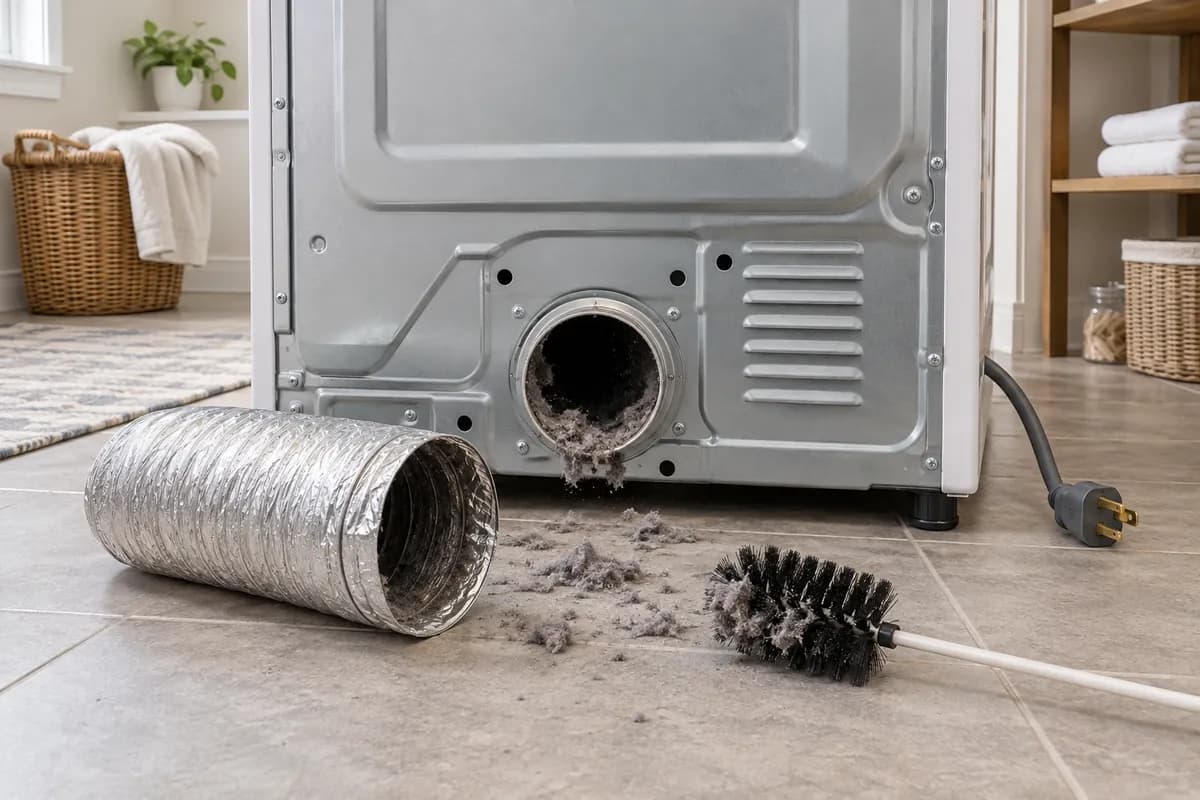
Dryer Taking Two Cycles? Check the Vent Before Replacing It
Separate lint-screen care from exhaust-vent maintenance. What you can inspect safely, what to ask a cleaning service, and why a drying problem needs diagnosis.
Read guide
Fall Home Maintenance: Six Checks Before the First Cold Night
Start with rainwater, heating airflow, and alarms. A practical fall checklist that separates free inspections from purchases and contractor work.
Read guide