
What's the single cheapest way to make a water heater last longer?
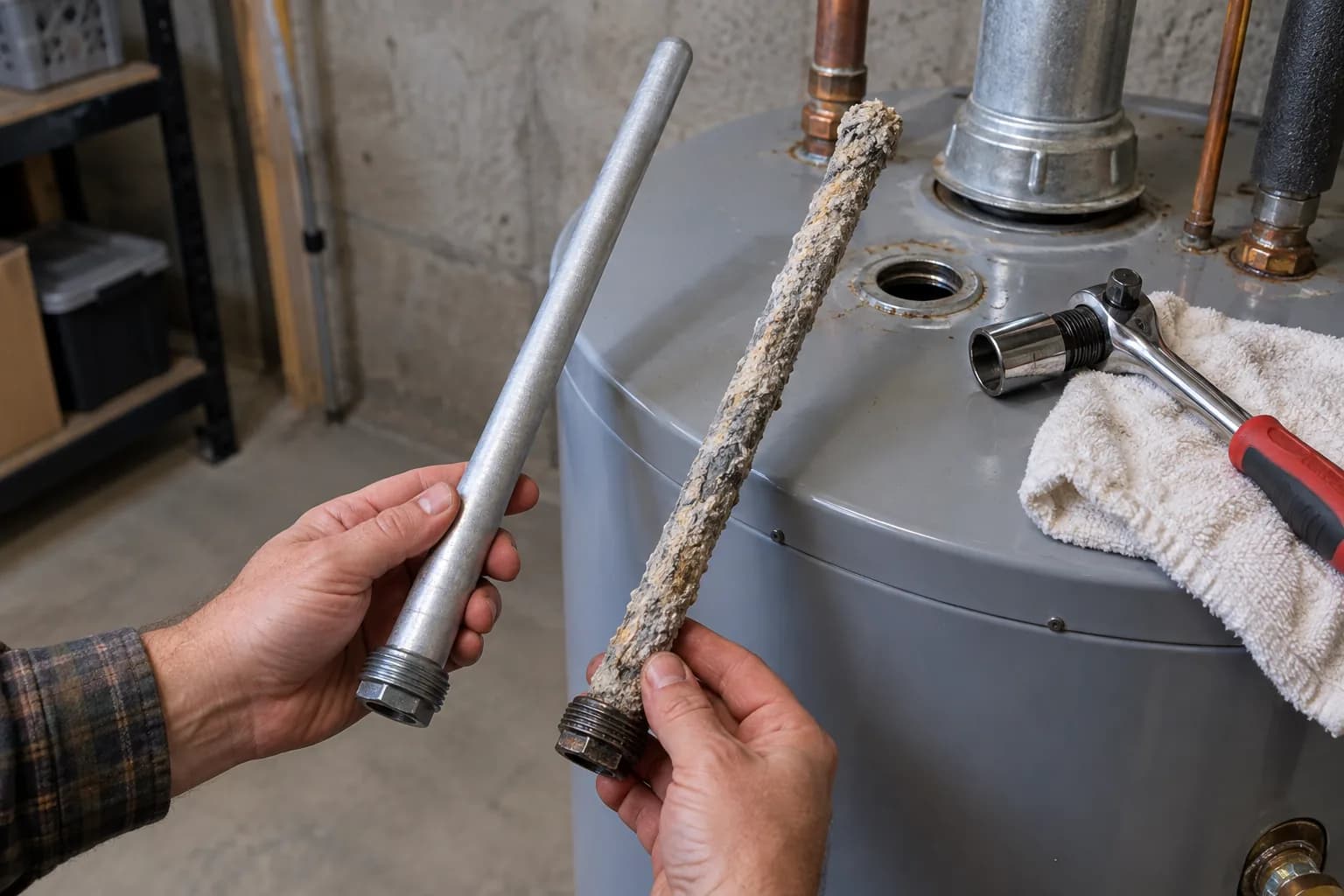
Every tank water heater ships with a sacrificial anode rod that quietly rusts away so the tank doesn't. Check it once by year five and you can push a 10-year tank toward 15–20. Skip it and the tank's fate is already scheduled.
- Parts
- $20–$45
- Time
- 45–60 min
- Avoids
- $900–$1,900
The short answer
Replace the sacrificial anode rod. It's a $20–$45 magnesium rod that corrodes so your tank's steel doesn't. Check it around year 4–5 and swap it when it's mostly eaten; tanks that get a fresh rod routinely run 15–20 years instead of the 8–12 average. Past year 10 with the original rod, skip it and put the money toward the replacement instead.
Estimate, not a final quote
This range is for planning. Final pricing depends on an on-site inspection, materials, permits, access, and contractor scope.
Compare written bids
Ask each contractor for the same scope, warranty terms, permit handling, cleanup details, and exclusions before choosing.
Source-backed guidance
Guides use public references and practical cost modeling, then point you to official sources where rules or rebates can change.
This article contains paid links to Amazon. As an Amazon Associate I earn from qualifying purchases.
Tank water heaters don't die of old age. They die of rust. The steel tank corrodes from the inside until water weeps through the shell, and at that point no one can fix it. The manufacturer knows this, which is why every tank ships with a built-in decoy: a magnesium or aluminum rod threaded into the top that corrodes instead of the tank. Chemistry attacks the most reactive metal first, and the rod volunteers.
The catch: the rod is sacrificial. After 3–6 years it's a wire coated in crust, the sacrifice is complete, and the tank itself is next in line. Nobody tells you this at installation, and most plumbers won't mention it. A tank that dies on schedule is a $1,400 job.
The decision rule
| Your tank's age | What to do |
|---|---|
| Under 4 years | Nothing. The factory rod is still working. |
| 4–8 years | Check the rod this year. If it's more than 60% consumed or the core wire shows, replace it. |
| 8–10 years, rod never touched | Replace it without bothering to inspect; it's gone. Do a flush while you're in there. |
| Over 10 years, rod never touched | Don't. The rod won't have protected what's already corroded, and a seized rod can wreck fittings. Put the $45 toward pricing a replacement on your schedule instead of the tank's. |
That last row is the honest part most maintenance articles skip: anode replacement is preventive, not restorative. It buys years for a healthy tank; it does nothing for one that's already rusting.
What it costs vs. what it prevents
| Item | Cost |
|---|---|
| Magnesium anode rod (e.g., a 44" flexible/segmented rod that fits low ceilings) | $20 – $45 |
| 1-1/16" six-point socket + breaker bar, if you don't own them | $25 – $40, once |
| A plumber doing the same 45 minutes | $150 – $300 |
| The tank replacement you're postponing | $900 – $1,900 installed |
Even paying a plumber every five years beats the replacement math. Doing it yourself, the rod pays for itself roughly 40 times over.
How to do it
- Kill the heat. Gas dial to "off" (or vacation), or flip the breaker for electric.
- Close the cold inlet valve on the pipe feeding the tank, then open a hot tap somewhere in the house to drop the pressure.
- Drain 2–3 gallons from the spigot at the bottom into a bucket, just enough that the rod port isn't under pressure. The water is scalding; treat it that way.
- Find the rod head: a hex head on top of the tank, sometimes hiding under a plastic cap or the foam insulation. (On some models it's built into the hot-water outlet nipple; buy a combo rod if so.)
- Break it loose with the 1-1/16" socket and a breaker bar. Factory torque plus five years of corrosion is serious, so have someone brace the tank so it doesn't twist. An impact wrench makes this trivial if you own one.
- Pull it, judge it. More steel wire than metal? It did its job. Wrap the new rod's threads with PTFE tape, thread it in, snug it firmly; no need to gorilla it.
- Refill (open the cold valve, keep that hot tap open until water runs steadily), then relight or re-energize.
Low ceiling above the tank? A segmented anode rod may provide the clearance you need. Confirm the material, length, thread, and installation procedure against the water heater manufacturer's instructions before buying; some heaters use a different anode arrangement.
Bonus fix: if your hot water smells like sulfur, the magnesium rod is usually the culprit reacting with harmless bacteria. Swap in an aluminum/zinc rod, or a powered (non-sacrificial) anode at $90–$150, which never needs replacing, and the smell dies with it.
When to stop and call someone
- The rod won't break loose after penetrating oil and a cheater pipe. Stop. Rounding the head or twisting a fitting turns a $45 job into a leak. A plumber with an impact gun charges far less than a repair.
- You see rust streaks on the shell or water at the base: the rod conversation is over; read the leak triage guide instead.
- Anything about the gas line, venting, or the T&P valve seems off while you're up there. Those aren't DIY items.
Research sources
- ENERGY STAR: Water Heaters
- Rheem & A.O. Smith owner's manuals both specify anode inspection "at least every 3 years" (a schedule almost no one has ever followed)
The cost guide
Get the monthly cost briefing
One useful email a month: project cost ranges, contractor red flags, and practical ways to avoid an inflated quote.
No spam. Unsubscribe any time. Read our privacy policy.
More maintenance guides
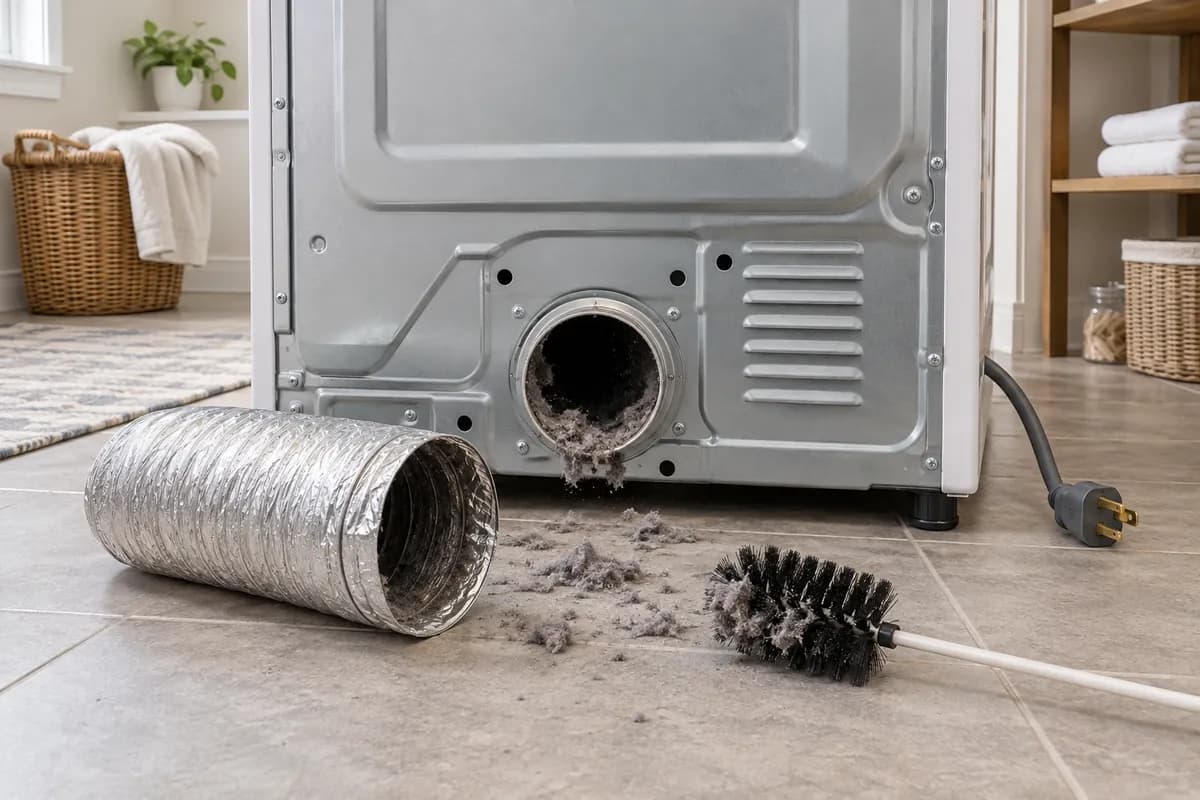
Dryer Taking Two Cycles? Check the Vent Before Replacing It
Separate lint-screen care from exhaust-vent maintenance. What you can inspect safely, what to ask a cleaning service, and why a drying problem needs diagnosis.
Read guide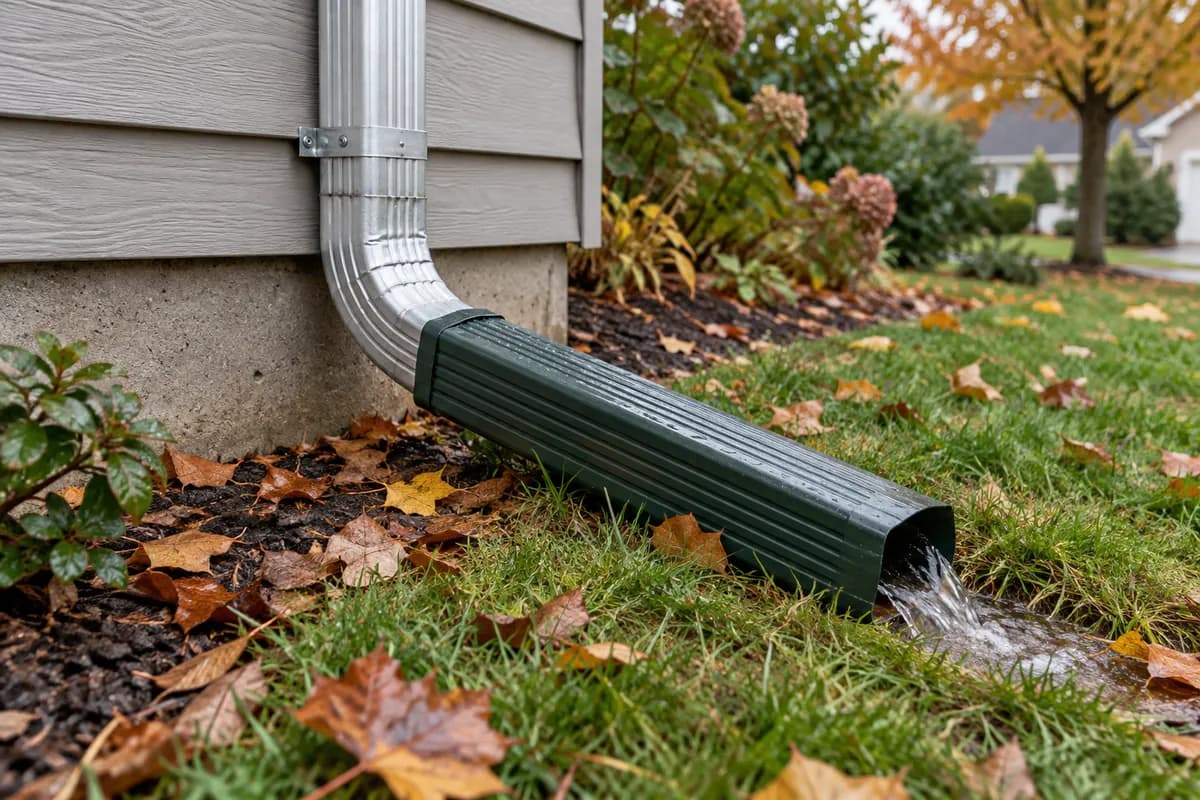
Before You Pay for a Leak Repair, Check the Downspouts
A gutter is only useful if its water reaches somewhere safe. Check overflow, loose connections, and discharge points from the ground before buying a fix.
Read guide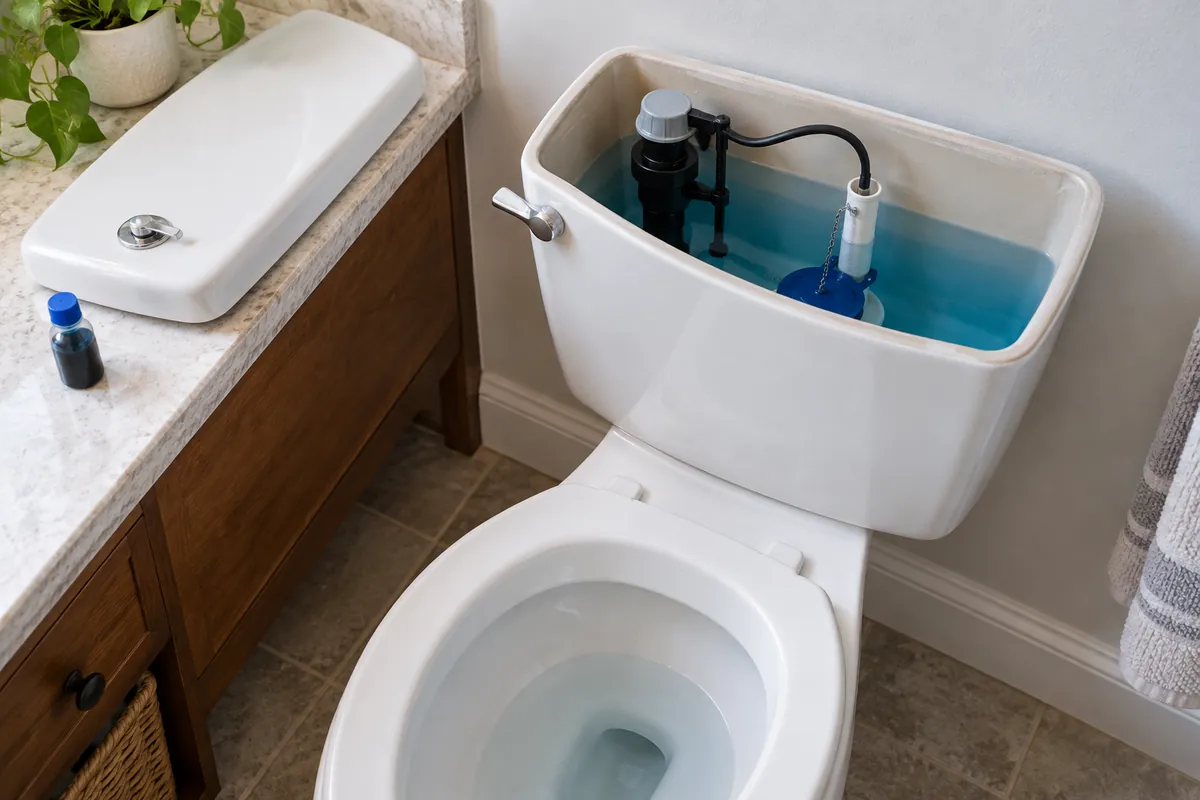
The Ten-Minute Toilet Check Before Your Next Water Bill
A toilet can waste water without leaving a puddle. Use a simple dye test, identify the flush mechanism, and buy a matching seal only after diagnosis.
Read guide