
My water heater is leaking: repair or replace?
A leak from a fitting is a $150 fix. A leak from the tank body is a replacement, today. How to tell the difference in five minutes, before you call.
The short answer
Find where the water starts. Leaks at the top (inlet fittings, T&P valve) or at the drain valve are usually $150–$400 repairs. Water seeping from the tank body or pooling underneath with no other source means the tank lining has failed. That's a replacement, and soon.
Estimate, not a final quote
This range is for planning. Final pricing depends on an on-site inspection, materials, permits, access, and contractor scope.
Compare written bids
Ask each contractor for the same scope, warranty terms, permit handling, cleanup details, and exclusions before choosing.
Source-backed guidance
Guides use public references and practical cost modeling, then point you to official sources where rules or rebates can change.
This article contains paid links to Amazon. As an Amazon Associate I earn from qualifying purchases.
A puddle under the water heater puts you in the worst negotiating position there is: no hot water, rising anxiety, and a stranger in your garage who knows both. Five minutes of looking before you pick up the phone changes that conversation completely.
First, two safety steps. If water is actively spraying or the floor is flooding, close the cold-water shut-off valve on the pipe above the heater (turn clockwise). For a gas unit, twist the dial on the gas control to "off"; for electric, flip the breaker. Now you can look calmly.
Find the source: top, bottom, or body
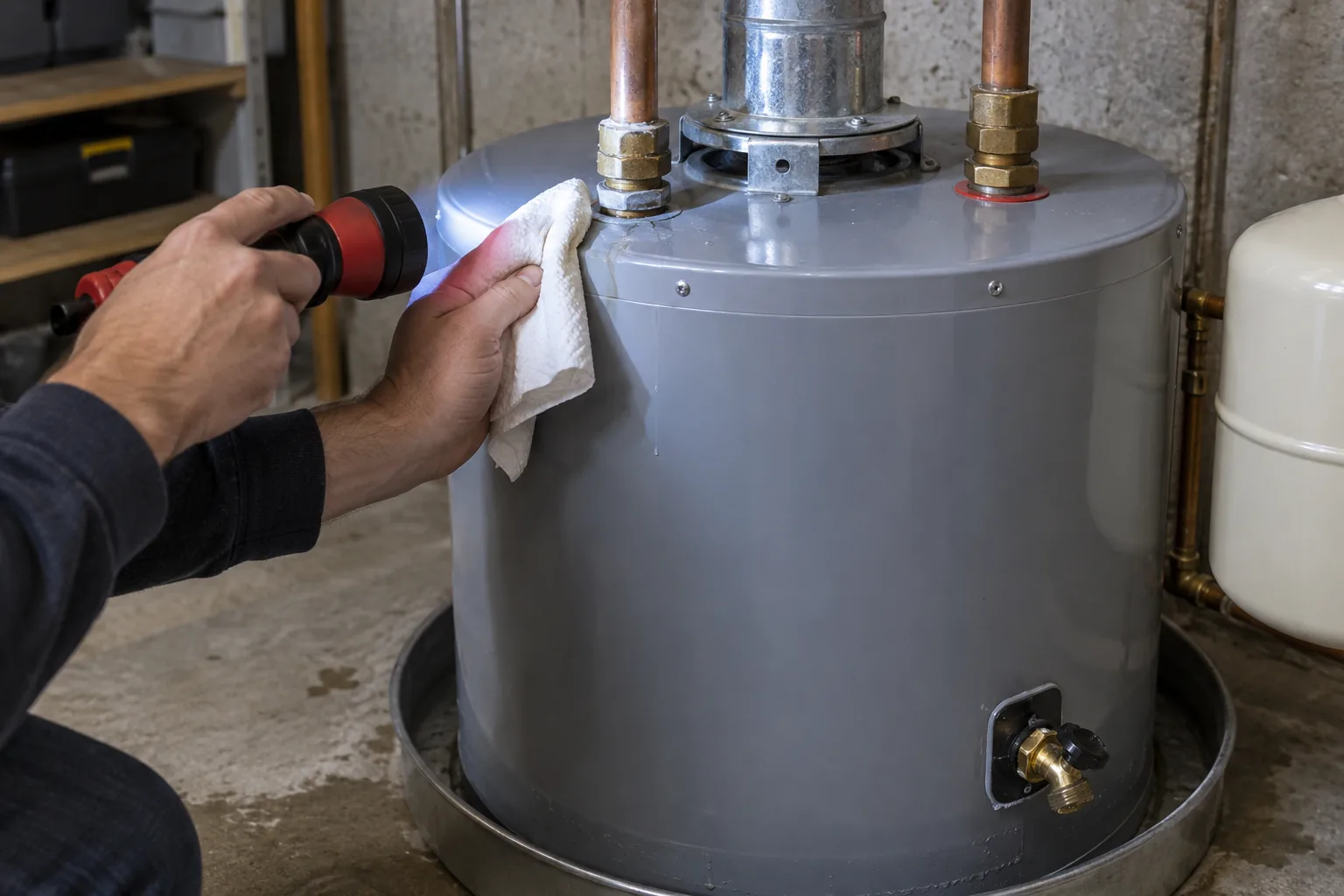
Dry everything with a towel, wait fifteen minutes, and watch where the water reappears.
Leaking from the top: usually good news
- Inlet/outlet fittings: the two pipe connections on top work loose or corrode. Repair: $100 – $250.
- Temperature & pressure (T&P) relief valve: the brass valve with the lever, usually on the side near the top with a discharge pipe. A dripping T&P valve is either a $20 part or a warning that your system pressure is too high. A plumber should check which. Repair: $150 – $300.
- Anode rod port: seepage around the hex head on top. Repair: $50 – $150 plus the rod.
Leaking from the drain valve: cheap
The spigot near the bottom. Often it just isn't fully closed, or the washer's worn. A replacement valve installed runs $100 – $200. Try snugging it closed (gently) before paying anyone.
Leaking from the tank body: the tank is done
Water weeping through the outer shell, rust streaks down the side, or a persistent puddle underneath with every fitting bone-dry above, that's the glass lining inside the tank, and no one can fix it. Not a $60 sealant, not a welder, no matter what a listing on a classifieds site says. The steel is rusting from the inside out, and the ending is a burst tank and a flooded floor. This is a replacement, ideally this week.
A like-for-like swap runs $900 – $1,900 installed for a standard tank. Get the full breakdown, including the code-upgrade line items that show up on nearly every quote, in our water heater replacement cost guide.
Cost estimator
Water heater cost estimator
A budgeting range, not a quote. Move the inputs to see what changes the number.
Household size sets the capacity: tank gallons or tankless flow rate.
Estimated national cost
Typical project lands near $1,280.
If a written quote comes in above the high end, that's not automatically wrong — ask what scope is driving it.
What this assumes
- Like-for-like swap of an existing gas tank, with no new gas line or venting route.
- Sized for a 3-person household.
- Permit and haul-away of the old unit included; no drywall or repiping.
What moves this price
- 01Switching fuel or moving the unit: new gas line, venting, or circuit adds $500–$2,500.
- 02Code catch-ups: expansion tank, drain pan, seismic straps, shut-off valve.
- 03Emergency same-day replacement vs. a scheduled install.
Walk into your quotes ready
This range is your anchor. Bring these to every contractor conversation so you can tell a fair quote from a padded one.
- Is this a like-for-like swap, or does my setup need venting, gas, or electrical changes?
- Which code updates are included: expansion tank, drain pan, straps, shut-off valve?
- What's the tank warranty (6, 9, or 12 years), and does labor have its own warranty?
- Is the permit, haul-away of the old unit, and any condensate drain work in the price?
- A flat phone price that doesn't ask what fuel type or where the unit sits.
- "Code upgrades" as one unexplained lump sum instead of itemized parts.
- Pushing a tankless conversion hard without checking your gas line size first.
The age tiebreaker
When the leak is repairable, age decides whether you should bother.
| Heater age | Repairable leak | Tank-body leak |
|---|---|---|
| Under 6 years | Repair, likely under warranty too | Replace (warranty may cover the tank) |
| 6–10 years | Repair, but start budgeting | Replace |
| Over 10 years | Put the repair money toward replacement | Replace, don't wait |
Check the manufacture date on the tank's label; it's encoded in the serial number, and most brands print it plainly. Also check the warranty: tanks carry 6, 9, or 12-year coverage, and a lining failure inside that window means a free or heavily discounted replacement unit. Plumbers won't always volunteer this; look up your serial number before you buy anything.
Don't fall for the flood-panic upsell
Emergency calls are where oversized quotes live. Three things keep the number honest even on a bad day:
After the leak is repaired, consider a water-leak alarm for a safely accessible floor area near the heater, following the sensor manufacturer's placement instructions. An alarm does not stop a leak or replace repair; ask the plumber whether a compatible automatic shutoff system is worth considering for your home.
- Ask for the quote itemized: unit, labor, permit, each code part. A lump sum hides the padding.
- Decline the same-day premium if you can. A repairable leak with the water shut off can wait two days for a scheduled slot, often 20–30% cheaper.
- Get a second number by phone. Read the first quote's line items to another plumber. Sixty seconds, and you'll know if you're in range.
And if the tank is past ten years old and hasn't failed yet, this article is your warning. Replacing on your schedule, at your price, with three quotes in hand beats doing it during a flood every single time.
Research sources
Compare local quotes
Ready to compare real quotes from water heater pros?
Use your estimate as a budget anchor, then compare written contractor bids against it before you decide. Free request, no obligation.
Disclosure: this button opens a third-party quote-matching service. If you submit its form, its contact and privacy terms apply, and SaveBricks may earn a referral fee. It never changes the prices you're quoted, and our cost ranges are set independently — see how we estimate.
The cost guide
Get the monthly cost briefing
One useful email a month: project cost ranges, contractor red flags, and practical ways to avoid an inflated quote.
No spam. Unsubscribe any time. Read our privacy policy.
More water heaters guides
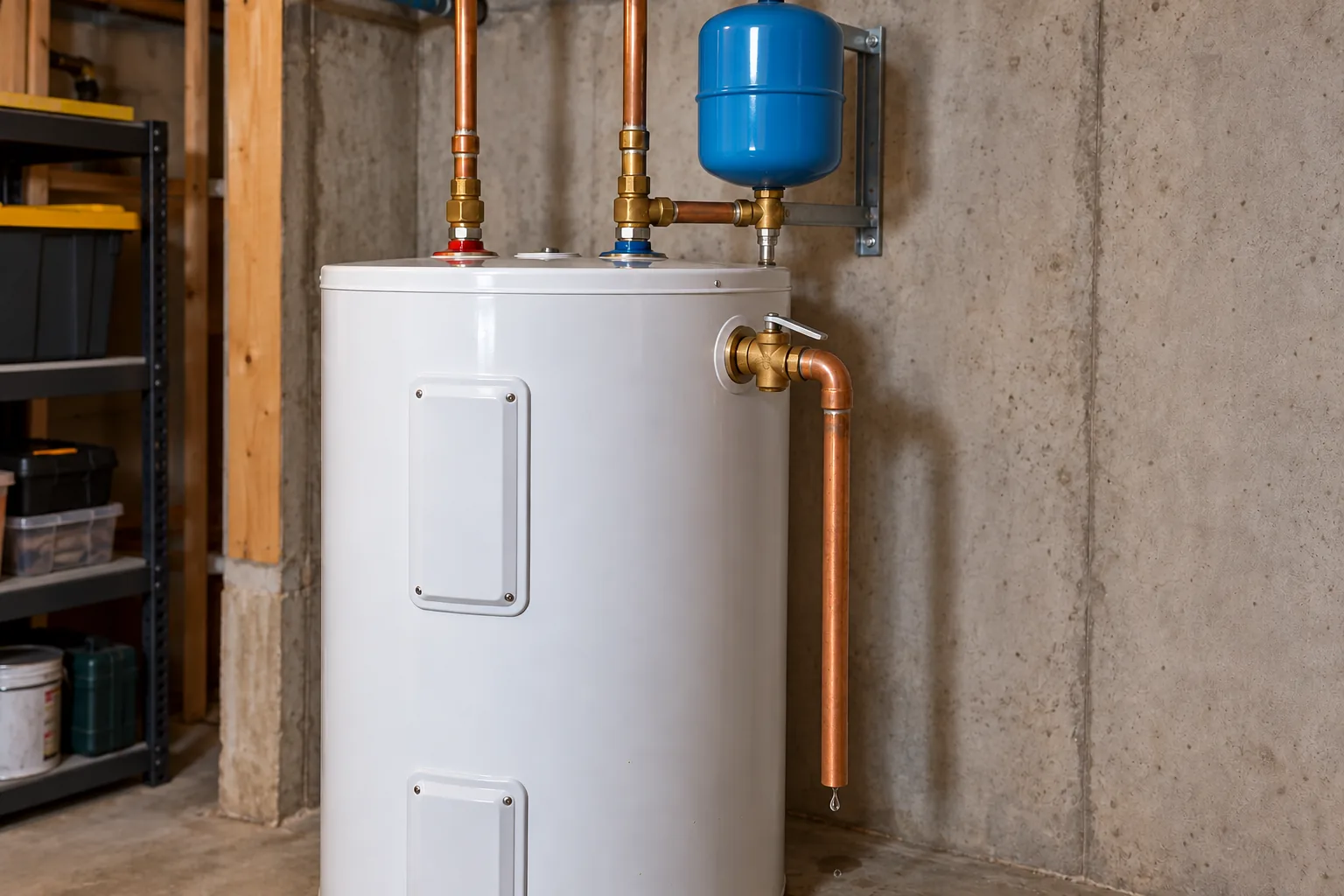
Water Heater Relief Valve Dripping? Read the Pressure Before You Replace the Valve
A T&P valve that weeps a little every heating cycle is usually doing its job in a closed system. Here's how to tell expansion from a failed valve, an overheating tank, or a bad weld.
Read guide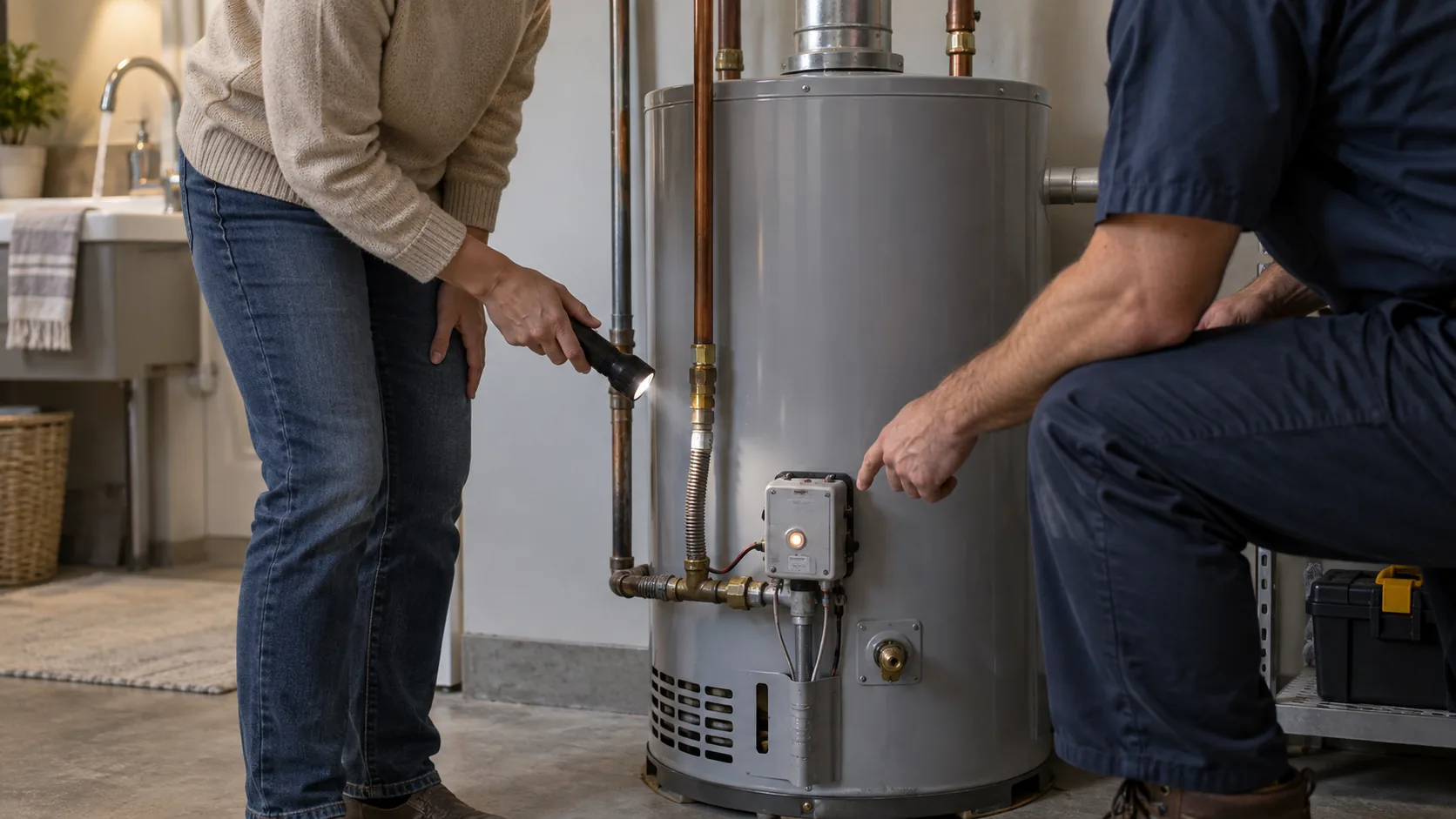
No Hot Water? Gas or Electric Decides Which Part Quit
A tank that suddenly runs cold has usually lost one specific part, and the fuel type tells you which ones to suspect. Here's how to narrow it down before the service call.
Read guide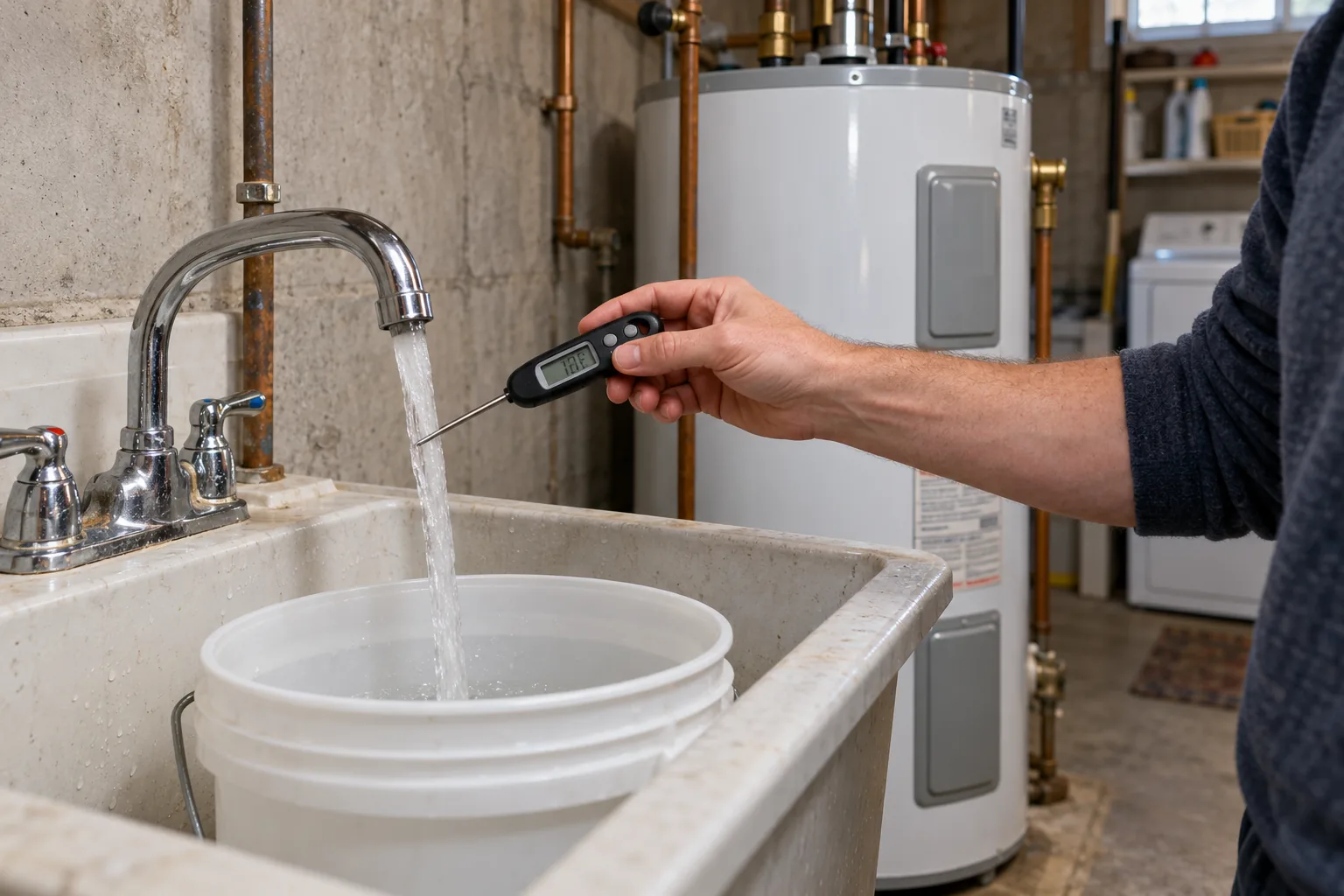
Hot Water Runs Out Fast? Do the Gallon Math Before You Buy a Part
A shower that goes cold halfway through is either a tank that's too small for the hour you ask of it or a part that's quietly stealing capacity. A bucket, a thermometer, and the data plate tell you which.
Read guide