
What home maintenance should I do in the fall?
Start with rainwater, heating airflow, and alarms. A practical fall checklist that separates free inspections from purchases and contractor work.
- Parts
- $0 to inspect
- Time
- 2–3 hours
- Avoids
- Winter surprises
The short answer
Check where downspouts discharge, inspect the heating filter, book heating service, look for door and window gaps, check for visible plumbing leaks, and test your alarms. Inspect first and buy parts for the problems you actually find. Finish drainage work before prolonged rain and heating checks before cold weather arrives.
Estimate, not a final quote
This range is for planning. Final pricing depends on an on-site inspection, materials, permits, access, and contractor scope.
Compare written bids
Ask each contractor for the same scope, warranty terms, permit handling, cleanup details, and exclusions before choosing.
Source-backed guidance
Guides use public references and practical cost modeling, then point you to official sources where rules or rebates can change.
This article contains paid links to Amazon. As an Amazon Associate I earn from qualifying purchases.
Fall maintenance works best as a short inspection followed by a specific shopping list. Buying a cart full of sealants and filters before looking at the house reverses that order.
Our rule: deal with water first, heating second, cosmetic work last. A draft can wait while you find the right door sweep. A downspout sending rain toward the basement deserves attention before the next storm.
This checklist is for U.S. homeowners preparing for colder weather. In a warm climate, use the start of your rainy season as the drainage deadline instead. The time estimate covers accessible inspections; repairs and contractor appointments are extra.
The weekend checklist
| Check | What to do | What to buy only if needed |
|---|---|---|
| Roof runoff | Walk the property and trace each downspout to its discharge point | An extension suited to your drainage layout |
| Heating filter | Check its condition and the equipment's specified size and replacement schedule | The correct replacement filter |
| Heating service | Find the last service record and book the next visit | A professional maintenance appointment |
| Doors and windows | Look for loose seals and gaps around closed doors | Weatherstripping that fits the gap |
| Accessible plumbing | Look under sinks and around the water heater for drips or staining | Diagnosis before replacement parts |
| Smoke and CO alarms | Use each alarm's test procedure and check its replacement date | The specified battery or replacement alarm |
1. Follow the rainwater
You do not need a ladder to spot a missing downspout extension, a disconnected elbow, or soil washed away beside a wall. Photograph each problem so you can compare it after repairs.
PNNL's gutter and downspout guidance recommends directing surface discharge at least five feet from the foundation onto ground that drains away. Distance alone does not help if water runs back toward the house. Our gutter and downspout checklist explains the inspection order.
2. Give the heating system a clean start
ENERGY STAR recommends annual preseason professional checkups and monthly filter inspections. Use our filter guide for the task, but follow your equipment manual when choosing the filter. A more restrictive filter is not automatically a suitable upgrade.
Keep a note of unusual noises, uneven heating, or repeated starts and stops for the technician. A maintenance appointment is the time to investigate those symptoms, before a cold night makes the decision urgent. Gas connections, combustion checks, and electrical adjustments belong to the contractor.
3. Make the shopping list from the inspection
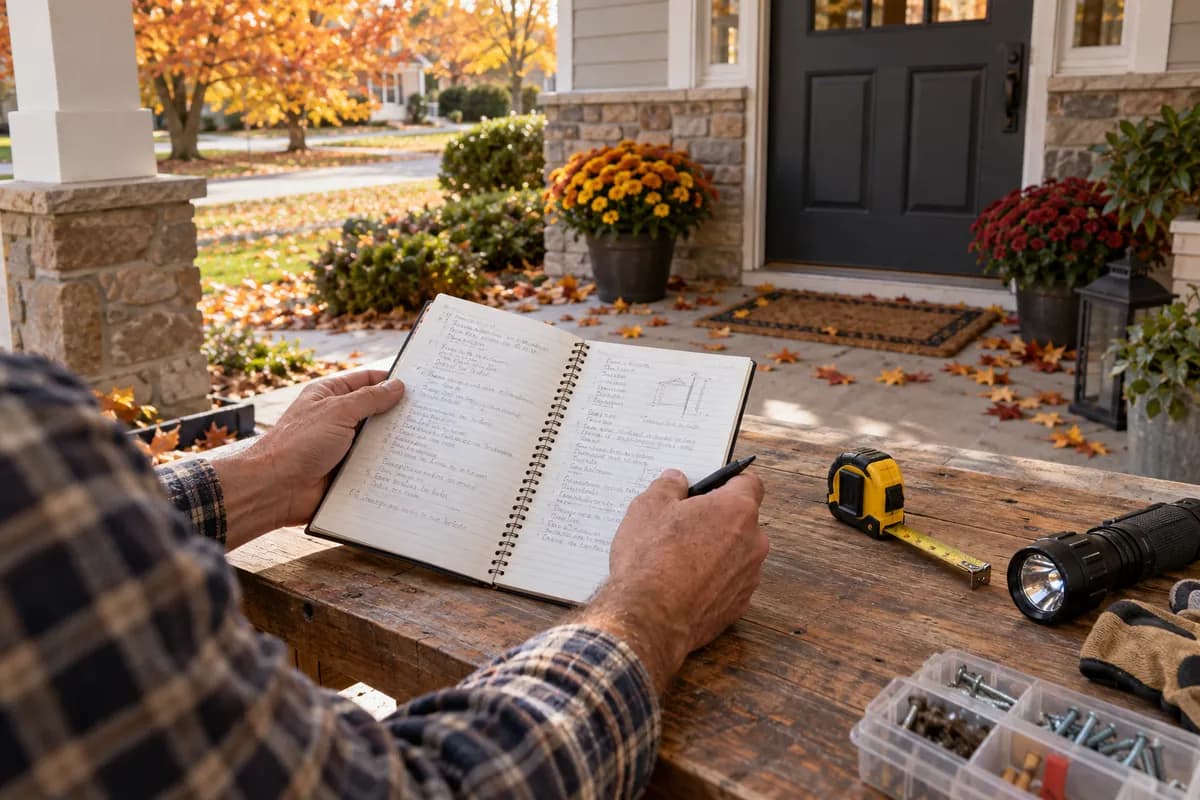
Use a tape measure and write down measurements rather than guessing in the store. A door sweep needs to match the door width and clearance; a filter needs the specified dimensions. Photograph labels on equipment and alarms.
For a drafty window, identify whether the gap is around the frame, at a moving sash, or between the panes. Those call for different fixes. Start with our drafty-window guide before assuming the whole window needs replacement.
4. Put the next checks on the calendar
USFA recommends testing smoke alarms monthly and replacing them according to their age and manufacturer's instructions; ordinary smoke alarms generally need replacement after ten years. Follow the separate instructions on your CO alarms. A fall reminder is useful, but it does not replace monthly testing.
Record the filter inspection, alarm dates, and service appointment in one place. Add a follow-up after the next substantial rain to check the repaired downspouts.
When the checklist becomes a contractor job
Stop the inspection if it requires roof walking, opening an electrical panel, disturbing gas fittings, or moving equipment beyond your ability. Active leaks, persistent dampness, and recurring heating faults need diagnosis rather than another layer of caulk.
If that diagnosis leads to a replacement recommendation, take time to read the HVAC quote or water-heater quote. Completing this checklist cannot guarantee a repair-free winter; it gives you a better chance of finding a problem while you still have choices.
Research sources
The cost guide
Get the monthly cost briefing
One useful email a month: project cost ranges, contractor red flags, and practical ways to avoid an inflated quote.
No spam. Unsubscribe any time. Read our privacy policy.
More maintenance guides
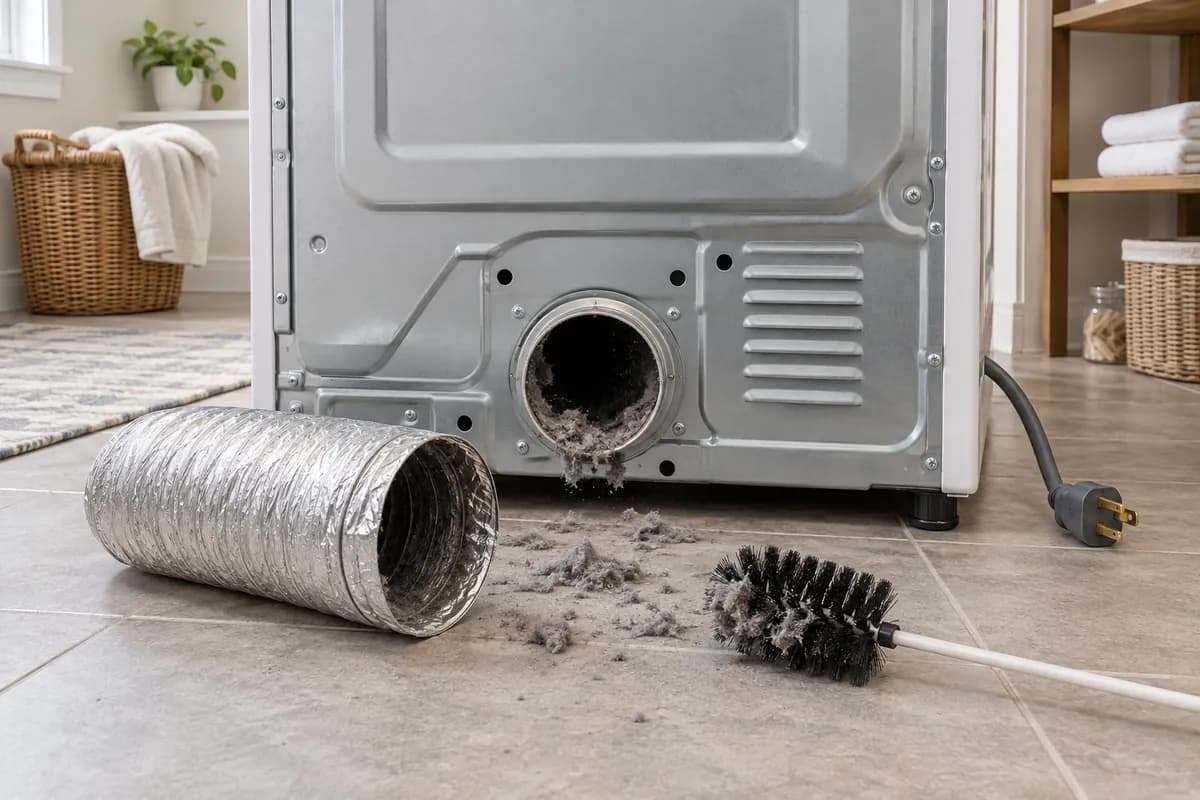
Dryer Taking Two Cycles? Check the Vent Before Replacing It
Separate lint-screen care from exhaust-vent maintenance. What you can inspect safely, what to ask a cleaning service, and why a drying problem needs diagnosis.
Read guide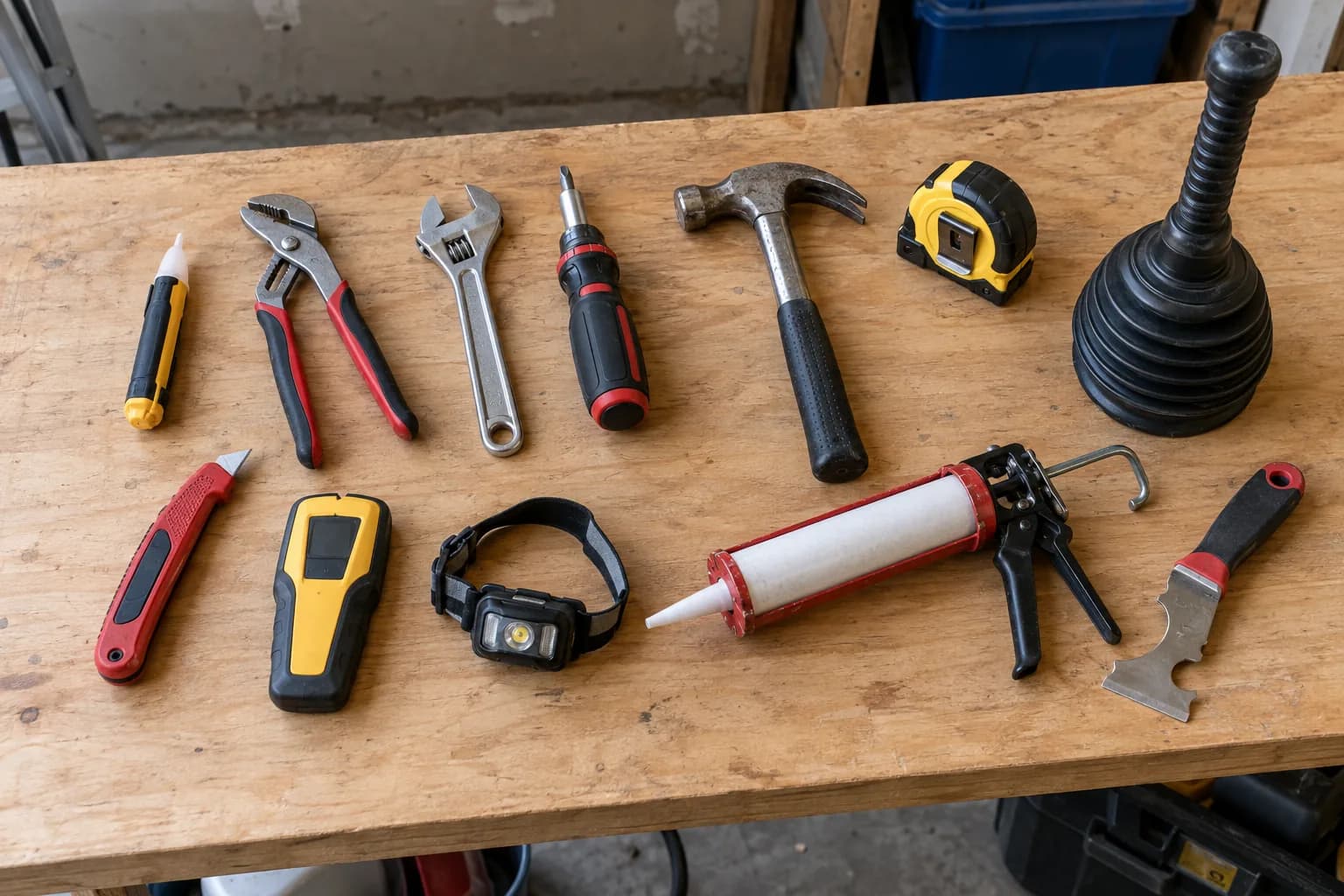
The ~$170 Toolkit That Handles 80% of Home Maintenance
Twelve tools, bought once, no 200-piece kit. What each one is actually for, what it should cost, and the three things everyone buys that you should skip.
Read guide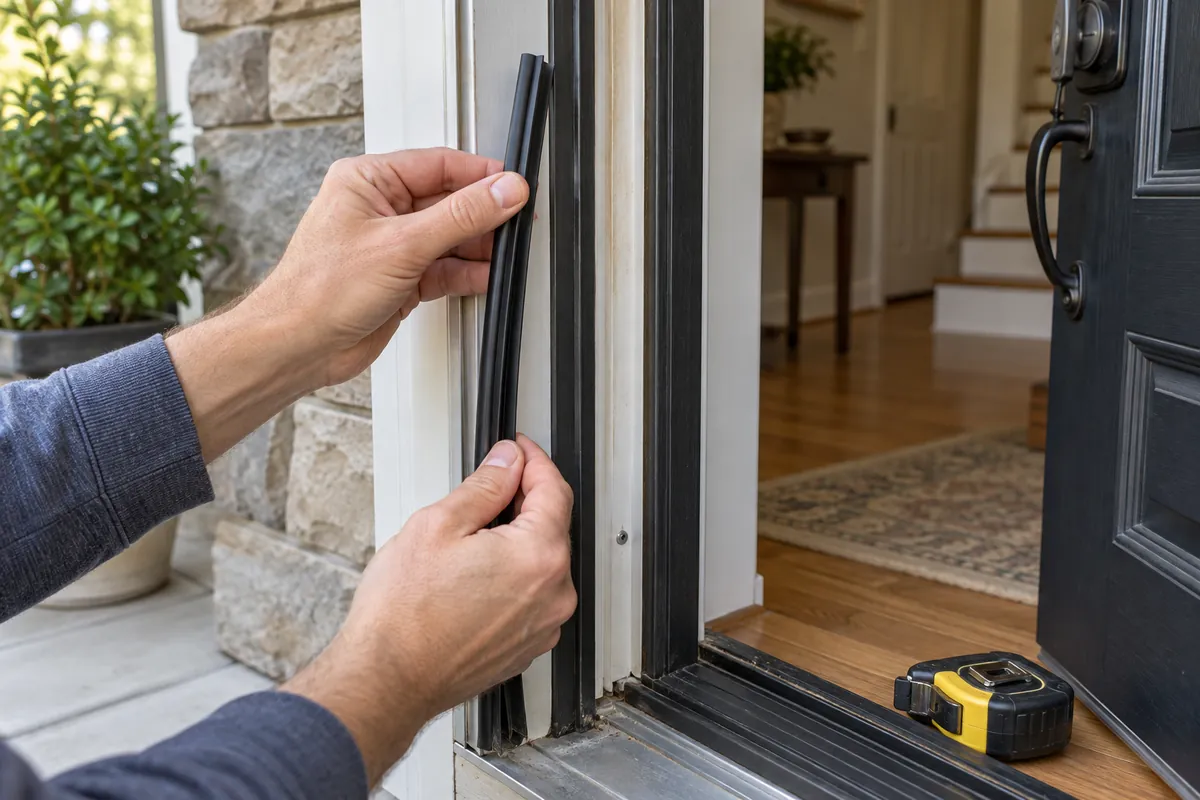
Drafty Front Door? Measure the Gap Before Buying a New One
Separate a worn door seal from an alignment or threshold problem. Match weatherstripping to the opening and check that the door still closes properly.
Read guide