
What should actually be on a window replacement quote?
A complete window quote itemizes eight things; most homeowners get three. Here's what belongs on the page and where a bare per-window price hides code work.
The short answer
A complete window quote itemizes eight things: the U-factor and SHGC (not just 'Low-E'), the installation method (full-frame or pocket), the glass package by pane count and gas fill, the frame material and product line by name, flashing scope for full-frame jobs, egress compliance for bedroom and basement openings, permit status, and warranty terms in two parts. A single number next to 'vinyl window' tells you nothing about what's actually going into the wall.

Estimate, not a final quote
This range is for planning. Final pricing depends on an on-site inspection, materials, permits, access, and contractor scope.
Compare written bids
Ask each contractor for the same scope, warranty terms, permit handling, cleanup details, and exclusions before choosing.
Source-backed guidance
Guides use public references and practical cost modeling, then point you to official sources where rules or rebates can change.
This article contains paid links to Amazon. As an Amazon Associate I earn from qualifying purchases.
Eight line items separate a real window quote from a per-window price scrawled on a business card. Most bids on the counter right now show three: a material, a count, and a total. Here's what an installer competing for the job would actually check first.
The eight lines a complete quote has
- U-factor and SHGC, both stated. "Energy efficient" and "Low-E" are marketing words. The numbers that actually predict your utility bill are the U-factor (how much heat moves through the window) and the Solar Heat Gain Coefficient (how much solar heat gets in). ENERGY STAR's Version 7.0 specification splits the country into four zones with different thresholds — Northern homes need U-factor ≤ 0.22 and SHGC ≥ 0.17, while Southern homes need U-factor ≤ 0.32 and SHGC ≤ 0.23. A quote that just says "ENERGY STAR qualified" without the actual U-factor and SHGC numbers hasn't told you which side of those thresholds you're getting.
- Installation method, named. Pocket (insert) replacement drops a new sash into your existing frame; full-frame replacement tears out to the rough opening. They are not interchangeable line items — one is a half-day job, the other opens your wall. Our full-frame vs. pocket cost breakdown covers when each makes sense; the quote should say which one you're getting, not just "replacement window."
- Glass package, by pane count and gas fill. Double-pane with argon is the ENERGY STAR baseline in most zones; triple-pane with argon or krypton is what gets you near the "Most Efficient" tier in cold climates. Ask which gas is in the package, because it matters less than you'd think over time: manufacturers don't warranty the gas staying put. Pella's own warranty language states it injects argon at manufacture but "no warranty is made as to the amount or percentage of argon present," since argon is known to dissipate through the seal over the window's life.
- Frame material and product line, by name. "Vinyl window" isn't a spec — Andersen 400 Series, Pella Impervia, and a no-name vinyl extrusion carry different warranties and different structural ratings. Get the line name on the quote so you can look up the warranty yourself before you sign, not after something fails.
- Flashing scope, for full-frame jobs. IRC Section R703.4 requires corrosion-resistant flashing at the head and both sides of every window opening, draining to the surface of the exterior finish or the water-resistive barrier behind it — and where the manufacturer or flashing maker doesn't specify otherwise, a sloped pan flashing at the sill. This is invisible once the trim goes back on, and it's also the single biggest reason a full-frame job costs more than a pocket one: you're paying for water management, not just a new sash.
- Egress compliance, for bedroom and basement openings. Every sleeping room needs an emergency escape opening under IRC Section R310: minimum 5.7 square feet of net clear opening, at least 24 inches of clear height, at least 20 inches of clear width, and a sill no higher than 44 inches off the finished floor. The code does carry a replacement-window exception at R310.7.1 — the new unit can be the manufacturer's largest standard size that fits the existing rough opening, in the same or a larger operating style, even if that doesn't hit the sill-height number on paper. What it can't do is shrink the actual escape opening below what was there before. If a contractor's quote says "same size, no permit needed" for a bedroom window, ask them to put the net clear opening dimensions on the page.
- Permit status. Rules vary by jurisdiction, but the pattern is consistent: a true like-for-like insert into an unchanged opening often doesn't need one, while enlarging an opening, changing a fixed window to operable, or touching an egress window usually does. A quote that doesn't say which category your job falls into is leaving that decision for you to discover at resale, when an unpermitted structural change shows up on an inspection report.
- Warranty, in two parts, with the glass clause read. Manufacturer coverage on the glass and frame is separate from the installer's labor warranty, and the glass clause is where the fine print lives. Andersen's 400 Series warranty covers material obstruction of vision from a failed glass seal for 20 years; Pella's vinyl line covers glass seal failure for 10 years. Neither one warranties the argon or krypton fill itself — only the seal that's supposed to hold the gas in.
Cost estimator
Window cost estimator
A budgeting range, not a quote. Move the inputs to see what changes the number.
Estimated national cost
Typical project lands near $6,500.
If a written quote comes in above the high end, that's not automatically wrong — ask what scope is driving it.
What this assumes
- 10 replacement windows selected.
- Vinyl frame material selected.
- Standard professional installation assumed.
What moves this price
- 01Pocket vs. full-frame installation method.
- 02Glass package, grid style, trim, and flashing details.
- 03Window size, access, permit requirements, and local labor rates.
Walk into your quotes ready
This range is your anchor. Bring these to every contractor conversation so you can tell a fair quote from a padded one.
- Is this full-frame or insert (pocket) replacement, and why for my openings?
- What's the frame material and glass package (low-E, gas fill, U-factor)?
- Is removal, disposal, and interior/exterior trim work included?
- What does the warranty cover: glass, frame, and the install labor?
- A per-window price with no mention of frame condition or install type.
- 'Today only' pricing that drops dramatically when you hesitate.
- Vague glass specs, with no U-factor or low-E details in writing.
What actually moves on the price
Four levers move a window bid more than any brand name does:
Use a tape measure to label accessible openings on your room-by-room notes before the estimator arrives. Your measurements help organize the comparison; the contractor should verify manufacturing dimensions, clearances, and any egress requirements before ordering.
- Glass package is real menu pricing. A double-pane, argon-filled, Low-E unit sits at the low end of the range; stepping up to triple-pane with a second Low-E coating and krypton fill can add several hundred dollars per window, and it's the upgrade that actually shows up on a cold-climate heating bill.
- Full-frame vs. pocket is the other lever, and it's not small: full-frame adds interior and exterior trim labor, flashing, and often a repair allowance for rot the demo uncovers, on top of the window itself.
- Timing helps outside peak season. Late fall and winter, when installers aren't backlogged from spring remodels, is when bids get more competitive.
- The deposit should be modest, 10–30%, tied to the windows arriving (custom sizes are built to order and take weeks). A request for half down before anything is manufactured is a cash-flow ask, not a pricing one.
Where the padding actually hides
The vague "trim and flashing as needed" allowance is the most common one on full-frame jobs — it lets a $150 flashing detail become an unpriced surprise once the old frame is out and the rot is visible. The honest version names a per-opening allowance and says what triggers it. The bundled "window package" quote is the second: one number for "10 replacement windows" that won't tell you whether it's double-pane or triple, vinyl or fiberglass, until you ask directly. And the reverse red flag applies here too — a bid dramatically below the others for the same pane count and material usually means a downgraded glass package, a skipped pan flashing detail, or an installer who isn't pulling the permit an egress window actually needs.
Two flat rules
No U-factor and SHGC on the quote means you can't compare bids. Two "ENERGY STAR" vinyl windows can sit on opposite sides of the zone threshold and cost the same. Get both numbers in writing before you compare price to the next bid.
Don't count on the federal tax credit for a 2026 install. The Section 25C Energy Efficient Home Improvement Credit covers 30% of window and skylight costs up to $600 a year — but only for units meeting ENERGY STAR Most Efficient criteria, a higher bar than standard certification, and only for equipment placed in service through December 31, 2025. If a contractor's proposal nets a credit against a 2026 total, verify the current rule yourself on the IRS credit page before you sign.
If you're still deciding between vinyl and fiberglass before you get to the quote stage, our cost comparison runs the material math first. And if you're not sure whether your frames are sound enough for a pocket install or need to come out entirely, read the full-frame vs. pocket breakdown before the estimator shows up — it changes which of these eight lines actually apply to your job. Our window replacement cost guide has the fuller price breakdown by material once you're past the estimate stage.
Research sources
- ENERGY STAR: Residential Windows, Doors & Skylights
- ENERGY STAR: Windows & Skylights Tax Credit
- IRS: Energy Efficient Home Improvement Credit
- ICC: 2021 IRC Section R310, Emergency Escape and Rescue Openings
- ICC: 2021 IRC Section R310.7.1, Existing Emergency Escape and Rescue Openings
- ICC: 2021 IRC Section R703.4, Flashing
- Andersen: 400 Series Windows & Patio Doors Limited Warranty
- Pella: Vinyl Window & Patio Door Limited Warranty
Compare local quotes
Ready to compare real quotes from window installer pros?
Use your estimate as a budget anchor, then compare written contractor bids against it before you decide. Free request, no obligation.
Disclosure: this button opens a third-party quote-matching service. If you submit its form, its contact and privacy terms apply, and SaveBricks may earn a referral fee. It never changes the prices you're quoted, and our cost ranges are set independently — see how we estimate.
The cost guide
Get the monthly cost briefing
One useful email a month: project cost ranges, contractor red flags, and practical ways to avoid an inflated quote.
No spam. Unsubscribe any time. Read our privacy policy.
More windows guides

Rotted Window Sill? Probe the Wood Before You Price a Window
How deep a screwdriver sinks into a soft sill, and where, decides between an epoxy patch, a new sill, and a full-frame replacement. Here's how to read the probe and when to stop.
Read guide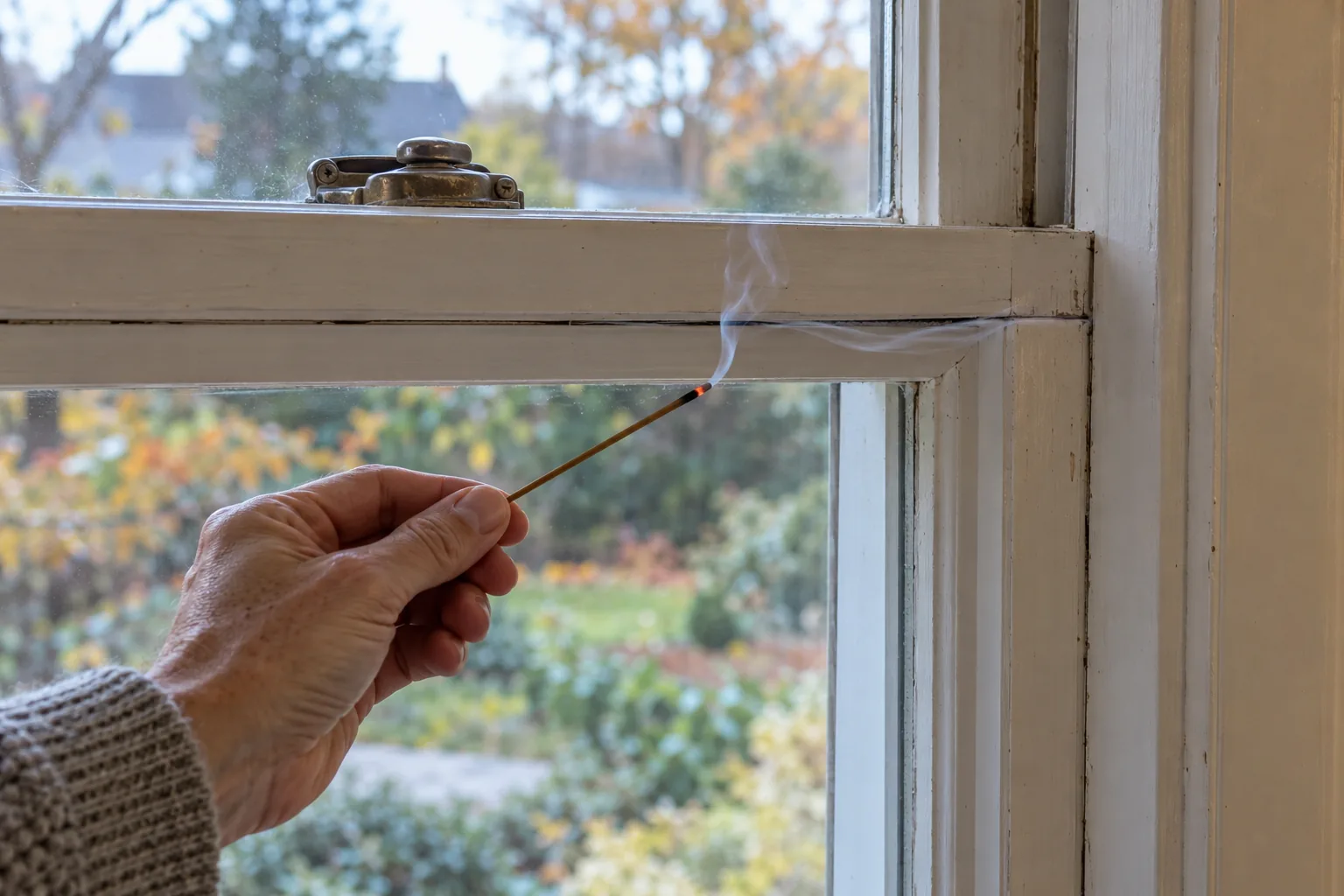
Drafty Windows? Find Which Gap the Air Uses Before You Price New Ones
A drafty window usually leaks through one of three paths, and the fix for each runs from a $5 strip to a new unit. Here's how to tell them apart with a sheet of paper and an incense stick, and when replacement actually pays.
Read guide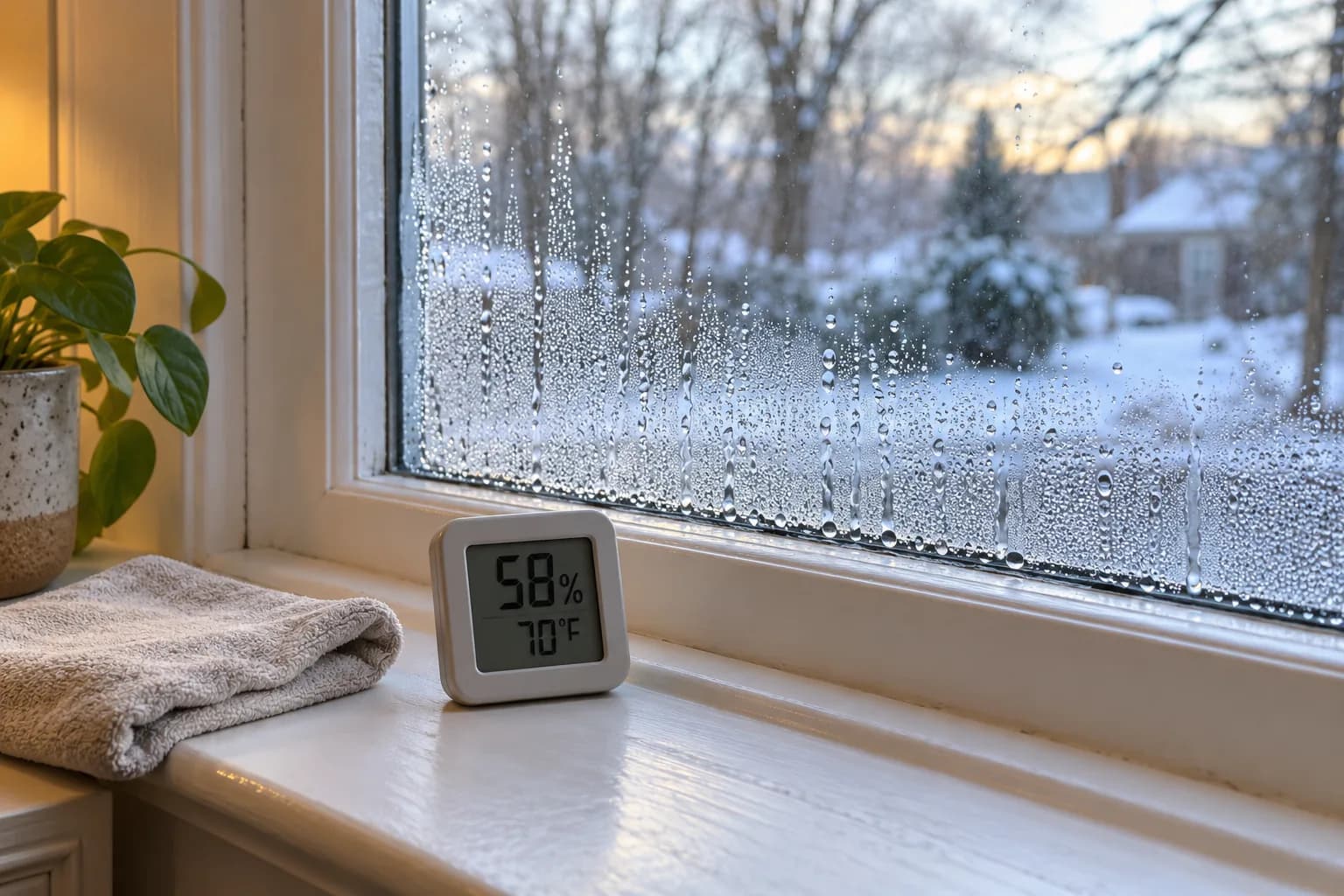
Condensation on the Inside of Your Windows? Read the Humidity Before the Glass
Water on the room side of the glass is usually a humidity number, not a window defect. Here's the ceiling for each outdoor temperature, where the moisture comes from, and when the window really is the problem.
Read guide