
How do I check my sump pump before heavy rain?
A short, manual-led check of pump operation and outdoor discharge. What to record, how to think about backup power, and when to leave the pit alone.
- Parts
- $0 to check
- Time
- 20–30 min
- Avoids
- Missed pump failure
The short answer
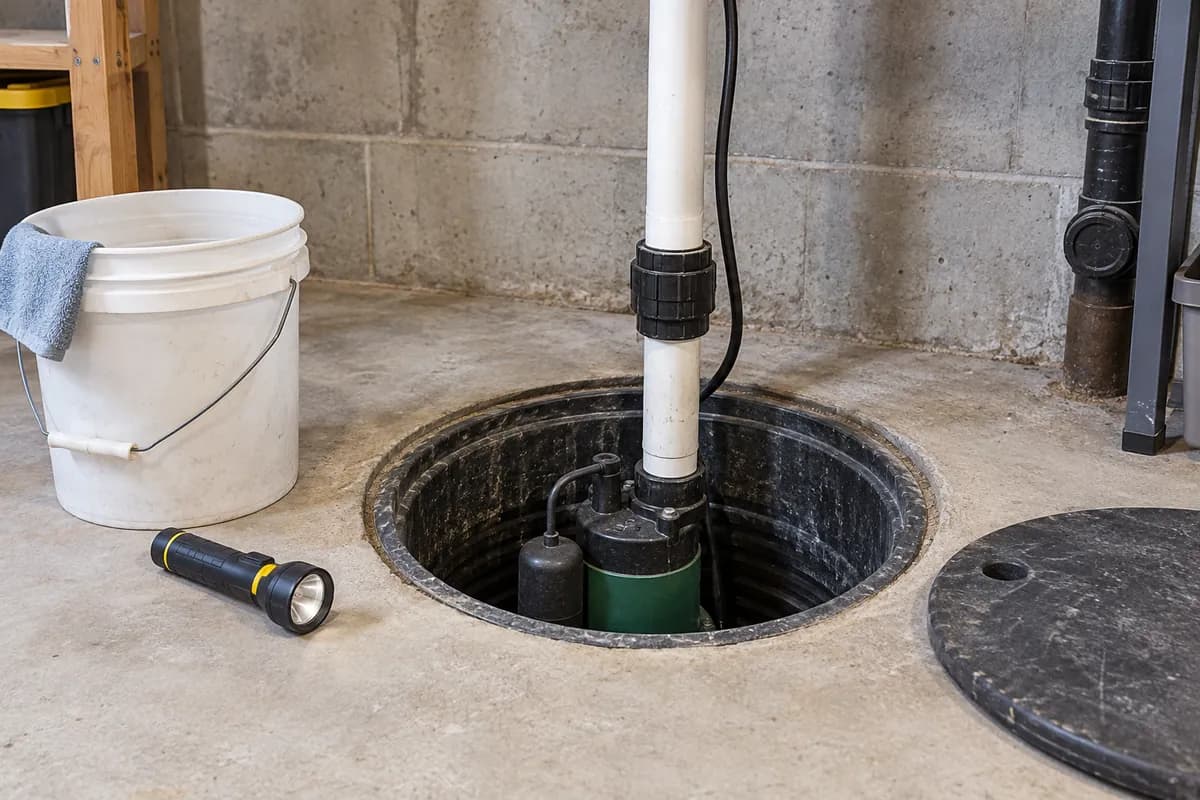
Read the pump's test instructions, inspect the outdoor discharge, and check operation from a dry, safely accessible location. NDSU Extension describes adding water to the sump until the float starts the pump as one functional test. Watch whether water is removed and the pump stops normally. Do not open a sealed pit, touch wet electrical equipment, or bypass controls; use a professional if access or operation is uncertain.
Estimate, not a final quote
This range is for planning. Final pricing depends on an on-site inspection, materials, permits, access, and contractor scope.
Compare written bids
Ask each contractor for the same scope, warranty terms, permit handling, cleanup details, and exclusions before choosing.
Source-backed guidance
Guides use public references and practical cost modeling, then point you to official sources where rules or rebates can change.
This article contains paid links to Amazon. As an Amazon Associate I earn from qualifying purchases.
Heavy rain is a poor time to discover that a pump has stopped working. A preseason check gives you time to arrange service while the basement is dry and the contractor's schedule is less urgent.
Our rule: confirm that water leaves the pit and reaches the intended discharge point. Hearing a motor run is only one observation, and a successful test is not a guarantee against flooding.
Start with the manual and the discharge
Find the model number, instructions, last service date, and any separate backup-system instructions. Know whether you are looking at a groundwater sump pump or a different system; a sewage ejector is not a substitute test project.
NDSU Extension recommends checking that the outside discharge is unobstructed and sends water away from the house before checking pump operation. Walk the accessible route and photograph a disconnected outlet or obvious obstruction for the service provider. Check local discharge rules before changing its destination.
Use a flashlight for observations from a dry surface. Do not enter a flooded area or reach toward a wet cord, plug, or outlet.
Run only the test your setup allows
For a safely accessible sump, NDSU describes adding water until the float activates the pump. Follow your model's instructions for access, amount, and procedure. An ordinary utility bucket you already own may be enough; there is no reason to buy a pump just to perform an inspection.
Observe the cycle without reaching into the operating equipment. Record whether the pump starts, removes water, stops, and discharges outside as expected. Stop adding water if the level keeps rising without pumping. Restore the cover as instructed and keep children and pets clear.
Do not remove a sealed or radon-connected cover for a generic test. Ask the installer how to test that system while preserving its seals. A homeowner inspection also does not require opening the motor, rewiring controls, or bypassing a switch.
Keep a useful service note
| Observation | What to tell the technician |
|---|---|
| No start during the prescribed test | Model, test procedure used, and observed water level |
| Motor runs but water is not removed | Whether any discharge was visible outside |
| Pump does not stop as expected | What happened during the complete cycle |
| Water leaves the outlet but returns toward the house | Photos of the discharge route and surrounding ground |
| Backup system displays a fault | Exact message and backup model number |
These observations narrow the conversation. They do not identify a failed component on their own. Ask for the diagnosis and repair scope before approving a replacement.
Think about the power-outage case separately
A mains-powered pump can pass a test without proving anything about outage protection. Have the installer explain your backup arrangement, battery care, test procedure, and limitations.
A compatible high-water alarm can be a separate monitoring aid. Check power requirements and placement instructions before buying. An alarm cannot pump water or guarantee that someone will be home to respond; a backup pump is a different system decision.
When to call a pro
Arrange help for failed tests, uncertain wiring, sealed access, damaged discharge piping, or recurrent basement water. During active flooding, prioritize electrical safety and urgent assistance over troubleshooting.
Also check the gutters and downspouts. A functioning sump does not remove the need to manage roof runoff. Put the next pump test on your seasonal maintenance checklist, using the equipment manufacturer's interval.
Research source
The cost guide
Get the monthly cost briefing
One useful email a month: project cost ranges, contractor red flags, and practical ways to avoid an inflated quote.
No spam. Unsubscribe any time. Read our privacy policy.
More maintenance guides
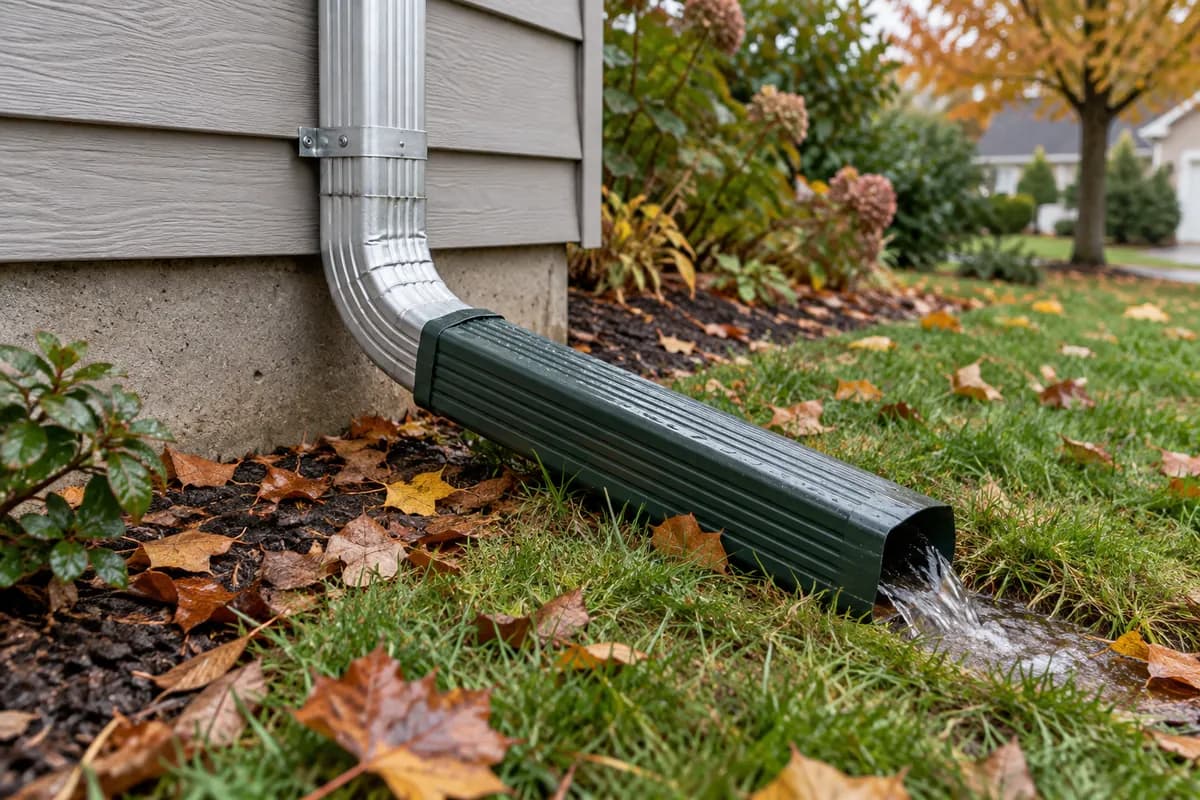
Before You Pay for a Leak Repair, Check the Downspouts
A gutter is only useful if its water reaches somewhere safe. Check overflow, loose connections, and discharge points from the ground before buying a fix.
Read guide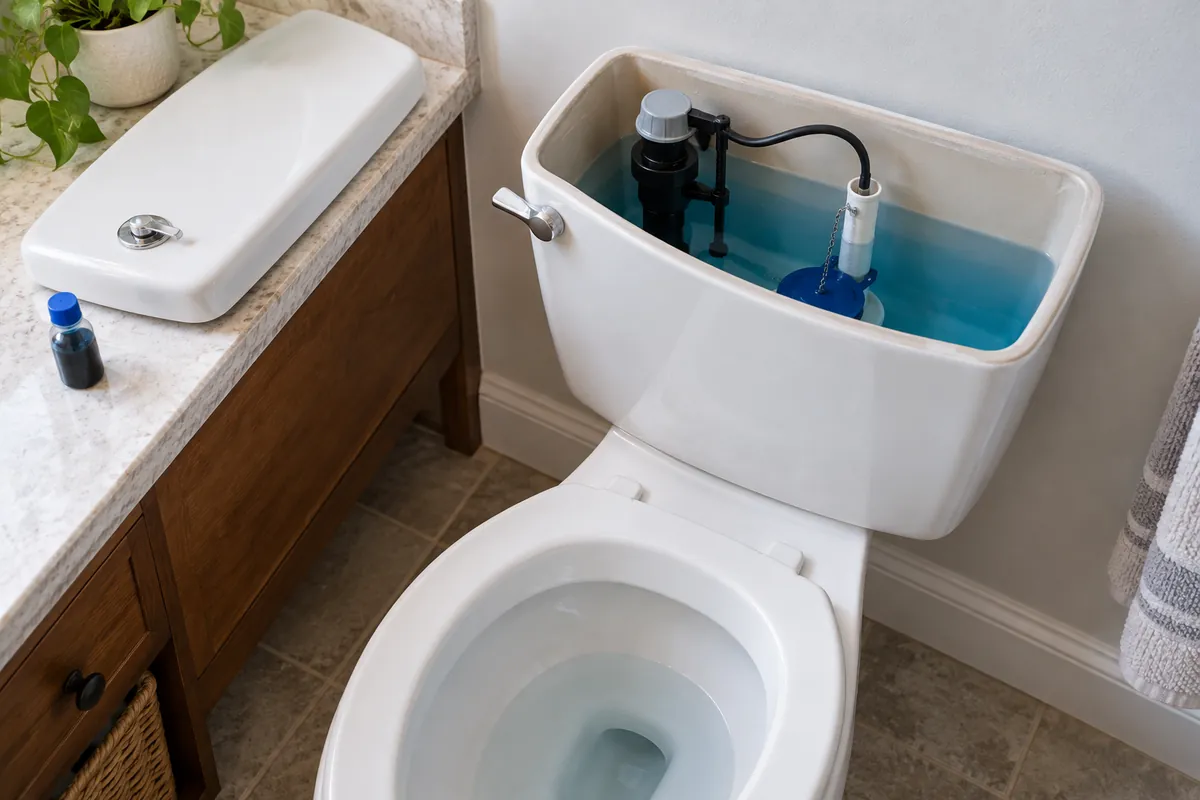
The Ten-Minute Toilet Check Before Your Next Water Bill
A toilet can waste water without leaving a puddle. Use a simple dye test, identify the flush mechanism, and buy a matching seal only after diagnosis.
Read guide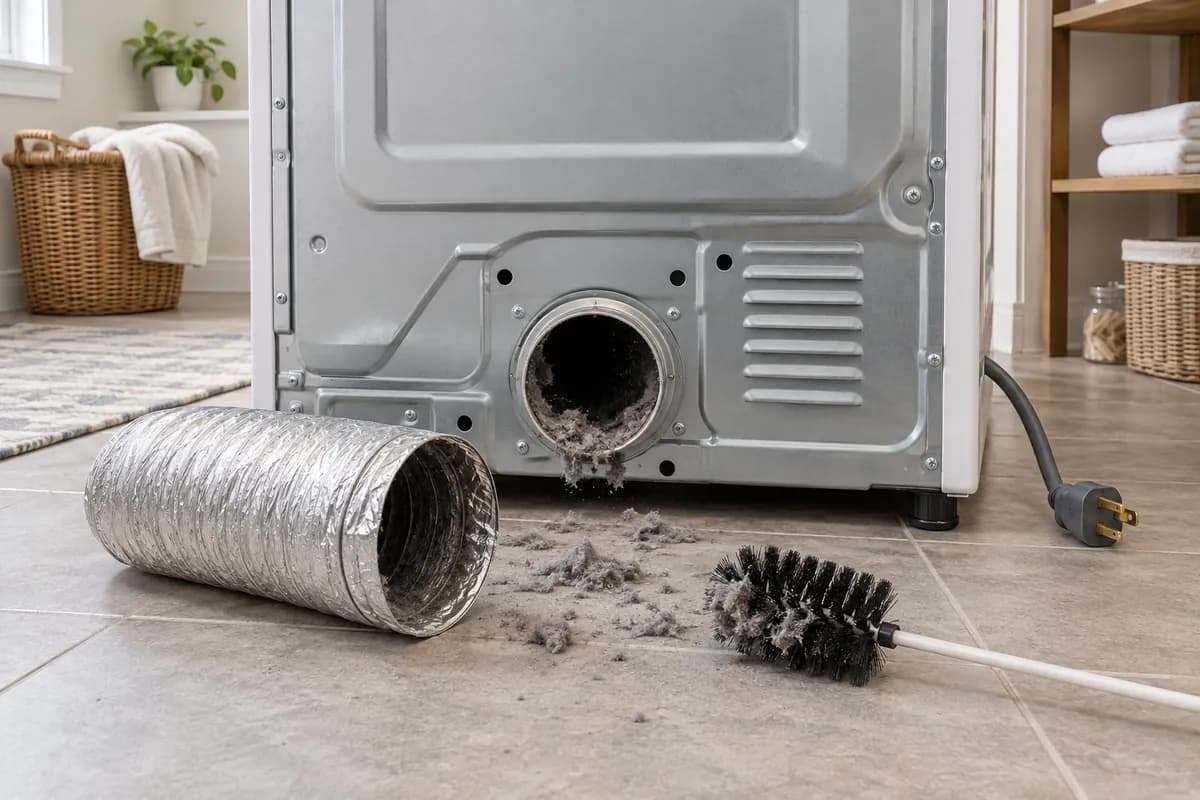
Dryer Taking Two Cycles? Check the Vent Before Replacing It
Separate lint-screen care from exhaust-vent maintenance. What you can inspect safely, what to ask a cleaning service, and why a drying problem needs diagnosis.
Read guide