
What line items should a roof replacement quote include?
The tear-off, decking, flashing, ventilation, permit, and cleanup lines that belong in a roof replacement quote before work starts.
The short answer
A complete roof bid names the measured roof area, tear-off layers, shingle system, underlayment, flashing, ventilation, decking allowance, permit, disposal, cleanup, and warranties. A single price per square hides the exact items most likely to change after tear-off.
Estimate, not a final quote
This range is for planning. Final pricing depends on an on-site inspection, materials, permits, access, and contractor scope.
Compare written bids
Ask each contractor for the same scope, warranty terms, permit handling, cleanup details, and exclusions before choosing.
Source-backed guidance
Guides use public references and practical cost modeling, then point you to official sources where rules or rebates can change.
This article contains paid links to Amazon. As an Amazon Associate I earn from qualifying purchases.
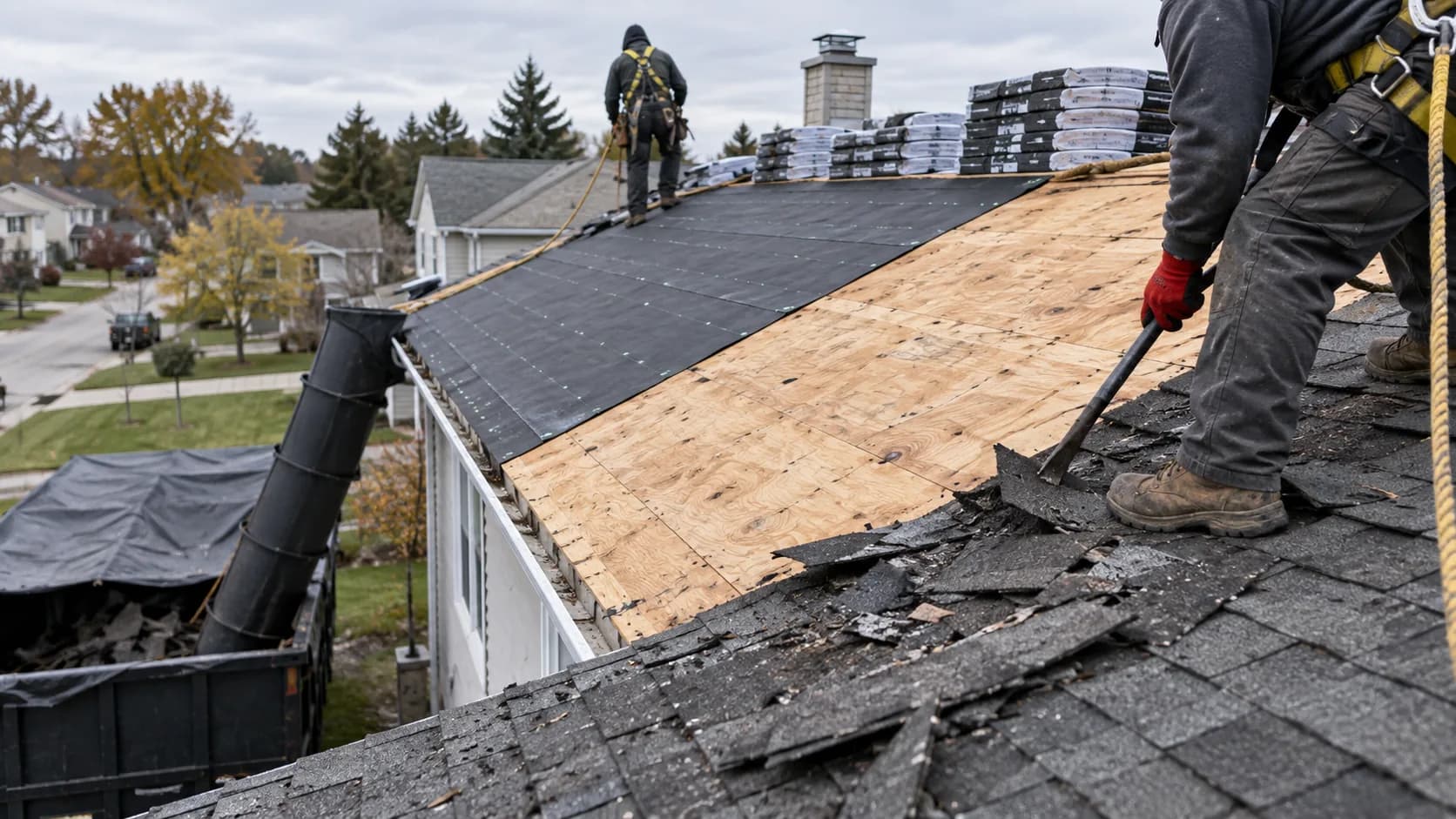
A roof quote becomes reliable when it explains what happens after the old shingles come off. The shingle brand matters, but the tear-off, deck condition, flashing, ventilation, and disposal terms decide whether the total holds once the crew is on the roof.
The ten lines a complete quote needs
- Measured roof area, in squares. One roofing square is 100 square feet of roof surface. The number should reflect pitch and overhangs, not just the home's floor area.
- Tear-off scope. The quote should state how many existing layers are included and what an additional layer costs if one is discovered.
- Shingle system. Get the manufacturer, product line, color, wind rating, starter strip, ridge cap, and fastener pattern in writing.
- Underlayment and leak barrier. The proposal should distinguish synthetic underlayment from ice-and-water membrane and state where each goes.
- Flashing. Chimneys, walls, valleys, plumbing vents, and skylights need named details. “Reuse as needed” shifts the risk to you.
- Decking allowance. The bid should state the included number of replacement sheets or the price per sheet after tear-off.
- Ventilation. Intake and exhaust must work together. Ask whether ridge, soffit, box, or powered vents are being added or removed.
- Permit and code upgrades. The responsible party and fee should be explicit.
- Disposal and cleanup. Include the dumpster, haul-away, magnetic nail sweep, and protection for landscaping and siding.
- Two warranties. Manufacturer material coverage and contractor workmanship coverage are separate.
The allowance that matters most: decking
Nobody can fully inspect the deck through the existing roof covering. That makes a decking allowance legitimate, but it should not be blank. Ask for the unit price per 4-by-8 sheet, the labor included, the approval process, and photos before replacement.
A bid with a slightly higher total and a clear decking price may be safer than a lower bid that says “wood extra.” Once the roof is open, you have little leverage over an undefined charge.
Cost estimator
Roofing cost estimator
A budgeting range, not a quote. Move the inputs to see what changes the number.
Estimated national cost
Typical project lands near $11,750.
If a written quote comes in above the high end, that's not automatically wrong — ask what scope is driving it.
What this assumes
- Asphalt shingle material selected.
- 1,500 sq ft house size selected.
- Standard tear-off and replacement scope assumed.
What moves this price
- 01Roof pitch, height, access, and number of layers.
- 02Decking repairs, ventilation, flashing, and underlayment.
- 03Permit requirements, disposal fees, and local labor rates.
Walk into your quotes ready
This range is your anchor. Bring these to every contractor conversation so you can tell a fair quote from a padded one.
- Is this a full tear-off or a layover, and how many layers are on there now?
- What underlayment, flashing, and ventilation work is included?
- Who pulls the permit, and is disposal of old material in the price?
- What's the workmanship warranty versus the shingle manufacturer's warranty?
- A bid far below every other, usually meaning a layover or skipped flashing.
- Asking for a large deposit before any material is delivered.
- No written scope listing tear-off, underlayment, and ventilation.
Compare bids on the same scope
Create one comparison sheet with rows for each line above. Mark included, excluded, allowance, or unclear for every contractor. Then compare totals. This prevents a bare-bones bid from looking cheaper simply because it left out flashing, permit, or cleanup.
Work through a two-bid example
Assume Bid A is $12,800 and Bid B is $14,100. The lower total looks better until the scopes are normalized:
| Line item | Bid A | Bid B |
|---|---|---|
| Tear-off | One layer | Two layers |
| Decking | “Extra as needed” | $90 per 4-by-8 sheet with photos and approval |
| Wall and chimney flashing | Reuse where possible | Replace and detail the transitions |
| Permit and disposal | Not stated | Included |
| Workmanship warranty | One year | Five years, written |
The table does not prove Bid B is the right choice. It shows that the totals do not describe the same job. Ask Bid A to price the missing scope and ask Bid B whether every replacement is necessary. Once both proposals answer the same questions, compare the revised totals.
Put change-order rules in the contract
Hidden conditions are real, but “unknown” should not mean “unpriced.” Before signing, define:
- The unit price for decking, fascia, and other likely hidden repairs.
- The number of units included in the base contract, if any.
- Who can authorize additional work and at what dollar threshold.
- What photos or video will document concealed damage.
- Whether schedule extensions or material substitutions require written approval.
- How credits are handled when an allowance is not used.
A text message sent after the roof is open is a poor substitute for agreed rules. Written unit prices let the crew keep moving while preserving the homeowner's ability to verify the change.
Check the final packet before payment
The last invoice should match the signed scope plus approved changes. Collect the permit closeout where required, product and workmanship warranty documents, final material names and colors, proof of cleanup, and any lien releases appropriate to the project and state. Save attic or deck photos with the house records; they can explain future repairs better than a one-line receipt.
Ask the contractor to complete the agreed nail sweep before treating the cleanup as finished. If you want a tool for later spot checks of accessible paths, a rolling magnetic sweeper is an option. It does not replace the crew's cleanup responsibility or prove the yard is free of sharp debris.
If you need the overall budget first, use the full roof replacement cost guide. If the roof has storm damage, read the insurance claim guide before signing an assignment or repair authorization.
Research sources
- NRCA: National Roofing Contractors Association. Decking, flashing, and ventilation scope.
- EPA: Using Cool Roofs to Reduce Heat Islands. The energy-efficiency claims for reflective materials.
- FTC: How to Avoid a Home Improvement Scam. Vetting bids and deposits.
The cost guide
Get the monthly cost briefing
One useful email a month: project cost ranges, contractor red flags, and practical ways to avoid an inflated quote.
No spam. Unsubscribe any time. Read our privacy policy.
More roofing guides
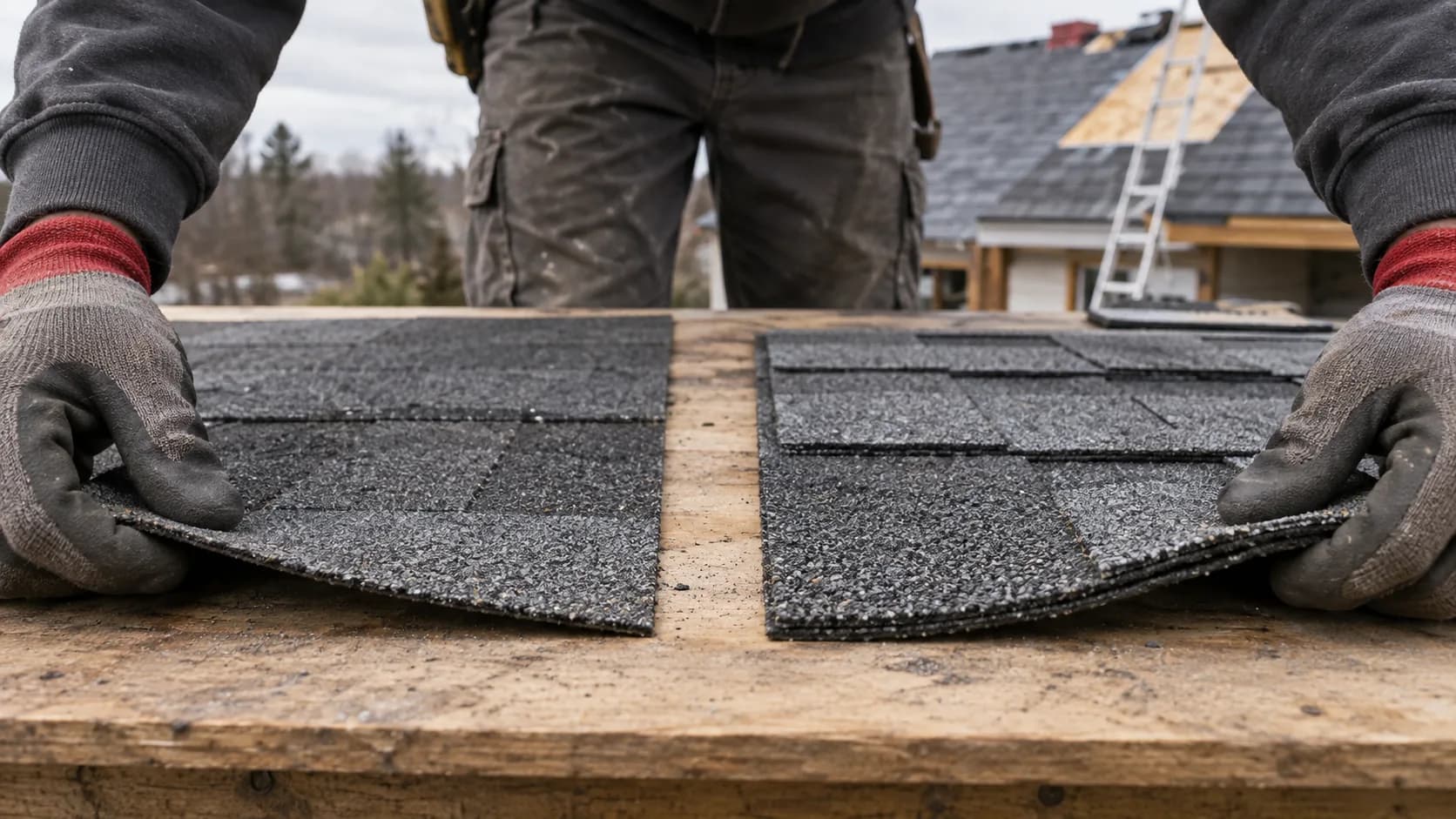
3-Tab vs. Architectural Shingles: Cost and Quote Comparison
Compare 3-tab and architectural asphalt shingles by installed price, wind rating, warranty, roof details, and the line items that make two bids differ.
Read guide
Black Streaks on Your Roof? Check the Warranty Before You Pay a Cleaner
Dark streaks running down asphalt shingles are almost always algae, not damage. Here's how to tell it from moss, who may pay to clean it, and why it's never a reason to re-roof.
Read guide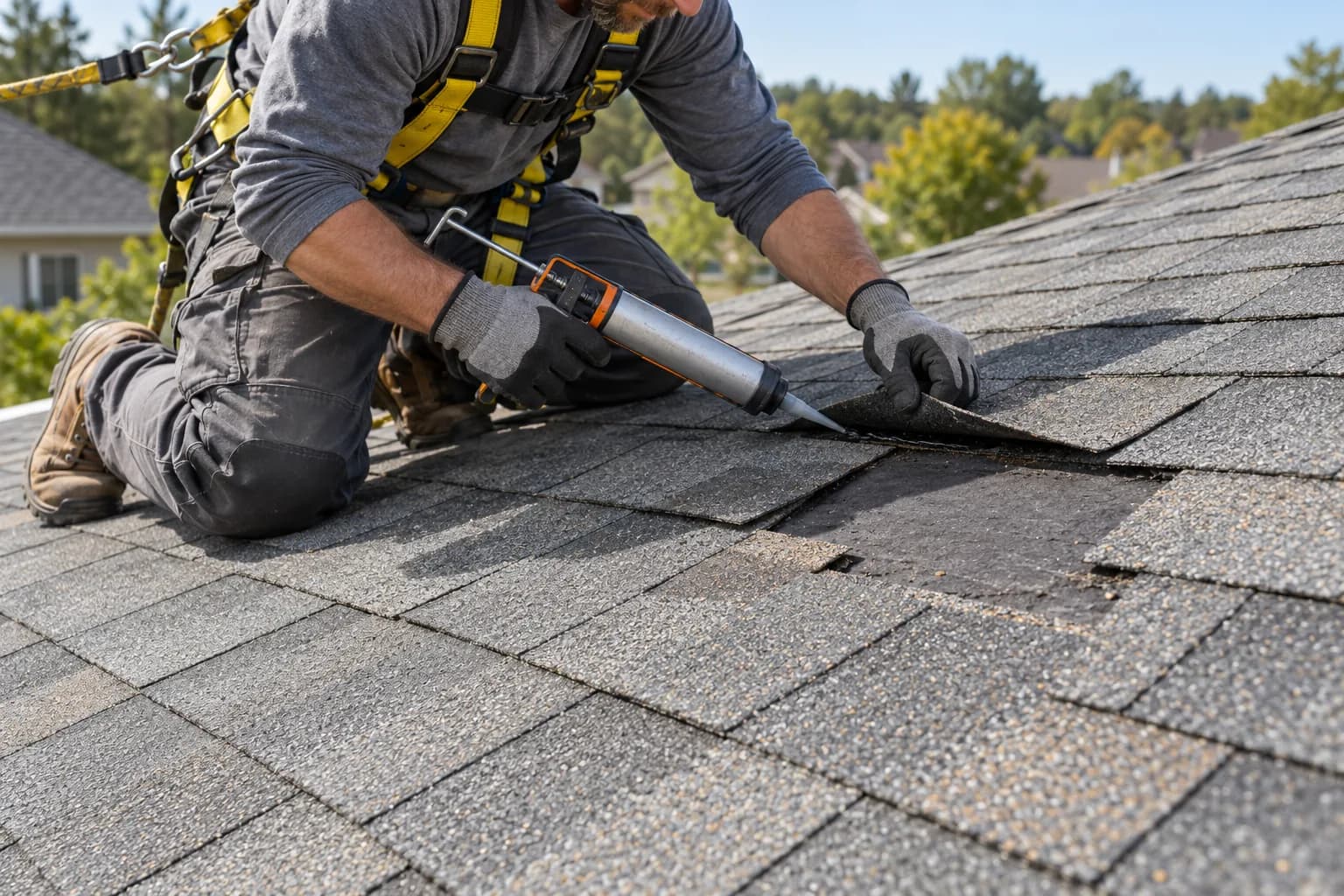
Shingles Blown Off in a Windstorm? Count the Lifted Tabs, Not the Missing Ones
The shingle on your lawn is the cheap part of wind damage. The broken sealant bonds still on the roof decide whether you need a patch, a slope, or a new roof.
Read guide